
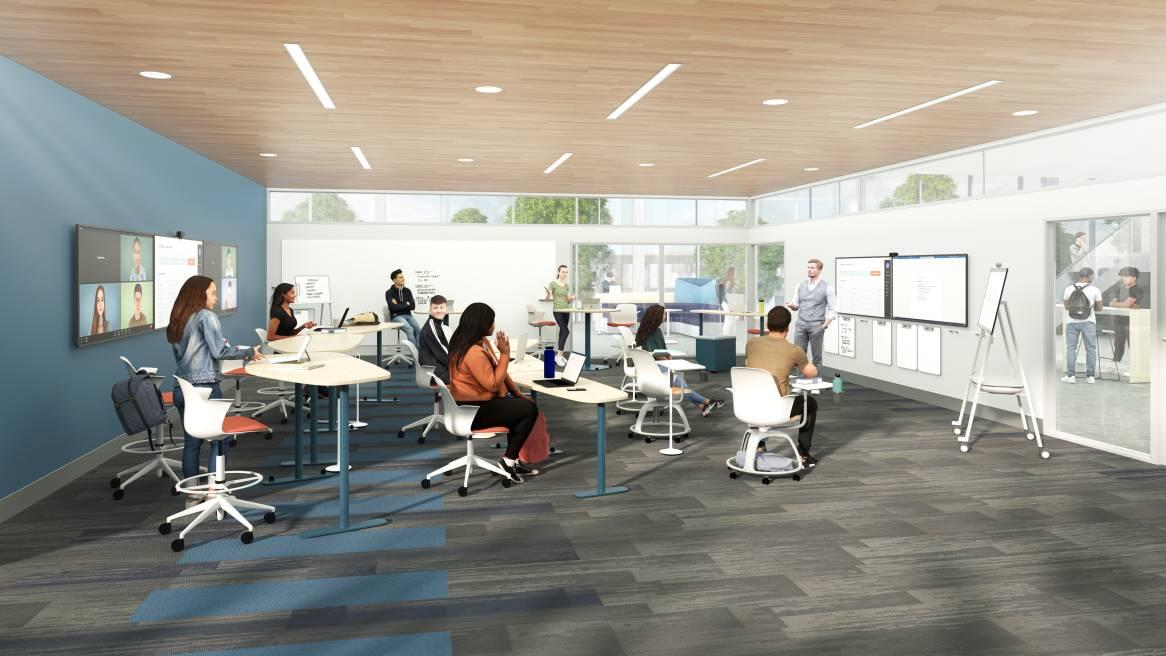
Designing Flexible Hybrid Classrooms: Key Strategies for Modern Learning Success
The educational landscape is rapidly transforming, driven by technological innovation and evolving learner needs. Hybrid classrooms—which blend face-to-face instruction with online learning—have emerged as the gold standard for delivering flexible, engaging, and effective education. but how can schools, colleges, and educators design flexible hybrid classrooms that truly support modern learning success? In this guide, you’ll find actionable strategies, practical tips, and insights that will help build inclusive, adaptive hybrid learning environments designed for today’s students.
Why Flexible Hybrid Classrooms Matter
Creating flexible hybrid classrooms offers a multitude of advantages for students, educators, and institutions alike. Here are key benefits that underline the importance of investing in hybrid learning strategies:
- Personalized Learning Paths: Hybrid classrooms allow students to learn at their own pace and style, enabling greater personalization.
- Increased Accessibility: Flexible models reduce geographical and physical barriers, making education accessible to a wider audience.
- resilience During Disruptions: Hybrid systems can minimize interruptions in learning during events like natural disasters or health crises.
- Enhanced Engagement: Interactive technologies and diverse teaching methods keep students more engaged and motivated.
- Scalable Teaching: Hybrid models can easily accommodate small groups or large cohorts without sacrificing quality.
Key Strategies for Designing Flexible hybrid Classrooms
Embracing the right strategies is essential to creating engaging,inclusive,and effective hybrid classrooms. Below are top considerations and best practices.
1. Adopt Student-Centered Learning Approaches
Shift the focus from educator-led lectures to a collaborative,student-driven model. This empowers learners to take charge of their educational journey.
- Incorporate active learning activities, such as discussions, group projects, and peer review sessions.
- Foster independent research and personalized assignments tailored to individual interests and goals.
2. Integrate Robust Educational Technologies
Effective hybrid classrooms rely on seamless integration of technology. Investing in the right digital tools and platforms can transform the learning experience.
- Learning Management Systems (LMS): Use platforms like Moodle, canvas, or Google Classroom to deliver lessons, assessments, resources, and feedback.
- Live Video Conferencing: Enable real-time interactions via Zoom, Microsoft Teams, or similar services.
- Collaborative Tools: Utilize digital whiteboards, chat platforms, and breakout rooms for teamwork and dialog.
- Accessible content: Ensure all materials are compatible with assistive technologies and mobile devices.
3. Design Adaptable Physical and Virtual Spaces
Adaptability is not just about technology—it’s about the learning surroundings. Prioritize adaptable layouts and resources:
- Flexible Furniture: Invest in movable desks and modular seating to support a variety of instructional formats.
- Optimized Acoustics and Lighting: Ensure quality audio and video for both in-person and virtual learners.
- Safety and Accessibility: Plan for social distancing, ventilation, and ADA compliance to support diverse needs.
- tech Infrastructure: Install reliable Wi-Fi, projectors, cameras, speakers, and recording equipment.
4. Provide Professional Advancement for Educators
Continuous training is essential for teachers to keep pace with hybrid learning technologies and methodologies. Offer workshops and support on topics like:
- Blended instructional design
- Technology integration in hybrid settings
- Effective online assessment strategies
- Building digital literacy and troubleshooting skills
5. Cultivate a Community of Connection
Social presence is vital in flexible hybrid classrooms. Encourage collaboration and build strong relationships by:
- scheduling regular synchronous sessions for discussion and Q&A
- Using online forums and messaging apps for ongoing engagement
- Pairing students for hybrid mentorship or buddy systems
Practical Tips to Enhance Hybrid Learning Success
- Set Clear Communication Policies: Establish when and how students can reach instructors, and provide clear timelines for feedback.
- Leverage Asynchronous & Synchronous Balance: Combine scheduled live sessions with flexible, self-paced activities.
- Encourage Active Participation: Use polls, quizzes, and real-time feedback to make lessons interactive.
- Monitor and Address Digital Equity: Ensure all students have access to devices, internet, and required software.
- Solicit Student Feedback: Regularly survey learners about their hybrid classroom experiences and adapt accordingly.
Real-World Examples: Hybrid Classroom Success Stories
Case study 1: University Embraces Flipped Learning
A leading university adopted a flipped classroom model in its hybrid courses.Lectures were pre-recorded for online viewing,while classroom time was dedicated to interactive problem-solving and group activities.Student engagement increased by 35%,and assessment scores improved noticeably,particularly among students with diverse learning needs.
Case Study 2: K-12 School Leverages Collaborative tech
A K-12 school district integrated collaborative apps (like Google workspace and Padlet) and provided every student with a tablet.Teachers used asynchronous project work alongside live check-ins,ensuring students could submit projects digitally and participate in both in-person and virtual discussions. Parental involvement and student attendance both rose, with teachers citing better learning outcomes and student satisfaction.
First-Hand Experience: Educator Insights
“Transitioning to a flexible hybrid classroom meant rethinking my teaching approach. It was a learning curve, but with the right tools and lots of student input, my classes have never been more dynamic and inclusive. Students appreciate the adaptability, and I see improved confidence and participation from those who once struggled in traditional settings.”
Conclusion: Building the Future of Learning
As we look to the future, designing flexible hybrid classrooms is no longer just an option—it’s a vital part of delivering modern, relevant education. By embracing student-centered strategies, leveraging technology, and fostering a sense of community, educators can ensure all learners thrive in diverse and dynamic environments.
Start small if needed, iterate with feedback, and remember that creating a triumphant hybrid classroom is a journey—one that rewards students, teachers, and the wider school community. Harness thes key strategies to shape a more connected, adaptable, and effective learning experience for everyone.