
Designing Flexible Hybrid Classrooms: Strategies for Adaptable Learning Environments
In recent years, the landscape of education has undergone a remarkable transformation. Wiht the advent of remote learning and the increasing demand for inclusive, accessible education,
hybrid classrooms have emerged as a powerful solution. A flexible hybrid classroom supports both in-person and online students,fostering collaboration and engagement
regardless of physical boundaries. But how can educators and institutions design these adaptable learning environments for maximum impact? In this extensive guide,
we’ll explore cutting-edge strategies, key benefits, practical tips, and real-world examples that make flexible hybrid classrooms not just possible, but highly effective.
What is a Flexible hybrid Classroom?
A flexible hybrid classroom blends the conventional in-person learning experience with online participation. This model allows students to attend classes physically, virtually, or a combination of both, depending on their needs. By leveraging technology and innovative instructional design,hybrid learning environments promote accessibility,inclusion,and adaptability in education.
- synchronous learning: Students join in real-time,regardless of location.
- Asynchronous content: Learning materials are accessible anytime, facilitating self-paced study.
- Collaborative platforms: Tools encourage peer-to-peer interaction and global classroom experiences.
Benefits of Flexible Hybrid Classrooms
Integrating flexibility into classroom design offers numerous advantages for students, educators, and institutions alike. Here are some key benefits of adaptable learning environments:
- Inclusivity & Accessibility: Students can participate from any location, accommodating different needs and circumstances.
- Enhanced Engagement: Dynamic tools and blended experiences keep learners motivated and interactive.
- Resilience Against disruption: Ensures educational continuity during crises like pandemics or natural disasters.
- Personalized Learning: Flexibility allows for differentiated instruction and caters to diverse learning styles.
- Cost-Efficiency: Institutions can optimize space and resources by reducing physical constraints.
Core Strategies for Designing Adaptable Hybrid Learning Environments
Successfully designing a flexible hybrid classroom requires a blend of pedagogical planning, technology integration, and adaptable space design. Below are proven strategies for creating a thriving hybrid learning environment:
1. Rethink Physical and Virtual Classroom Space
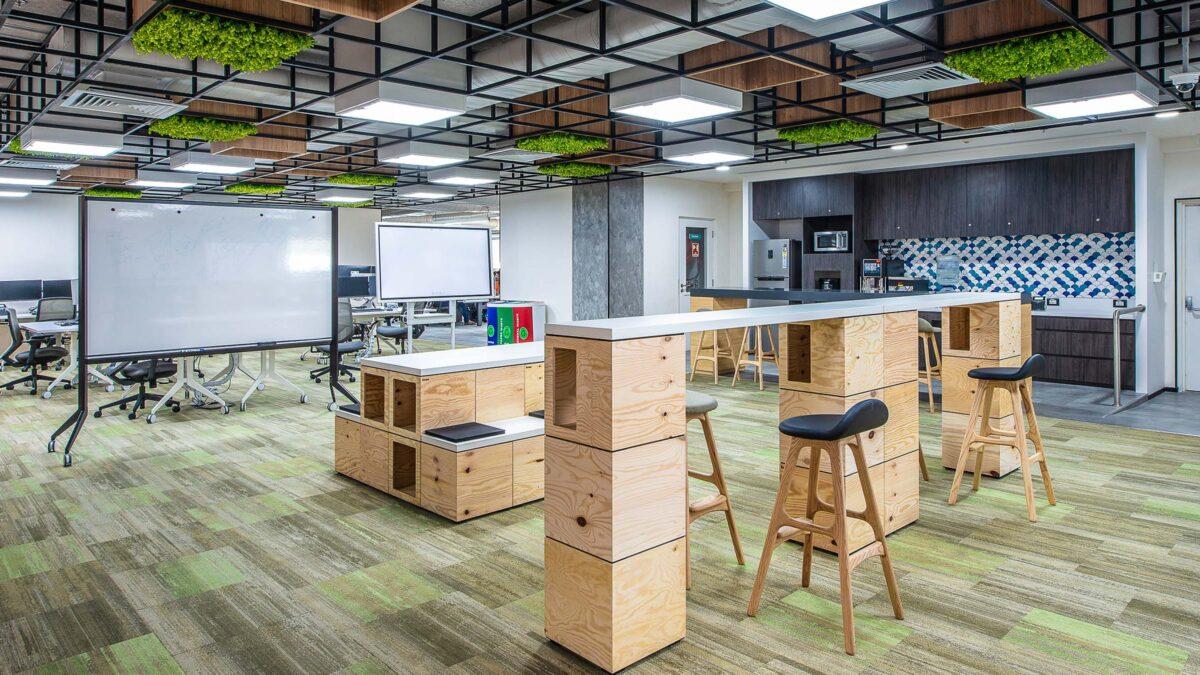
- movable Furniture: Use modular chairs, tables, and whiteboards to accommodate different group sizes and learning activities.
- Technology Integration: Equip classrooms with high-quality audio-visual equipment, cameras, microphones, and interactive smartboards.
- Flexible Layouts: Design spaces that can easily transition between lecture, discussion, and collaborative modes—both online and on-campus.
- Accessible Design: Ensure that both physical and digital elements are fully accessible to students with disabilities.
2. Leverage Innovative Educational Technology
- Learning Management Systems (LMS): Popular platforms like Moodle,canvas,and Google Classroom streamline content delivery and track student progress.
- Video Conferencing Tools: Zoom, microsoft Teams, and Google Meet facilitate live participation for remote students.
- Collaboration Software: Use tools such as Padlet, Slack, or Miro for group projects and real-time brainstorming sessions.
3. Hybrid Teaching Best Practices
- Active Learning Techniques: Incorporate group work, discussions, polls, and interactive quizzes.
- Flexible Assessments: offer both online and traditional evaluation options, such as digital portfolios, project-based learning, and open-book exams.
- Consistent Communication: Use class websites, announcements, and regular check-ins to keep all students informed.
- Universal Design for Learning (UDL): apply UDL principles to support various learning preferences and provide multiple means of engagement and expression.
4. Build a Community of Learners
- Icebreakers & Social Activities: Blend online and in-person socialization to build connections.
- Peer Mentoring Programs: Pair students in different locations for support and collaboration.
- Responsive Feedback: Create channels for anonymous feedback to adapt teaching practices and address student concerns promptly.
Practical Tips for Educators: Making hybrid Classrooms Work
Implementing flexible hybrid classrooms doesn’t have to be overwhelming. Here are practical tips educators can apply promptly:
- Invest in Professional Growth:
- Attend workshops or online courses on digital pedagogy and hybrid teaching strategies.
- Share prosperous practices through faculty learning communities.
- Develop Clear Policies & Expectations:
- Outline participation guidelines for both onsite and online learners.
- Clarify assessment formats and due dates to minimize confusion.
- regularly Assess Technology Needs:
- Survey students about their tech access and digital literacy.
- Partner with IT to provide loaner devices, hotspots, or troubleshooting support.
- Foster Interactive Participation:
- Alternate between group work,Q&A sessions,and independent assignments.
- Use breakout rooms and discussion boards to foster community.
- Continuously Gather Feedback:
- Seek student input to refine hybrid learning design and address pain points rapidly.
Case Study: Building Adaptable hybrid Classrooms in Practice
Let’s consider the example of Greenstone University, a mid-sized institution that transitioned to a flexible hybrid model. facing pandemic-related disruptions, they transformed 30% of their classrooms into hybrid-ready spaces.
- installed high-definition webcams, microphones, and interactive whiteboards.
- Converted fixed seating to modular, movable furniture for easy reconfiguration.
- Adopted Canvas LMS for seamless content sharing, attendance, and discussions.
- Launched faculty training programs focused on hybrid pedagogy and digital engagement tools.
- Added virtual office hours and peer tutoring sessions.
Results after the first academic year:
- Student engagement rose by 27%.
- Dropout rates decreased by 11%.
- Faculty satisfaction improved significantly.
this experience highlights that,with the right investments and strategies,hybrid classrooms can transform both teaching and learning for the better.
First-Hand Experience: A Teacher’s Perspective
Ms. Priya Patel, a high school science teacher, shares her insights:
“Designing my flexible hybrid classroom was a game-changer. I rearranged desks, installed a camera, and paid closer attention to virtual students. my lessons became more interactive, and attendance skyrocketed. Students appreciated the flexibility, and I enjoyed experimenting with new teaching tools. The best part? Both shy and outgoing students found ways to participate and excel.”
Conclusion: The Future of Learning is Flexible
As education continues to evolve, designing flexible hybrid classrooms stands out as a vital strategy for meeting the diverse needs of today’s learners. With adaptable technology, inclusive pedagogy, and a focus on engagement, hybrid classrooms empower students and educators alike. By embracing these strategies, institutions can future-proof education, ensuring that learning remains accessible, resilient, and impactful for everyone.
Key Takeaways
- Hybrid classrooms blend onsite and online experiences for broader access.
- Technology and space design are crucial for flexibility and engagement.
- Responsive teaching and ongoing feedback drive continuous betterment.
Ready to transform your teaching space? start with one strategy from this guide, and watch your learning environment become more adaptable and impactful than ever before.