
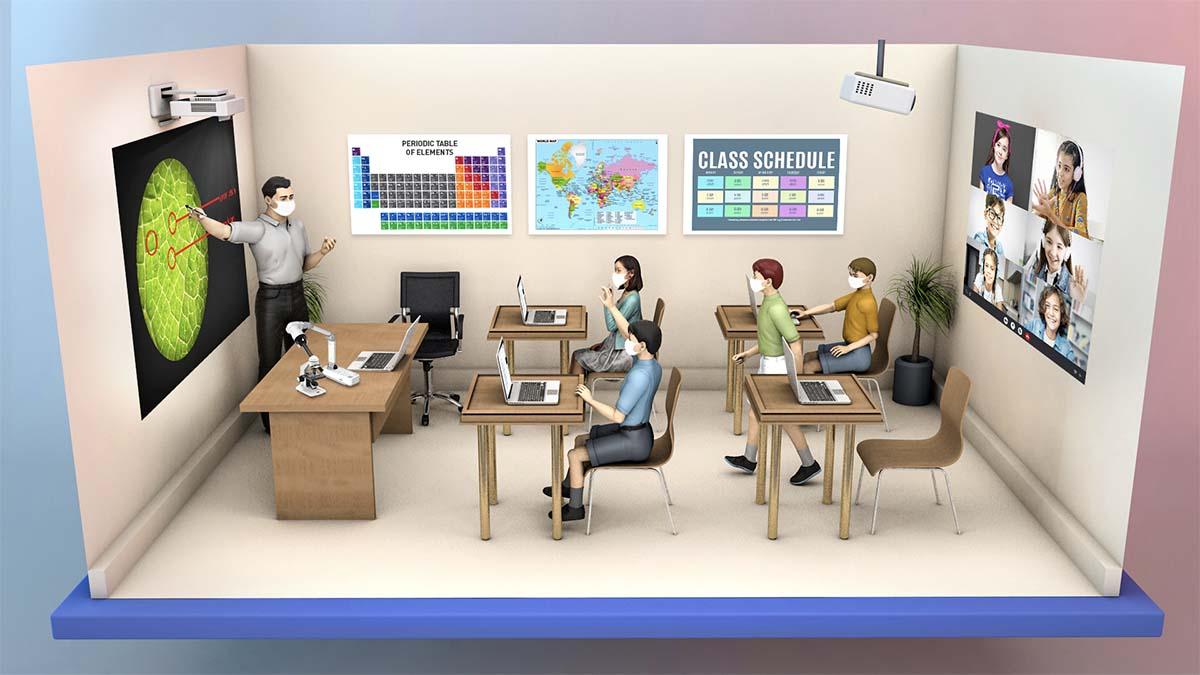
Designing Flexible Hybrid Classrooms: Strategies for Adaptable Learning Spaces
As education rapidly evolves, the need for flexible hybrid classrooms and adaptable learning spaces has never been more urgent. across K-12 schools, universities, and corporate training environments, hybrid learning models have become the norm, combining in-person and remote instruction to meet diverse student needs. But how can institutions effectively design these flexible spaces to maximize student engagement, accessibility, and learning outcomes?
In this complete guide, we’ll dive into the core principles and practical strategies for designing flexible hybrid classrooms. From layout considerations to technological integration and real-world success stories, discover how you can future-proof your learning environment for ongoing educational innovation.
What Are Flexible Hybrid Classrooms?
Flexible hybrid classrooms are learning environments designed to support a variety of teaching and learning activities,whether students participate on-site,remotely,or a mix of both. The goal is to provide seamless access to instruction, resources, and collaboration regardless of student location or learning style.
- Physical Flexibility: Easily reconfigurable furniture and layouts for different activities.
- Technological Adaptability: Integrated AV and communication tools to connect onsite and online learners.
- Pedagogical Versatility: Support for lectures,group work,discussions,and hands-on projects.
Wiht the growing demand for distance learning alongside traditional classroom instruction, hybrid learning spaces are a key component in modern educational design.
Benefits of Adaptable Learning Spaces
why invest in flexible hybrid classrooms? The advantages are substantial, benefiting both educators and students:
- Enhanced Engagement: Physical and digital tools support active participation from all students.
- Improved Accessibility: Students can join classes from anywhere, supporting inclusivity and equal opportunity.
- Future-proofing: Easily adapt your learning environment to new teaching methods, class sizes, or technologies.
- Optimized Space Utilization: Multi-use spaces maximize your real estate and resource investment.
- Boosted Collaboration: Tools and layouts encourage group work whether students are onsite or remote.
Core strategies for Designing Flexible Hybrid Classrooms
Accomplished hybrid learning spaces are the result of thoughtful planning and design. Here are proven strategies for creating adaptive, student-centered environments:
1.Flexible Furniture and Layouts
- Modular Desks & Tables: Use furniture that is easy to move and rearrange for fast transitions between group,individual,or whole-class activities.
- Mobile Whiteboards & Dividers: Encourage small group work and facilitate clear sightlines for all students.
- Zoning: Designate areas for different learning modalities—quiet study, collaboration, and presentation.
2.Integrated Technology
- AV Systems: Equip classrooms with cameras, microphones, and speakers to ensure remote students can see and hear just as well as those in person.
- Interactive Displays: smartboards or touchscreens foster real-time interaction between teachers and students, onsite or remote.
- Connectivity & Power: Ensure ample Wi-Fi coverage and plentiful charging stations throughout the space.
3.Inclusive Design
- Accessible Layouts: Comply with ADA standards and cater to diverse physical and sensory needs.
- Adjustable Lighting & Acoustics: Support concentration and reduce fatigue with well-designed light and sound systems.
4. Professional Advancement
- Train faculty and staff in hybrid teaching strategies and use of new technologies.
- Foster a culture of experimentation and feedback to continually refine classroom design.
5. Flexible Scheduling
- Use digital tools for room booking and scheduling, allowing for spontaneous reconfiguration and maximized space utilization.
practical Tips for Implementing Hybrid Learning Spaces
Ready to get started? Here’s a checklist of actionable steps for creating flexible hybrid classrooms:
- Conduct a needs assessment to understand teaching practices, student preferences, and infrastructural limitations.
- Start small: Pilot with one classroom or program and scale up as you learn what works best.
- Get feedback from students and educators regularly to identify practical improvements.
- Invest for durability—choose quality, modular furniture and reliable AV solutions that stand up to frequent reconfiguration.
- Ensure robust IT support so that technology enhances rather than hinders the learning experience.
- Promote flexibility in policy—allow educators to adjust layouts, schedules, and teaching methods as needed.
Case Studies: Real-World Examples of Adaptable Learning Spaces
Case Study 1: University Collaborative Learning Center
A leading university in the Midwest transformed its aging lecture halls into flexible hybrid classrooms by introducing modular seating, multiple digital displays, and a high-quality sound system.Faculty observed a 40% increase in student participation and a 25% betterment in group project outcomes, especially for mixed-modality cohorts.
Case Study 2: K-12 School District’s Hybrid Integration
After the COVID-19 pandemic, a K-12 school district adopted hybrid learning by reconfiguring classrooms with movable partitions and interactive touchscreens. Teachers reported greater ease in managing both in-person and remote students, and parents appreciated the seamless transition in case of illness or weather-related closures.
Case Study 3: Corporate Training Innovation
A global consulting firm shifted its internal training to hybrid spaces by deploying rolling desks, “bring your own device” (BYOD) support, and cloud-collaboration platforms. As a result, attendance and completion rates soared, with employees citing improved engagement and knowledge retention.
First-Hand Experience: Educator’s Perspective
“Before redesigning my classroom, I struggled to keep remote students engaged alongside those in-person. Since integrating flexible seating and easy-to-use video conferencing tools, participation has skyrocketed, and students say they feel equally involved regardless of location.”
– Alex Jordan, High School Science Teacher
Conclusion: Future-Proof your Learning with Flexible Hybrid Classrooms
As educational paradigms continue to shift, embracing flexible hybrid classroom design is a strategic move for any institution aiming to foster engagement, equity, and adaptability. By focusing on adaptable physical layouts, integrated technology, professional development, and ongoing feedback, you can create hybrid learning environments that empower all learners—no matter where or how they connect.
Start with a single classroom or pilot program,and let firsthand experience guide your journey toward truly adaptable learning spaces. The future of learning is flexible—make sure your classrooms are, too.