
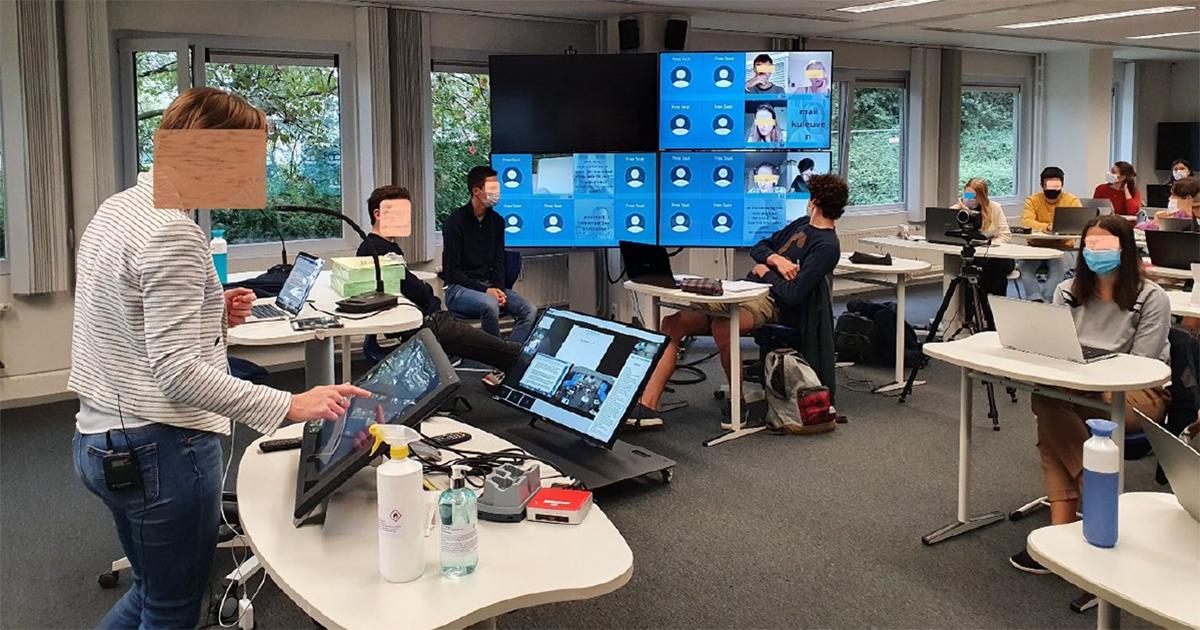
Designing Flexible Hybrid Classrooms: Strategies for Adaptive Learning Environments
The landscape of education is rapidly evolving, with hybrid classrooms at the forefront of this change. As educational institutions move towards flexible, technology-driven approaches, designing adaptive learning environments has become crucial for student engagement and accomplished outcomes. In this article, we delve into the essential strategies for creating flexible hybrid classrooms, discuss their benefits, share practical design tips, and highlight real-world examples of adaptive learning in action.
What Are Flexible Hybrid Classrooms?
Flexible hybrid classrooms are learning environments that blend in-person and online instruction, allowing students and educators to transition seamlessly between both modes. These spaces are designed to be highly adaptive, supporting diverse teaching methods and varied student needs.
- Physical & Digital Integration: The integration of digital tools with physical classroom settings.
- Adaptive Layouts: Furniture and technology can be rearranged to support collaboration or self-reliant study.
- Student-Centered Instruction: Learning experiences tailored to individual student preferences and circumstances.
- Multi-modal Access: Students participate synchronously or asynchronously, onsite or remotely.
Benefits of Adaptive learning Environments
Designing flexible hybrid classrooms offers multiple advantages for schools, teachers, and students:
- Increased Accessibility: Students can attend classes irrespective of location or schedule constraints.
- Enhanced Engagement: Interactive technologies foster participation, collaboration, and creativity.
- Personalized Learning: Adaptive systems provide customized content and pacing to match individual learning styles.
- resilience & Continuity: Schools can maintain instructional flow during disruptions (e.g., health crises or weather events).
- Resource Optimization: Efficient use of resources, with technology reducing redundancy and maximizing reach.
Key Strategies for Designing Flexible Hybrid Classrooms
To create a dynamic and adaptive learning habitat, consider these practical strategies:
1. Invest in Robust Digital Infrastructure
- ensure reliable Wi-Fi connectivity throughout the classroom.
- Select cloud-based learning management systems (LMS) (such as Moodle, Canvas, or Google classroom) to streamline content delivery and assessment.
- Leverage video conferencing tools (Zoom, Microsoft Teams) for real-time interaction.
2. utilize Flexible Furniture and Layouts
- Choose lightweight, movable desks and chairs to accommodate different teaching styles, from group work to lectures.
- Include writable surfaces (whiteboards,glass panels) for brainstorming and interactive learning.
- Designate collaborative zones and quiet study spaces within the same room.
3. Integrate Adaptive Technologies
- Use AI-powered adaptive learning platforms to analyze student progress and adjust content accordingly.
- Deploy interactive displays, tablets, or smartboards for hands-on engagement.
- Encourage the use of student devices (BYOD policies) for increased accessibility and participation.
4. Support Synchronous and asynchronous Learning
- Record live sessions for students who cannot join in real-time.
- Provide discussion boards and forums for ongoing collaboration.
- Offer a mix of self-paced assignments and scheduled interactions.
5.Prioritize Teacher Training and Support
- Facilitate ongoing professional progress focused on hybrid pedagogy and digital skills.
- Establish peer mentoring networks so educators can share tips and solutions.
- Encourage experimentation and feedback to refine teaching strategies.
Best Practices for Adaptive Learning Environments
- Engage in Regular feedback: Collect input from students and teachers about what works, and adjust practices accordingly.
- Promote Active Learning: Use polls, quizzes, and interactive tasks to maintain student interest in both hybrid and online formats.
- Maintain Flexibility: Adapt schedules, assignments, and classroom layouts to meet evolving needs.
- Foster a Sense of Community: Bridge the gap between remote and in-person students through group activities and consistent communication.
- Monitor Well-being: Incorporate social-emotional learning tools and check in frequently with learners to ensure their holistic growth.
Case Study: hybrid Learning at Springfield High School
Springfield High School redesigned its classrooms to incorporate smart technology and adaptable furniture, allowing for swift transitions between group projects, traditional lectures, and virtual lessons.
- Tools Used: Google Classroom, Zoom, and modular desks.
- Outcomes: Student engagement scores increased by 25%, absenteeism dropped, and both teachers and students reported higher satisfaction with learning experiences.
- Key Takeaway: Flexibility in both physical space and instructional format was critical to their successful implementation of hybrid learning.
First-hand Experience: Insights from an Educator
“Transitioning to a flexible hybrid classroom has transformed how I teach. Being able to split my class for collaborative work while facilitating remote learners together has empowered all my students. The key was embracing adaptability—not being afraid to try new layouts and technologies and asking for student feedback every step of the way.” — Sarah Johnson, 8th Grade Teacher
Tips for Implementing Flexible Hybrid Classroom Design
- Start with a pilot program—test new layouts or technologies in one classroom before scaling up.
- Choose multi-use furniture to make rearrangement fast and convenient.
- Ensure all students have access to necessary technology; provide loaner devices or Wi-Fi hotspots as needed.
- Design physical and digital spaces that are intuitive and easy to navigate for everyone involved.
- Communicate regularly with stakeholders (students, parents, faculty) to keep everyone informed and engaged.
Conclusion: The Future of Adaptive Hybrid Classrooms
As schools continue to navigate a world that values both flexibility and connectivity,designing adaptive hybrid classrooms remains essential. By leveraging technology, investing in flexible layouts, and prioritizing the needs of both educators and learners, institutions can create truly resilient and engaging educational environments. The strategies and best practices outlined in this article provide a solid foundation for those ready to embrace the future of learning—one that supports everyone, everywhere, at any time.
For more insights on hybrid learning and adaptive classroom design,stay tuned to our blog,where we explore technology-driven educational trends and share actionable resources for modern educators.