
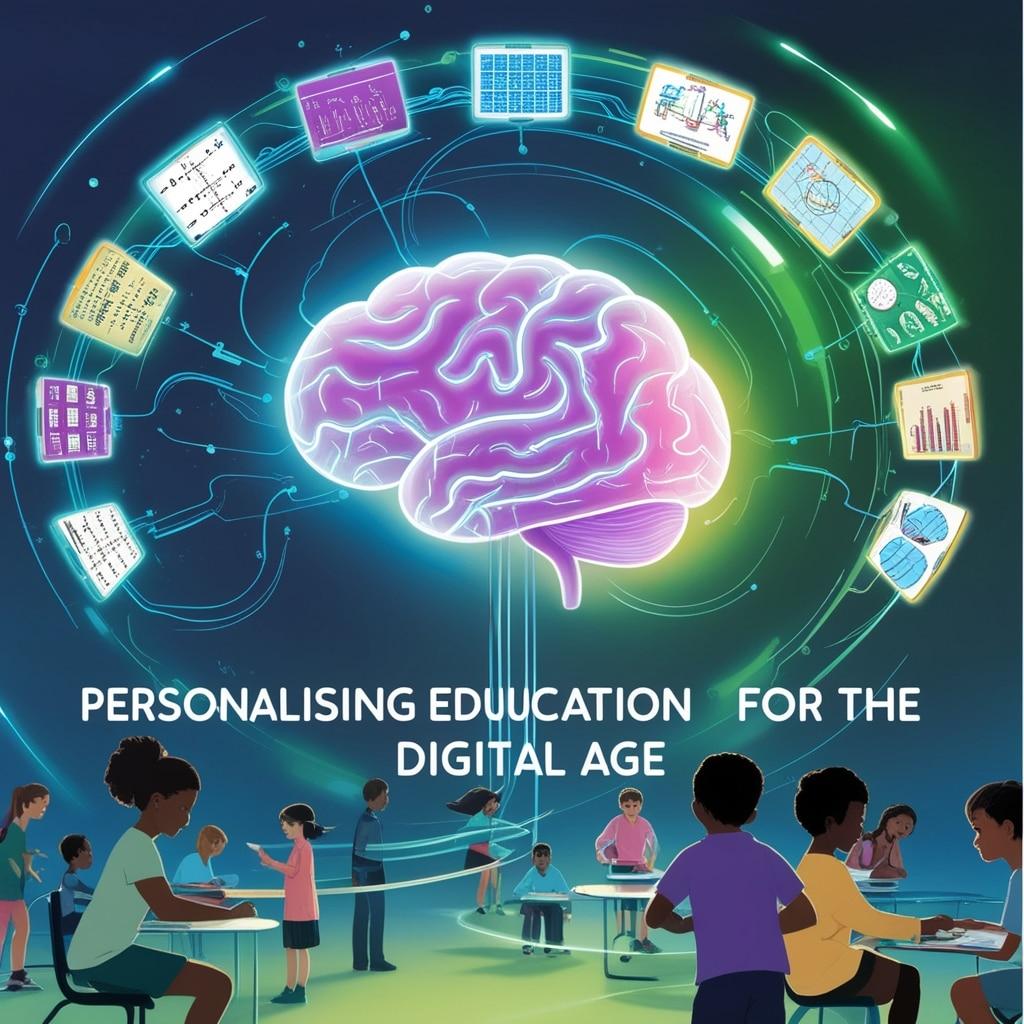
Designing Flexible Hybrid Classrooms: Strategies for Adaptive Learning Spaces
In an era where educational landscapes are rapidly evolving, the concept of flexible hybrid classrooms has emerged as a cornerstone in fostering adaptive, engaging, and inclusive learning environments. As educators and institutions seek to bridge the gap between in-person and remote learning, designing adaptive learning spaces becomes essential. this comprehensive guide will walk you through actionable strategies, key benefits, and inspiring examples to help you successfully create flexible hybrid classrooms that cater to diverse student needs.
Table of Contents
- Introduction to Flexible Hybrid Classrooms
- Key Benefits of Adaptive Learning Spaces
- Strategies for Designing Flexible Hybrid Classrooms
- Practical tips for Implementation
- Case Studies: Hybrid Classrooms in action
- Conclusion: Embracing the Future of Learning
Introduction to Flexible Hybrid Classrooms
the demand for hybrid learning classrooms has grown exponentially, driven by technological advancements and the need for accessible, personalized education. A flexible hybrid classroom is a dynamic space where physical and digital learning methods blend seamlessly, allowing students to participate both onsite and remotely. At the core, these adaptive learning spaces are designed for optimal engagement, inclusivity, and adaptability, empowering both educators and learners to thrive in any circumstance.
Key Benefits of Adaptive Learning Spaces
Designing flexible hybrid classrooms goes beyond simply placing webcams in a room. The thoughtful integration of adaptive learning spaces offers a wealth of benefits:
- Enhanced Engagement: Interactive tools and modular furniture promote active learning,keeping students motivated whether they’re at home or in class.
- Personalized learning: Adaptive technologies cater to individual learning styles and paces, ensuring every student receives the support they need.
- Scalability and Accessibility: Hybrid spaces allow institutions to accommodate fluctuating class sizes and meet accessibility requirements for all learners.
- Support for Collaboration: Blended use of virtual and physical resources fosters teamwork and resource sharing among students and faculty.
- Future-Proofing Education: Flexible hybrid layouts are built to adapt to new educational models, institutional policies, and technological advancements.
Strategies for Designing Flexible Hybrid Classrooms
To create adaptive learning spaces that support hybrid instruction, educators and institutions should focus on the following essential strategies:
1. Rethink Classroom Layout and Furniture
- Mobile Furniture: Use lightweight, easily movable desks and chairs that can be rearranged to suit group work, lectures, or self-reliant study.
- Zoned Learning Areas: Create distinct zones for presentations, group discussions, and quiet study. Designated tech zones can host interactive displays and collaboration stations.
- Flexible lighting: Incorporate adjustable lighting options to support different activities and reduce eye strain, especially during extended screen use.
2. Integrate Advanced Educational Technology
- Interactive Whiteboards & Displays: Equip rooms with touch-enabled displays and smartboards that allow sharing and annotation from both local and remote participants.
- Robust Video Conferencing: Install high-quality cameras and audio systems to ensure remote learners are truly part of the classroom, not just observers.
- cloud-Based Learning Platforms: Adopt platforms such as Google Classroom or Microsoft Teams for seamless communication, resource sharing, and collaborative note-taking.
- Wireless Presenting: Eliminate physical connectivity barriers by allowing wireless sharing from any device, enabling a true bring-your-own-device (BYOD) environment.
3.Foster a Culture of Inclusivity and Collaboration
- Universal Access: Ensure all learning materials and real-time instruction are accessible to students with varying needs, including those with disabilities.
- Microphone and Camera Equity: Distribute microphones or provide pucks to groups, allowing in-room voices to be heard by remote students.
- Equal Participation Policies: Use classroom management tools to encourage balanced contributions from both co-located and distance learners.
4. Focus on Training and Support
- instructor Training: Invest in ongoing professional growth for faculty, focusing on hybrid pedagogy, technical troubleshooting, and digital assessment practices.
- Student Orientation: Provide guides and workshops to help students navigate the new tools and layouts confidently.
- On-Demand Technical Support: Establish rapid-response tech support channels for faculty and students alike.
5. Build Adaptability into the Infrastructure
- Modular Design: choose fixtures and tech that can be easily updated or reconfigured as needs evolve, avoiding costly renovations down the road.
- Flexible Power and Connectivity: Supply ample power outlets, charging stations, and high-speed wi-Fi throughout the classroom.
- Environmental Controls: Integrate adjustable heating, air conditioning, and ventilation, as comfort influences attention and participation.
Practical Tips for Implementation
Making the transition to flexible hybrid classrooms can seem daunting, but these practical tips can make the process smooth and effective:
- Start Small: Pilot hybrid setups in select classrooms before scaling campus-wide. Gather feedback from faculty and students for iterative betterment.
- Leverage multi-Use Furniture: Opt for stacking chairs, folding tables, and whiteboard partitions that can serve multiple purposes as classes or group sizes change.
- Promote Digital Literacy: Encourage all users—educators and learners—to become familiar with digital platforms and online collaboration tools early on.
- Create Tech-Frist Policies: Set clear guidelines for device use, video participation, and digital etiquette to foster a respectful and engaged hybrid culture.
- Facilitate Ongoing Assessment: Regularly measure learning outcomes and engagement across formats to fine-tune both the physical space and instructional approach.
Case Studies: hybrid Classrooms in Action
To illustrate the power and potential of adaptive hybrid spaces, let’s explore a couple of real-world examples:
Case Study 1: The University of California, Irvine
UC Irvine transformed customary lecture halls into flexible hybrid classrooms, featuring modular seating, 360-degree cameras, and personal device charging. Faculty noted a marked increase in student engagement and collaboration, credited to the seamless integration of online learners via interactive screens and group pods.
Case Study 2: Springfield Community College
After investing in cloud-enabled whiteboards and movable partitions, Springfield Community College reported enhanced accessibility—especially for students with mobility challenges.Remote participants could easily view board content,ask live questions,and participate in breakout sessions without feeling left out.
First-Hand Experience: An Educator’s Perspective
“As a teacher in a flexible hybrid classroom, I noticed critically important improvements in student communication and adaptability. With movable desks and instant tech support, group work became spontaneous and inclusive, and I was able to tailor lessons on the fly based on student feedback.”
Conclusion: Embracing the Future of Learning
Designing flexible hybrid classrooms is more than a response to unpredictable times—it’s a path toward creating richer, more inclusive, and effective learning environments for everyone. By investing in adaptive learning spaces, embracing new technology, and prioritizing both physical and digital equity, institutions can meet the evolving needs of today’s learners and set a strong foundation for the future of education.
Ready to unlock the benefits of flexible hybrid classrooms at your institution? Start small, experiment boldly, and centre your design on the universal goal of student success. For continued insights on designing adaptive learning spaces, stay tuned to our latest articles and resources.