
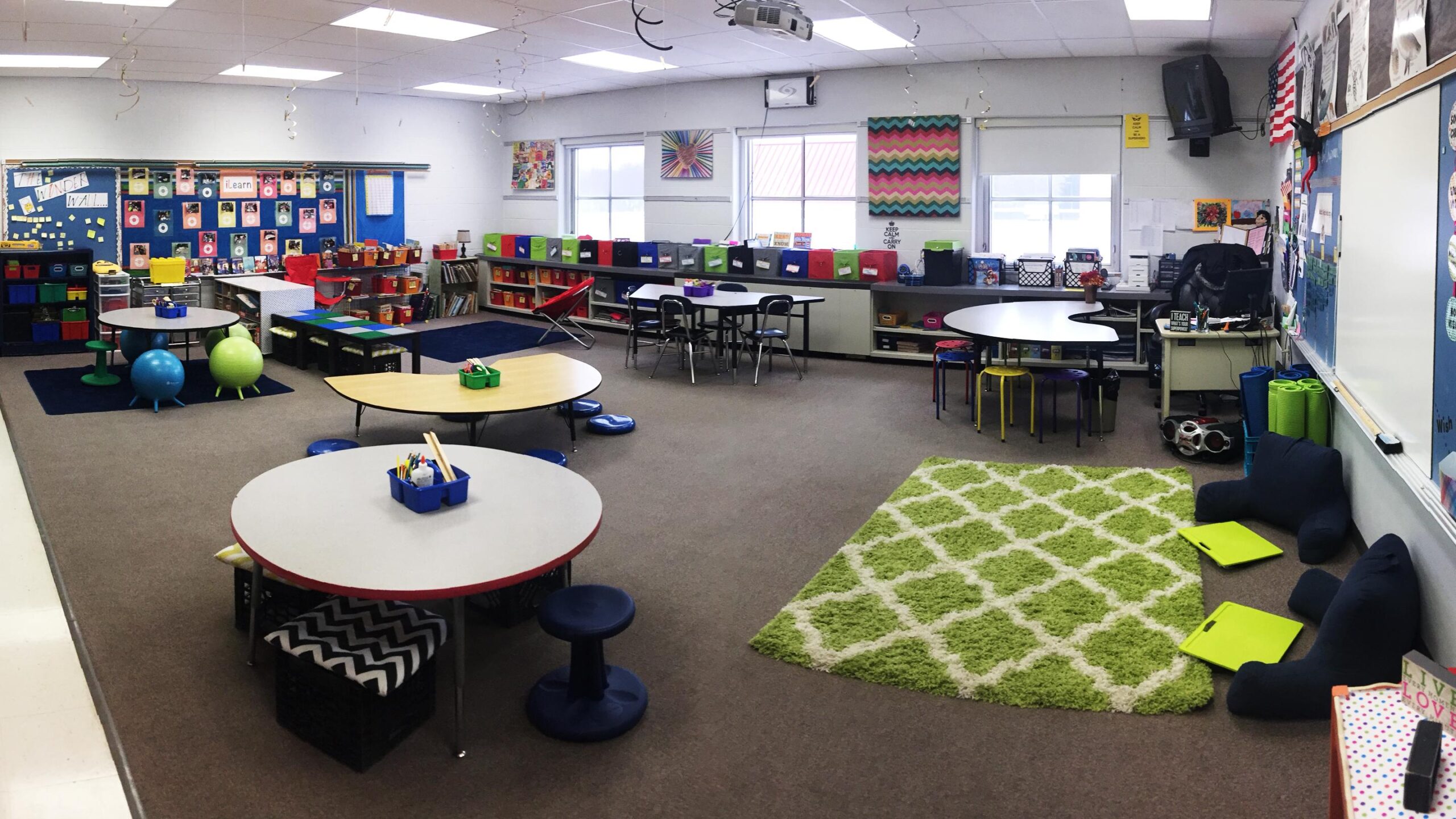
Designing Flexible Hybrid Classrooms: Strategies for Modern,Adaptive Learning Spaces
In today’s fast-evolving educational landscape,flexible hybrid classrooms have become essential for providing dynamic and adaptive learning environments. As technology shapes the future of education, both educators and institutions must rethink how physical and virtual spaces blend to support learner success. Whether you’re an educator, administrator, or designer, understanding the effective strategies for designing flexible hybrid classrooms will ensure your learning spaces are equipped to meet modern demands.
Introduction to Flexible Hybrid classrooms
The rise of hybrid learning environments—where in-person and remote learners participate concurrently—has transformed how we think about classroom design. Flexible hybrid classrooms prioritize adaptability,collaboration,and technological integration,creating spaces that foster inclusivity and engagement. In this article, we’ll walk you through proven strategies for designing adaptive learning spaces, explore the key benefits, and provide actionable tips based on real-world case studies.
Why Modern Learning Spaces Need Flexibility
Traditional classroom layouts are no longer sufficient for today’s diverse learning needs. Here are some reasons why flexible hybrid classrooms are key to educational success:
- Accommodate diverse learning styles: Not all students learn the same way. Adaptive spaces provide varied environments,supporting visual,auditory,and kinesthetic learners.
- Foster collaboration: Hybrid setups encourage seamless group work between in-person and online participants.
- Resilient learning environments: Flexibility ensures teaching and learning can continue uninterrupted, even during disruptions like natural disasters or pandemics.
- Future-proof investments: Schools can adapt quickly to changing technologies and pedagogical trends, maximizing long-term value.
Core Strategies for Designing Flexible Hybrid Classrooms
Crafting an effective hybrid classroom requires thoughtful planning, from furniture and layout to technology and instruction. below are some actionable strategies that foster adaptive, student-centered hybrid learning spaces.
1. Invest in Modular Furniture and Layouts
- Moveable Furniture: Choose desks, tables, and chairs that can be easily rearranged to support both autonomous and group activities.
- Zoning: Define collaborative, individual, and presentation zones to accommodate various teaching methods within a single room.
- Flexible Storage: Mobile storage solutions keep essential materials accessible and maintain a clutter-free surroundings.
2. Integrate Smart Classroom Technology
- Audio-Visual Solutions: Interactive whiteboards, multiple screens, and high-quality microphones ensure clear communication for all participants.
- High-Speed connectivity: robust Wi-Fi and reliable power outlets are critical for supporting multiple connected devices.
- Unified Learning Platforms: Choose software that supports synchronous engagement and seamless resource sharing between in-person and remote learners.
3. Rethink Acoustics and Lighting
- Acoustic Treatments: Carpets, ceiling panels, and sound baffles minimize audio distractions and ensure clear communication.
- Natural and Adjustable Lighting: Large windows, diffused overhead lights, and dimmable lamps help reduce eye strain and boost focus.
4. Prioritize Accessibility and Inclusivity
- Global design for Learning (UDL): Incorporate principles that address physical, sensory, and cognitive diversities.
- Assistive Technologies: Tools like text-to-speech, captions, and screen readers cater to diverse learning needs.
- Accessible Layouts: Ensure clear paths and adjustable seating accommodate mobility aids and varying user preferences.
5. Support Continuous professional Development
- Ongoing Training: Provide teachers with regular opportunities to learn about new technologies and pedagogical strategies.
- Collaborative Learning Communities: Foster peer support and exchange of best practices among educators.
Key Benefits of Flexible Hybrid Classrooms
- Enhanced Student Engagement: Students can learn at their own pace and collaborate, regardless of geographic location.
- Increased Teacher Efficiency: Adaptive tools automate administrative tasks and provide real-time feedback, allowing educators to focus on teaching.
- Improved learning Outcomes: Access to resources in multiple formats and the ability to personalize instruction lead to better academic results.
- Greater Equity and Inclusion: Hybrid models level the playing field for students who might otherwise face barriers to participation.
Practical Tips for Implementing Adaptive Hybrid classrooms
Fostering a truly effective hybrid environment goes beyond physical design.Consider the following tips for successful implementation:
- Conduct a Needs Assessment: Survey students, teachers, and IT staff to identify key priorities and challenges.
- Start Small, Scale Gradually: Pilot flexible classroom models in select rooms before undertaking full-scale rollouts.
- Solicit and Act on Feedback: Regularly gather input from users to refine setups and protocols.
- Promote Digital Citizenship: Encourage responsible, ethical use of technology among students and staff.
- Ensure Ongoing Maintainance: Schedule regular equipment checks and provide IT support to minimize disruptions.
Case Studies: Successful Adaptive Learning Spaces
To illustrate the potential of flexible hybrid classrooms, consider these real-world examples:
Leading University’s High-Tech Hybrid Lecture Halls
A prominent university in North America retrofitted its lecture halls with modular seating, wireless microphones, and multiple cameras. The integration of cloud-based collaboration platforms allowed professors to facilitate discussions between in-person and virtual students, boosting participation rates by over 30%.
K–12 School District’s Inclusive classroom Transformation
A district in Europe adopted UDL principles to create flexible learning pods, equipped with adjustable furniture and assistive technologies. test scores improved, and students with disabilities reported higher satisfaction due to better accessibility and personalized support.
First-Hand experience: Teachers’ Voices
Educators consistently highlight the impact of flexible hybrid classrooms on student engagement. One teacher commented,
“Having the freedom to move desks and use video conferencing tools lets me connect with every student, whether thay’re at home or here in the room. It’s a game-changer for collaboration and creativity.”
Another remarked,
“At first, it was a learning curve, but with ongoing training and support, the hybrid model has empowered me to reach students in ways traditional setups never allowed.”
Best Practices for Hybrid Classroom Design
- Balance technology and pedagogy: don’t let gadgets drive instruction.Instead, use technology to amplify proven teaching strategies.
- Maintain flexibility: Design spaces that can adjust rapidly to evolving curricular and technological needs.
- Build in redundancy: Have backup systems like spare devices and analog resources to minimize technical downtime.
- Foster culture change: Encourage stakeholders to embrace experimentation, feedback, and co-creation of adaptive solutions.
Conclusion: The Future of School is Flexible
As the boundaries between physical and virtual classrooms continue to blur, designing flexible hybrid classrooms is no longer just an option—it’s a necessity for delivering equitable, engaging, and future-ready education. By embracing modular design, integrating smart technology, prioritizing inclusivity, and supporting ongoing professional development, schools and universities can create adaptive learning spaces that empower both teachers and students.
Ready to take the leap? Begin by assessing your needs, piloting flexible solutions, and cultivating a culture of innovation. The result: a resilient learning environment that thrives in any scenario—today and tomorrow.
Flexible hybrid classrooms,adaptive learning spaces,hybrid classroom design,modern classroom strategies,flexible classroom furniture,educational technology integration,hybrid teaching best practices,inclusive learning environments,teacher professional development hybrid learning,school future-proof design.