
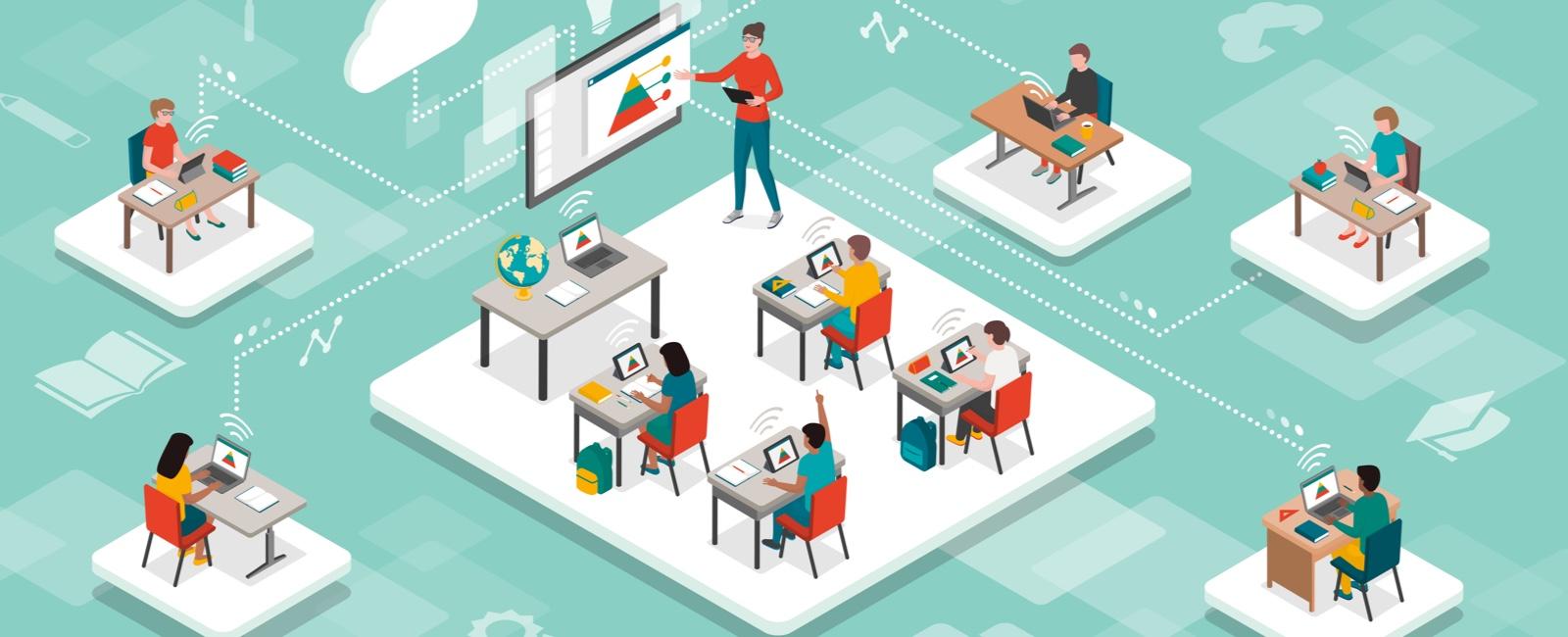
Designing Flexible Hybrid Classrooms: Strategies for modern Learning Environments
The modern educational landscape is rapidly evolving. With the growing demand for flexible learning environments, the concept of hybrid classrooms has gained significant traction. Hybrid learning blends the best of in-person and online education, enabling educators to reach and engage students regardless of their location. But successfully designing flexible hybrid classrooms requires more than just placing a webcam in the back of the room. in this article, we’ll explore proven strategies for creating adaptable hybrid classrooms, uncover the key benefits, delve into real-world case studies, and provide actionable tips to ensure your learning environment empowers every student to thrive.
What is a Flexible Hybrid Classroom?
A flexible hybrid classroom is a dynamic learning environment where instruction is delivered simultaneously to both in-person and remote learners. Leveraging digital tools, interactive technology, and adaptable teaching methods, hybrid classrooms offer students multiple pathways for participation, collaboration, and knowledge acquisition.
- Simultaneous Access: Students can join lessons either physically or virtually in real time.
- Personalized Learning: Learners move at their own pace using a mix of self-guided resources and live instruction.
- Adaptable Design: Classroom layouts and course structures can shift to meet diverse needs.
Benefits of Hybrid Classrooms in Modern Education
Implementing a flexible hybrid classroom design brings a host of advantages for educators and students alike:
- Expanded Accessibility: Students with health challenges, scheduling conflicts, or transportation barriers can participate fully.
- greater Inclusivity: Hybrid models support different learning preferences and needs, including neurodiversity and language proficiency.
- Improved Engagement: Interactive technologies and digital collaboration tools drive student motivation and active participation.
- Education Continuity: Learning is uninterrupted during unexpected closures or disruptions, such as weather events or pandemics.
- Enhanced Technological Literacy: Both educators and students develop vital digital skills for the future workforce.
key Strategies for Designing Flexible Hybrid Classrooms
To create successful modern learning environments, it’s crucial to focus on both the physical and digital aspects of your hybrid classroom design. Here are essential strategies to guide your approach:
1. Classroom Layout and Furniture
- modular Furniture: Invest in mobile desks,chairs,and tables to support rapid reconfiguration for group work or individualized learning.
- zones for Collaboration and Focus: Define different spaces for brainstorming, presentations, and quiet work—use colors, rugs, or partitions.
- Clear Sightlines: Position displays and cameras to ensure all students, whether remote or in-person, can see and be seen clearly.
2. Investment in Hybrid Learning Technology
- High-Quality Audio/visual Equipment: Consider ceiling microphones, omnidirectional cameras, and interactive whiteboards for seamless communication.
- Cloud-Based Collaboration Tools: Use platforms like Zoom, Microsoft teams, or Google Meet, and integrate apps for real-time quizzes, forums, or whiteboarding.
- Learning Management Systems (LMS): Centralize resources, assignment submissions, and feedback to support asynchronous as well as live learning.
3. Instructional Design and Pedagogy
- flipped or Blended Learning: Deliver direct instruction online and use in-person or live sessions for deep dives, hands-on activities, or discussions.
- Universal Design for Learning (UDL) Principles: Provide multiple means of representation, engagement, and expression to accommodate different learning styles.
- Interactive Teaching: Incorporate live polls, breakout rooms, digital annotation, and peer collaboration opportunities for all students.
4. versatility and Scalability
- Scalable Technology: Choose solutions that can grow with your needs or integrate new features as pedagogy evolves.
- Adapt Policy and Schedules: Allow for hybrid attendance,rotating groups,or asynchronous participation to support work/life balance and wellness.
practical Tips for Effective Hybrid Learning Environments
- Test the Technology: Run regular simulations before class to check microphones, cameras, and software functionality.
- Establish clear Communication Channels: Use instant messaging, announcement boards, and check-ins to keep every student in the loop.
- Train educators and IT staff: invest in ongoing professional development for effective hybrid teaching, tech troubleshooting, and digital classroom management.
- Gather and Use Feedback: Conduct anonymous surveys with students and educators to identify challenges and refine classroom practices.
- Prioritize Inclusion and Accessibility: Caption videos, provide transcripts, use screen-reader-friendly resources, and design activities for different abilities.
Real-World Case Studies: Hybrid Classroom success Stories
University of Michigan’s Flex Classroom Model
The University of Michigan successfully piloted “Flex Studio Classrooms” featuring modular seating, 360-degree cameras, and smart microphones.Feedback from students revealed a remarkable 30% increase in engagement and participation—particularly for those who previously felt uncomfortable speaking in large lecture halls.
K-12 School District: Blended Learning Transformation
An urban K-12 district transitioned to hybrid teaching by outfitting classrooms with interactive touchscreens and cloud-based homework submission.Consequently, student attendance improved, and teachers reported a 50% decrease in late assignments due to new digital reminders and flexible submission windows.
Insights from Educators: First-Hand Hybrid Teaching Experiences
“Switching to a flexible hybrid classroom made me rethink my approach—from simply lecturing to building a community where every student’s voice is heard. The combination of physical presence and digital connectivity truly levels the playing field.”
— Emily Vasquez, High School English Teacher
“The key challenge is ensuring all students feel equally seen and supported. Technology isn’t a magic fix, but with the right tools and mindset, hybrid classrooms can foster creativity and critical thinking like never before.”
— Dr. Raj Patel, university Professor
Conclusion: Designing the Future of Learning
Flexible hybrid classrooms represent a paradigm shift in modern education, uniting physical and digital worlds to foster richer, more inclusive learning experiences. By focusing on innovative classroom design, investing in robust technology, and empowering educators with agile teaching strategies, schools and universities can build hybrid environments that enhance engagement, equity, and educational outcomes.
The journey to effective hybrid learning is ongoing. Stay curious, solicit feedback, and be ready to adapt. By embracing flexibility today, we lay the foundation for resilient, future-ready classrooms that meet the evolving needs of learners everywhere.