
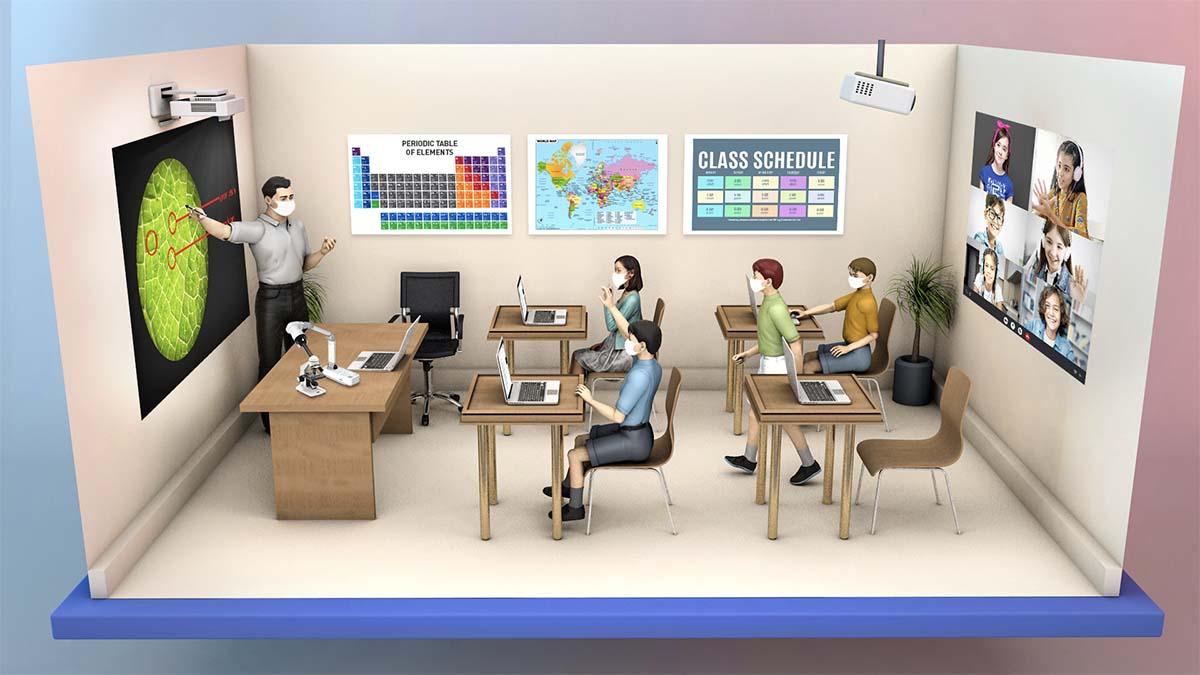
Designing Flexible Hybrid Classrooms: Strategies for Modern Learning Success
In an era characterized by rapid change and digital transformation, the education sector is embracing new methods of teaching and learning. Flexible hybrid classrooms have emerged as a smart solution to meet the diverse needs of modern learners. By blending in-person and online education, these adaptive environments foster student engagement, accommodate various learning styles, and ensure continuity of education no matter the circumstances. In this article, we’ll explore extensive strategies for designing triumphant flexible hybrid classrooms, share real-world case studies, and offer actionable tips to enhance the modern learning experience.
What Are Flexible Hybrid Classrooms?
Flexible hybrid classrooms—sometimes called “blended learning classrooms” or “hyflex classrooms”—are learning environments that seamlessly combine face-to-face and online instruction. Students can choose to participate in person, remotely, or switch between modes as needed. This dynamic approach empowers educators and learners with flexibility, resilience, and real-time adaptability.
- Face-to-Face Learning: Customary classroom experiences for direct interaction.
- Remote Learning: Online participation via live-streaming or asynchronous resources.
- hybrid Participation: Mixing both formats for maximum accessibility and personalization.
Benefits of Flexible Hybrid Classrooms
- inclusivity: Supports students with varying needs and circumstances.
- accessibility: Removes geographical and physical barriers, making learning available anywhere.
- Scalability: Enables schools to accommodate larger or fluctuating cohorts.
- Continuity: Minimizes disruptions during crises (e.g., pandemics, natural disasters).
- Personalized Learning: Allows students to learn at their preferred pace and style.
- Enhanced Engagement: Leverages digital tools to foster interactivity.
Strategies for Designing Modern Hybrid Classrooms
Creating effective flexible hybrid classrooms goes beyond simply setting up webcams and laptops. It requires thoughtful planning, investment in technology, adaptable physical spaces, and innovative pedagogy. Here are proven strategies to ensure hybrid learning success:
1. Invest in Robust Technology
- Audio-Visual equipment: Install high-quality cameras, microphones, and speakers to capture lessons clearly for both in-person and remote students.
- Interactive Whiteboards: Use smartboards or digital displays for real-time collaboration and content sharing.
- Student Devices: Encourage BYOD (Bring Your Own Device) or provide laptops/tablets to bridge the digital divide.
- Reliable connectivity: Ensure high-speed internet access for uninterrupted streaming and downloads.
2. Rethink Classroom Layouts
- Flexible Furniture: Use movable desks and chairs to support social distancing and small group work.
- Tech Zones: Create areas equipped with charging stations and screens for individual and group activities.
- Clear Sightlines: Arrange seating so all students—onsite and online—can see the instructor and presentation materials.
- Acoustic Solutions: Incorporate soft furnishings and soundproof panels to reduce noise.
3. Foster Engaging and Inclusive Pedagogy
- Active Learning: Incorporate discussions, polls, group projects, and breakout rooms using platforms like Zoom or Microsoft teams.
- Global design for Learning (UDL): Offer materials in multiple formats (videos,texts,interactive simulations) to cater to different needs.
- Regular Feedback: Use quizzes, surveys, and real-time assessments to monitor understanding and adapt teaching accordingly.
- Flexible Assessment: Allow students to choose between digital submissions, oral presentations, or in-person projects.
4. Prioritize Training and Support
- Professional Development: Ongoing workshops for educators to master technology and hybrid pedagogy.
- Tech Support: Dedicated teams to resolve technical issues quickly for smooth learning experiences.
- Student Orientation: Guide students on using LMS platforms,online etiquette,and accessibility resources.
Practical Tips for Hybrid Classroom Success
- Start Small: Pilot hybrid models with a few classes before scaling school-wide.
- Test Technology: Practice live-streams and check equipment before each session.
- Set Expectations: Clearly communicate participation guidelines, submission formats, and attendance policies.
- Foster community: Use icebreakers and group chats to keep online learners connected with in-person peers.
- Solicit Feedback: Regularly survey students for input on hybrid classroom effectiveness.
- Leverage Learning Analytics: Use insights from digital platforms to track engagement and performance.
Real-World Case Studies of Flexible Hybrid Classrooms
Case Study 1: University of Central florida
The University of Central Florida implemented a “HyFlex” model, allowing students to choose how they attend each class session. The result? Higher retention rates, improved accessibility for working students, and increased enrollment by offering more flexible scheduling options.
Case Study 2: K-12 District Adaptation
In a Midwestern U.S. school district, hybrid classrooms were designed with rotating in-person attendance and constant live-streaming for those at home. Teachers received extra tech training, and each classroom was equipped with wide-angle cameras and digital whiteboards. Teachers reported higher participation and fewer missed assignments compared to fully remote learning.
First-Hand Experience: A Teacher’s Outlook
“Transitioning to a flexible hybrid classroom transformed my teaching. Once I overcame the learning curve with new technologies, I noticed that both remote and in-class students were more engaged. I can track participation more easily and tailor assignments for different learning preferences. It’s more work at first, but the payoff in student success makes it worthwhile.”
— Sara Kim, High School Science Teacher
WordPress CSS Styling Ideas for Flexible Hybrid Classrooms Articles
To create a professional and visually appealing layout for your educational blog or school website, consider these simple WordPress CSS tips:
.article-header { font-size: 2.4rem; font-weight: bold; margin-bottom: 1.5rem; }.case-study { background: #e6f0fa; border-left: 5px solid #3d70b2; padding: 1rem; margin-top: 1rem; margin-bottom: 1rem; }blockquote { font-style: italic; background: #f7f7f7; border-left: 4px solid #3d70b2; }ul { margin-left: 2rem; }h2, h3 { color: #3d70b2; }
These enhancements not only improve readability but also provide a polished brand identity for content centered on hybrid learning strategies and innovative classroom design.
Conclusion: Embrace the Future of Learning
Designing flexible hybrid classrooms is no longer a futuristic goal—itS a necessity for today’s ever-evolving educational landscape. By strategically combining technology, flexible design, and adaptable teaching methods, educators can create vibrant environments that cater to every learner. Whether you’re an administrator planning your next campus renovation or a teacher eager to try hybrid models, the future of education is in your hands. start small, keep learning, and watch your students thrive in a classroom without boundaries.