
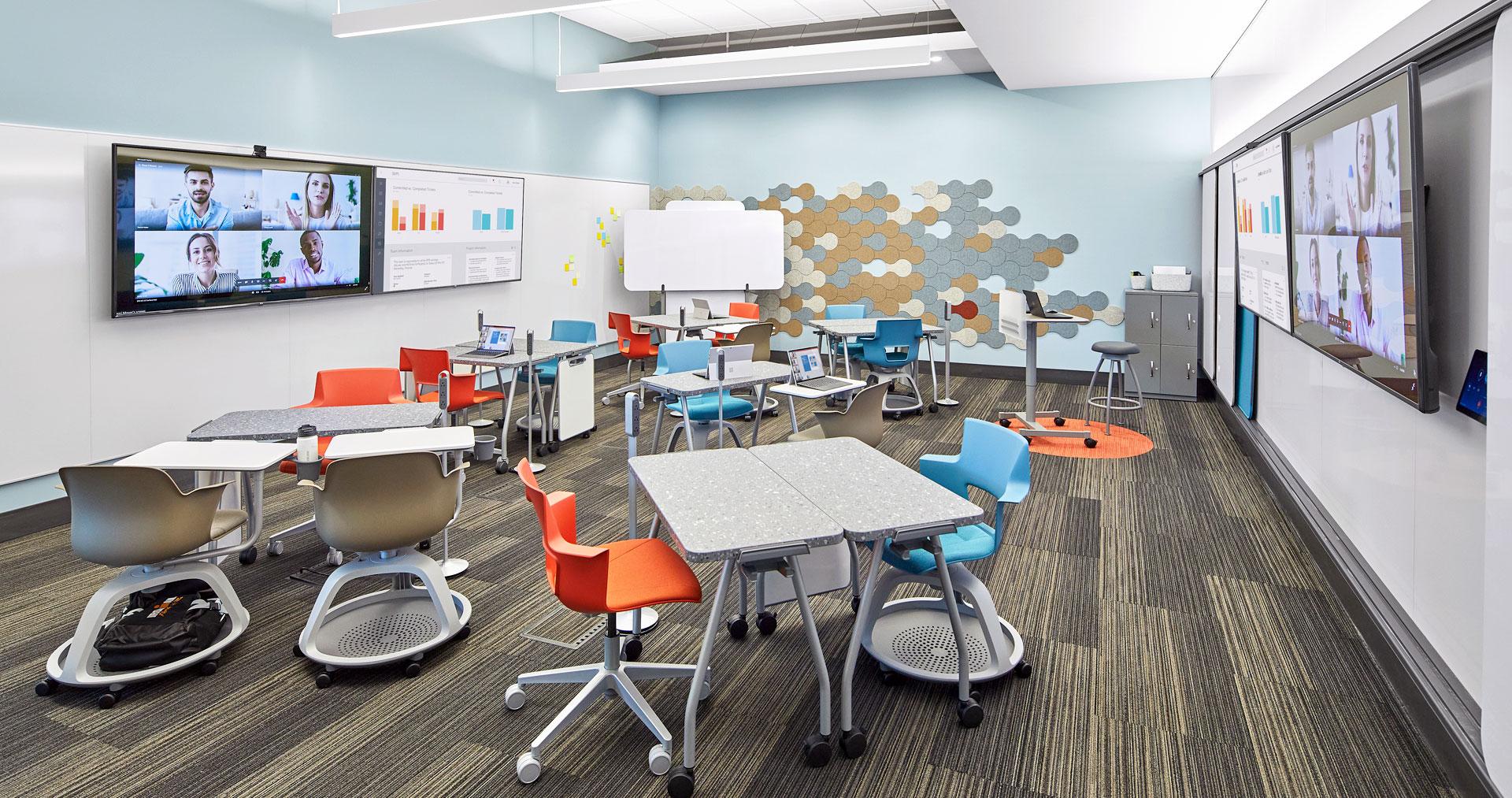
Designing Hybrid Classrooms: Flexible Strategies for Modern Learning Spaces
As education continues to evolve, hybrid classrooms have emerged as a forward-thinking solution that bridges the gap between in-person and remote learning. By leveraging technology and innovative spatial design, hybrid learning environments promise flexibility, inclusivity, and enhanced student engagement. This guide explores the essential strategies for designing hybrid classrooms, shares the latest trends, and provides practical tips for transforming traditional spaces into flexible, interactive, and modern learning environments.
What is a Hybrid classroom?
A hybrid classroom seamlessly integrates face-to-face instruction with digital learning.This flexible format allows educators and students to participate in-person, remotely, or through a mix of both, frequently enough in real time. Central to a successful hybrid learning space is the intentional design that supports:
- Technology Integration: Combining in-room devices and online platforms for active collaboration.
- Flexible Furniture: Adaptable seating and workspaces that accommodate diverse teaching methods and group sizes.
- Accessibility: Ensuring all students can engage equally, irrespective of location or learning needs.
Benefits of Hybrid Classroom Design
Investing in well-designed hybrid classrooms yields notable advantages for schools, educators, and learners:
- Flexibility for Students and staff: Learners can choose the education format that best suits their needs, while teachers can adapt instruction to changing circumstances.
- Increased Engagement: Interactive tools and collaborative spaces foster active participation from in-person and remote students alike.
- Expanded Access: Hybrid classrooms break down geographical and physical barriers, making education more inclusive.
- Future-Ready Skills: Emphasizing digital fluency,teamwork,and self-directed learning prepares students for the modern workforce.
- Efficient Space Utilization: Multipurpose designs maximize facility use, supporting various teaching styles and extracurricular activities.
Key elements of Modern Hybrid Learning Spaces
Thoughtful hybrid classroom design encompasses both physical and virtual components to ensure smooth, engaging learning experiences.
1. Advanced Technology Infrastructure
- reliable Internet Connectivity: High-speed Wi-Fi is essential for seamless video streaming and digital collaboration.
- Interactive Whiteboards and Displays: Large touchscreens and digital boards enhance presentations and offer real-time feedback.
- AV Equipment: High-quality microphones, speakers, and cameras ensure clear interaction and visibility for all students.
- Learning Management Systems: Platforms like google Classroom or canvas centralize resources and support blended teaching.
2. Flexible and Adaptable Classroom Layout
- Mobile Furniture: Desks and chairs with wheels allow for rapid reconfiguration to support various activities, from group discussions to individual work.
- Zones for Collaboration: Defined areas for small group work, presentation, and quiet study accommodate diverse learning preferences.
- Clear Sightlines: Arrangement that ensures all students,both onsite and online,can see and hear the instructor with ease.
3. Acoustic and Lighting Solutions
- Acoustic Panels: Reduce background noise and echo, crucial for clear audio during hybrid instruction.
- Adequate Lighting: Adjustable lighting supports video clarity for remote students and reduces eye strain for everyone.
4. Worldwide Design and Accessibility
- Accessible tech Tools: Closed captions, screen readers, and adjustable desks benefit students of all abilities.
- Inclusive Materials: Ensure all learning content can be accessed equally by every student.
Practical Tips for Creating Flexible Hybrid Classrooms
Transitioning to hybrid learning doesn’t need to be overwhelming. Here are actionable steps for educators, administrators, and edtech professionals to create effective hybrid learning spaces:
- Start with a Needs Assessment: gather feedback from staff and students to identify what’s working and what needs advancement in current classroom setups.
- Pilot a Test Environment: Build a prototype hybrid classroom, solicit input, and refine before full-scale rollout.
- invest in Scalable Technology: Choose devices and platforms that can grow with your institution’s needs.
- Embrace continuous Training: Provide regular professional development on hybrid teaching strategies and new tools.
- Create clear Usage Policies: Develop easy-to-follow guidelines for technology use, digital etiquette, and classroom norms.
- Maintain Open Lines of Communication: Establish channels (like chat apps or forums) for ongoing student-teacher and peer-to-peer interaction.
Hybrid Classroom Design: Case Studies and Real-World Examples
Let’s explore a few real-life examples illustrating the impact and versatility of hybrid classrooms:
Case Study 1: University Redesign for Flexible Learning
- Challenge: A mid-sized university faced declining in-person attendance and needed more adaptable learning spaces.
- Solution: Converted lecture halls with modular seating, cloud-connected projectors, and on-demand AV equipment.
- Result: Student engagement scores increased, and faculty reported more effective interactive sessions, both on-campus and online.
Case Study 2: K-12 Hybrid Innovation
- Challenge: An elementary school required safe, collaborative spaces to accommodate both in-person and at-home learners post-pandemic.
- Solution: Installed mobile partitions, wheeled whiteboards, and utilized hybrid conferencing platforms for seamless integration.
- Result: Parent involvement improved through virtual open houses, and student learning outcomes remained consistent across both modalities.
First-Hand Experience: Challenges and Successes
Teachers and students alike have experienced unique challenges—and creative solutions—while embracing hybrid classrooms:
- Maintaining Engagement: Teachers report that interactive polls, breakout sessions, and digital whiteboards help sustain student focus.
- Tech Hiccups: Reliable tech support and pre-class equipment checks mitigate disruptions.
- Building Community: Virtual “social hours” and hybrid group projects foster connections across digital and physical divides.
Frequently Asked Questions (FAQ)
- What is the main goal of hybrid classroom design?
- The aim is to create flexible, inclusive environments that support learning anywhere, at any time, for all students.
- How much dose it cost to set up a hybrid classroom?
- Costs vary depending on scale and technology choices. Start small by upgrading core equipment and furniture before expanding to a full rollout.
- Which learning management systems are best for hybrid classrooms?
- Popular LMS options include Canvas, Google Classroom, and Microsoft Teams, all of which support real-time interaction and resource sharing.
Conclusion: Shaping the Future of Education with Hybrid Classrooms
Designing hybrid classrooms isn’t just a response to current challenges—it’s an investment in the future of education. Modern learning spaces that blend technology, flexibility, and inclusivity open new doors for students and educators. Whether you’re upgrading a single room or transforming an entire institution, these strategies and case studies provide a roadmap for implementing effective, engaging, and future-ready hybrid classrooms.
Start your journey towards designing flexible hybrid learning environments today and experience firsthand how modern classroom design can revolutionize student success in an ever-changing educational landscape.