
Designing Hybrid Classrooms for Flexibility: Essential Strategies for Modern Learning
Introduction: Embracing Flexible Learning Environments
In the rapidly evolving landscape of education, designing hybrid classrooms for flexibility has emerged as a critical strategy for educators and institutions worldwide. Wiht technological advancements and shifting student expectations,the customary classroom is transforming into a dynamic,blended learning environment capable of supporting both in-person and remote learners. This article explores essential strategies for creating modern,flexible hybrid classrooms,highlighting their benefits,practical design tips,and real-world examples of success.
What is a Hybrid Classroom?
A hybrid classroom seamlessly integrates face-to-face instruction with online learning components. It enables students to participate physically in a classroom or remotely via digital platforms, often leveraging real-time collaboration tools, multimedia resources, and adaptive technologies. The hybrid model aims to maximize flexibility in learning,ensuring education remains accessible,inclusive,and responsive to diverse learner needs.
Benefits of Designing Flexible Hybrid Classrooms
- accessibility & Inclusivity: Hybrid environments cater to students irrespective of location, health, or mobility, greatly expanding access to quality education.
- Personalized Learning: Students can learn at their own pace, revisiting recorded lectures or engaging in live discussions as needed.
- Engagement & Interaction: Diverse tools like polls, chat, and breakout rooms foster interactive, collaborative experiences.
- Resilience to Disruption: Hybrid classrooms are less affected by unforeseen disruptions (e.g., pandemics, natural disasters), ensuring learning continuity.
- Resource Optimization: Flexibility in classroom usage optimizes space and teaching resources over time.
Essential Strategies for Modern Hybrid Classroom Design
1. Invest in Flexible Classroom Technology
- Reliable Audio/Visual Systems: Ensure high-quality microphones, speakers, and cameras cover all classroom areas so remote students can participate fully.
- Interactive Displays: Large touchscreens support collaborative work and can be shared with both in-person and online learners.
- Learning management Systems (LMS): Platforms like Canvas, Moodle, or Google Classroom centralize resources, assignments, and interaction.
Tip: Regularly update hardware and software to meet evolving demands and support diverse learning applications.
2. Prioritize Classroom Layout and Space Flexibility
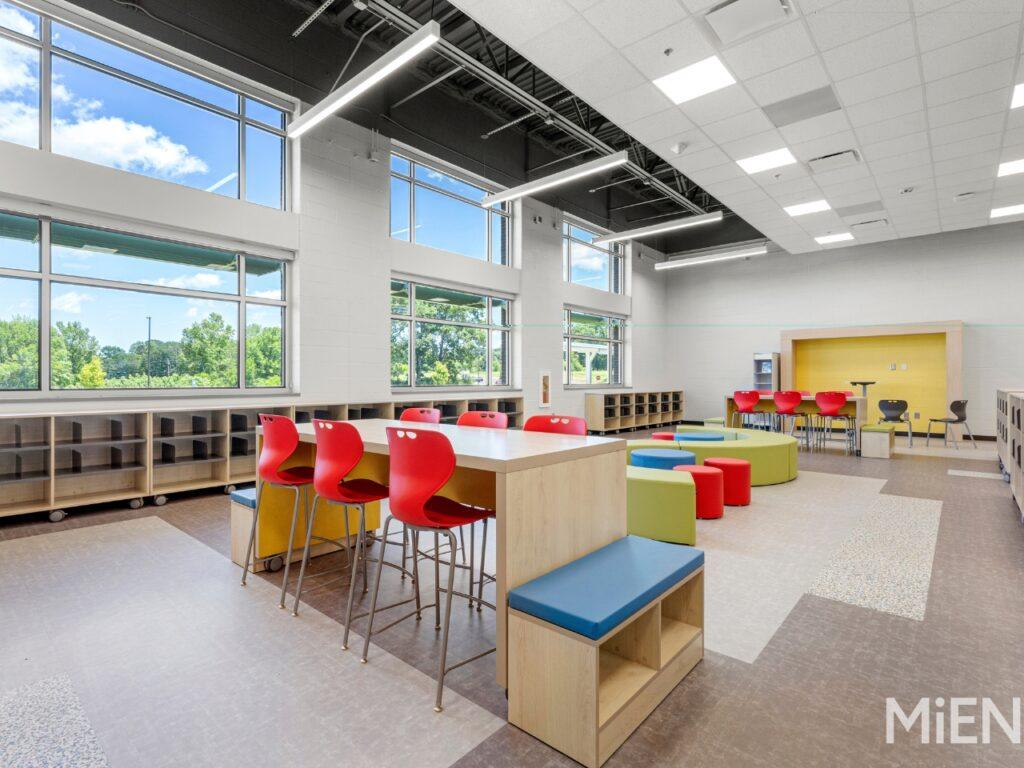
- Use modular desks and chairs for easy reconfiguration to support group work, lecture mode, or individual study.
- Design zones dedicated to different types of learning (e.g., discussion corners, quiet study areas).
- Integrate power outlets and charging stations,supporting device use for all students.
3. Foster an Inclusive Hybrid Classroom Culture
- Establish “one community” by integrating remote and in-person students in discussions, projects, and group activities.
- Encourage peer feedback and use digital collaboration tools (e.g., Padlet, Google Docs) to bridge distance gaps.
- Adopt flexible attendance and participation policies to accommodate asynchronous learning needs.
4. Leverage Data and Feedback for Continuous Betterment
- Use analytics from your LMS to track student engagement and identify gaps or challenges.
- solicit regular feedback from students and educators to refine classroom design and teaching methods.
- Adapt content delivery based on real-time data (e.g., slow down when many students pause videos or ask questions).
5. Support Teachers with Training and Resources
- Offer ongoing professional advancement in hybrid teaching strategies and technology use.
- Facilitate peer mentoring and collaborative planning sessions.
- Provide access to an on-demand tech support team for resolving issues swiftly during class.
Practical Tips for Hybrid Classroom success
- Test All Technology Before Every Session: Technical issues disrupt learning; frequent checks ensure seamless experiences for all students.
- Use Multiple Engagement Channels: Encourage questions via chat, voice, and collaborative boards to empower shy participants and foster engagement.
- Record Sessions When Possible: Allow students to revisit classes or catch up asynchronously without penalty.
- Set Clear expectations: Clearly communicate participation guidelines,schedules,and assessment criteria for both in-person and remote attendees.
- Continuously Adapt: Be flexible and ready to adjust your approach based on evolving student needs and feedback.
Case Studies: Real-World Hybrid Classroom Design
Case 1: Stanford University’s Flexible Learning Spaces
Stanford invested in hybrid learning spaces equipped with 360-degree cameras, wireless projection, and movable furniture. Over 90% of students reported increased engagement and learning satisfaction, particularly in collaborative courses where both remote and in-person students frequently switched roles.
Case 2: Local K-12 District Success Story
A Midwestern school district transitioned to hybrid learning by investing in tablets, updating classroom layouts, and offering robust teacher workshops. Academic performance remained stable despite disruptions, and student attendance rates improved by 12% due to flexible participation options.
Frist-Hand Experience: Teacher’s Outlook
“the ability to reconfigure my classroom and access interactive boards has transformed my teaching. Students who usually miss class due to illness now participate remotely and collaborate with peers just as effectively.”
—Sarah Jenkins,High School Science Teacher
Hybrid Classroom Design Checklist
- Flexible, movable furniture and clear sightlines for all students
- Reliable Wi-fi and robust classroom technology
- Clear, shared digital learning platforms
- Dedicated zones for different learning activities
- Regularly updated policies and feedback channels
- Accessible resources and recorded sessions
- Ongoing staff training and responsive tech support
Conclusion: Shaping the Future of Modern Learning
Designing hybrid classrooms for flexibility is more than a response to recent challenges—it’s a transformative strategy that empowers students and teachers alike.By investing in the right technology, fostering inclusive cultures, and remaining agile, educators can create environments where all learners thrive. As hybrid learning continues to evolve, these essential strategies will help ensure your classrooms remain flexible, resilient, and ready for the future of education.
Ready to reimagine your learning spaces? Start with these principles and build a hybrid classroom that delivers unmatched flexibility and success for every kind of learner.