
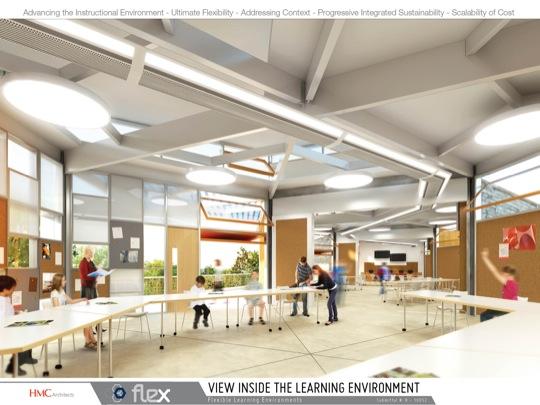
Designing Hybrid Classrooms for Flexibility: innovative Strategies for Adaptive Learning Spaces
As education continues to evolve in the digital age, the traditional classroom model is rapidly giving way to innovative hybrid environments. Designing hybrid classrooms for flexibility is now an essential skill for educators, administrators, and architects alike. By creating adaptive learning spaces that cater to both in-person and remote learners,institutions can future-proof their educational offerings and maximize student engagement. In this article, we’ll explore the latest strategies, practical tips, and real-world examples to help you design classrooms that are ready for any learning scenario.
Why Hybrid Classrooms? the Shift Toward Flexible Learning Spaces
Hybrid classrooms blend traditional face-to-face teaching with online learning, allowing students to participate from anywhere. This model became increasingly popular during the global pandemic, but its benefits have made it a permanent fixture in modern education. Flexible learning spaces are now essential to meeting diverse learning needs and ensuring equitable access to quality education.
- Accessibility: Students can attend classes nonetheless of their location or schedule.
- Personalization: Learning experiences can be tailored to suit individual preferences.
- Collaboration: Technology-rich environments foster better connection and teamwork, even remotely.
- future-readiness: Prepares both students and educators for the evolving landscape of education and work.
Core Elements of Adaptive Learning Spaces
What makes an adaptive learning space truly effective? Leaders in hybrid classroom design focus on these fundamental elements:
- Flexible furniture: Mobile desks, chairs, and writable surfaces that can be easily rearranged for group work, lectures, or quiet study.
- Integrated Technology: High-definition cameras,smart boards,interactive displays,and reliable connectivity to support both in-person and remote participation.
- Acoustics and Lighting: Thoughtful design choices to eliminate distractions, ensuring everyone can see, hear, and participate equally.
- Space zoning: Creating areas for collaboration, presentation, and independent work, all within the same classroom.
Innovative strategies for Designing Hybrid Classrooms for flexibility
Let’s look at some actionable strategies for creating adaptive classrooms that enhance both physical and digital learning experiences:
1. Embrace Modular Classroom Layouts
- Use lightweight, movable furnishings so spaces can be quickly reconfigured for different activities.
- Consider “zones” within the classroom for discussion, solo work, and presentations.
- Foldaway walls or partitions can divide or combine rooms as needed, supporting flexible group sizes.
2. prioritize Seamless Technology Integration
- Equip rooms with video conferencing tools and interactive whiteboards to bridge the gap between in-person and online learners.
- Reliable, high-speed Wi-Fi and ample power outlets ensure that every device functions optimally.
- Use document cameras and digital collaboration platforms (like Google Classroom, Microsoft teams, or Zoom) for real-time facts sharing.
3. Plan for Equity and Accessibility
- Install microphones and speakers throughout the room for inclusive audio coverage.
- Design layouts with clear sightlines, so every participant—onsite or remote—can follow lessons without barriers.
- Choose furniture and tech that are ADA compliant, ensuring accessibility for all students.
4.Leverage Data-Driven Insights
- Track and analyze classroom usage data to continually refine your space layout and technology choices.
- Solicit feedback from students and educators to understand pain points and promote ongoing enhancement.
Benefits of Flexible and Adaptive Hybrid Classrooms
The shift to hybrid learning spaces brings numerous advantages, empowering students and teachers:
- Increased engagement: Adaptive classroom design fosters interactive and participatory lessons.
- Enhanced Collaboration: Integrated tech and flexible seating promote teamwork and networking skills.
- Scalable learning: Easy to accommodate large or small groups, in-person, remote, or a mix of both.
- Efficient Resource Use: Modular furniture and multipurpose areas reduce redundancy and save costs.
- Agility for Changing Needs: Quickly adapt to public health concerns, scheduling shifts, or learner preference changes.
practical Tips for Implementation
moving from concept to reality takes planning and investment. Here are some expert tips to help schools, universities, and organizations design hybrid classrooms for long-term success:
- Start with a Needs Assessment: Identify unique needs—curriculum requirements, class sizes, and technology gaps—before redesigning a space.
- Involve Stakeholders: teachers,IT professionals,students,and even parents should have a voice in shaping the learning surroundings.
- Pilot and Iterate: Test new layouts and technologies with small groups before campus-wide rollout.
- Prioritize training: Ensure all users are familiar with tech tools and flexible classroom protocols.
- prioritize Health and Safety: Maintain strong ventilation, easy-to-clean materials, and touchless options wherever possible.
- Celebrate Fast Wins: Share early successes to build momentum and buy-in for larger projects.
Case Study: A University’s Journey to Adaptive Hybrid Classrooms
Greenfield University began redesigning their classrooms in 2021 after recognizing the need for better flexibility and digital integration. Their approach offers a blueprint for others looking to modernize their learning spaces:
- Every classroom was equipped with interactive displays, ceiling-mounted microphones, and wide-angle cameras for remote participation.
- Movable partition walls allowed one large room to serve as either two separate classrooms or a single collaborative hub.
- Faculty where provided with ongoing professional growth workshops to adapt their teaching styles to hybrid models.
- Student feedback was solicited each semester and directly shaped future iterations of classroom layouts and tech integration.
the result? Higher student engagement, improved course completion rates, and recognition as a leader in adaptive learning space design.
Looking Ahead: The Future of Hybrid Learning Environments
As new technologies emerge—think AR/VR learning, smart sensors, AI-driven personalization, and more—the hybrid classroom will continue to evolve. The key is designing flexible, adaptive learning spaces today that can accommodate the innovations of tomorrow.
Educational research continually highlights that student-centered, tech-empowered classrooms foster better achievement and lifelong skills. By investing in flexibility,schools and campuses lay the foundation for resilient,responsive education.
Conclusion
Designing hybrid classrooms for flexibility is more than just a trend—it’s a necessary shift toward truly adaptive learning spaces that welcome every student, in every scenario. By integrating innovative layout strategies, cutting-edge technology, and evidence-based design principles, educators can provide future-focused environments that support success for all. Begin your conversion today and position your institution at the forefront of educational innovation.