
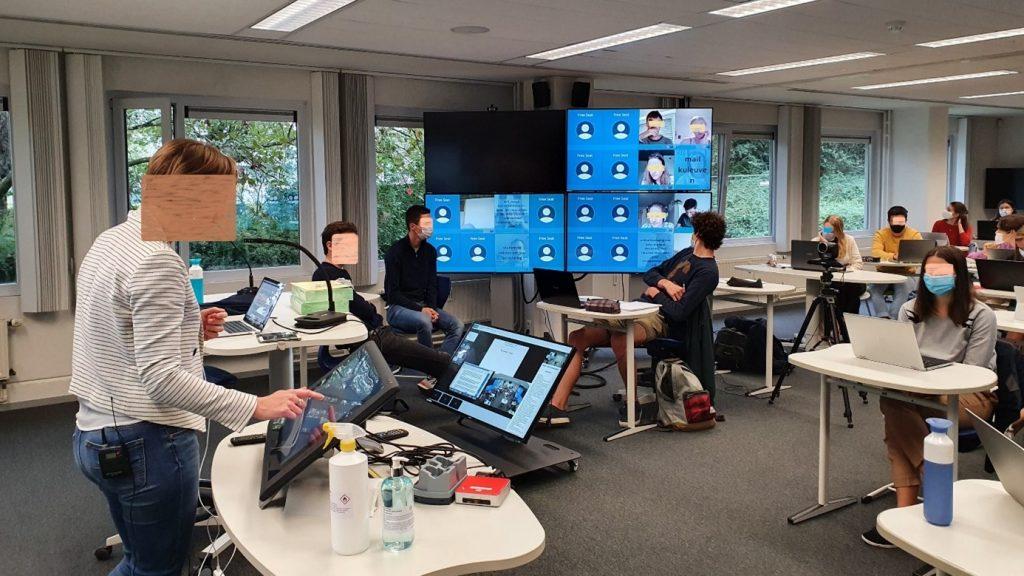
Designing Hybrid Classrooms for Flexibility: Innovative Strategies for Modern Learning
In today’s fast-evolving educational landscape, designing hybrid classrooms for flexibility has become a top priority for institutions aiming to deliver modern learning experiences. Hybrid learning environments blend traditional face-to-face instruction with digital components,allowing students to participate both in-class and remotely.By leveraging innovative strategies, educators can create dynamic, inclusive, and adaptive classrooms that promote student engagement and maximize learning outcomes.
Understanding Hybrid Classrooms: What Sets Them Apart?
A hybrid classroom, sometimes referred to as a blended learning habitat, is an instructional setting where in-person learning and online education seamlessly coexist. This model offers unprecedented flexibility, making education accessible to a diverse student population with varying needs and schedules.
- In-Person and Remote Integration: Students can choose to attend classes physically or virtually.
- Flexible Course Design: Allows for synchronous (real-time) and asynchronous (self-paced) learning modules.
- Personalized Learning Paths: Empowers students to engage at their own pace and revisit recorded sessions.
- Technology-Driven Engagement: Utilizes digital platforms, multimedia content, and collaborative tools to enhance learning experiences.
Key Benefits of Flexible Hybrid Classrooms
Embracing a hybrid learning model yields multiple advantages for students, educators, and institutions alike. Here are some prominent benefits of hybrid classrooms:
- Increased Accessibility: Overcomes geographical and physical barriers, supporting students unable to attend in-person.
- Improved Student Engagement: Interactive digital elements and real-world connections foster active learning.
- Resource Optimization: efficient use of technology and classroom space, reducing operational costs.
- Resilience and Continuity: Ensures uninterrupted learning in times of crises, travel restrictions, or emergencies.
- Scalable and Inclusive: Welcomes learners from diverse backgrounds and with diffrent abilities.
Innovative Strategies for Designing Flexible Hybrid Learning Environments
Crafting effective hybrid classrooms involves a thoughtful balance of pedagogy, technology, and classroom design. Below are innovative strategies and actionable steps for building a future-ready hybrid learning environment:
1. Leverage Cutting-Edge Technology
- Interactive Whiteboards: Foster collaboration and real-time interaction between in-class and remote learners.
- High-Quality AV Systems: Ensure clear audio and video for seamless participation.
- Learning Management Systems (LMS): Centralize resources, assignments, and communication.
- Classroom Polling & Quizzes: Use platforms like Kahoot! and Mentimeter to promote active participation for all students.
2. Flexible Physical and Virtual Classroom Design
- Modular Furniture: Adaptable seating arrangements support group work or self-reliant study.
- Multiple Camera Placement: Allow remote students varied viewpoints for a more immersive experience.
- Breakout Spaces: Both physical and virtual rooms for small-group collaboration.
- Consistent Branding and Navigation: Design digital spaces with clear layouts and intuitive access points.
3. intentional Course Structuring
- Blend Synchronous and Asynchronous Elements: Combine live lectures with self-paced assignments and recorded materials.
- Regular Touchpoints: Schedule weekly check-ins, virtual office hours, or discussion groups.
- Accessible Content formats: Provide materials in video, text, audio, and interactive formats catering to varied learning preferences.
- Clear Communication Guidelines: Establish protocols for participation, assignment submissions, and troubleshooting.
4. Professional Development and Tech Support for Educators
- Ongoing Training: Offer teachers workshops on best practices for hybrid instruction, classroom technology, and digital pedagogy.
- Peer Learning Communities: Create forums for educators to share resources and experiences.
- Responsive IT Support: Ensure technical issues are addressed swiftly to maintain smooth learning experiences.
Practical Tips for a Seamless Hybrid Classroom Experience
Implementing the right strategies is vital, but so is attention to detail. Here are some practical hybrid classroom tips to ensure success:
- Test Technology Before Every Session: Prevent disruptions with routine AV and connectivity checks.
- Use Name Tags and Digital Handles: Encourage students—both online and in-person—to identify themselves for inclusivity.
- Engage Both Audiences Equally: Direct questions to in-person and remote students to foster participation.
- Record Lectures: Allow students to revisit materials for better understanding and flexibility.
- Encourage Feedback: Regularly ask for student feedback to refine hybrid teaching approaches.
Case Study: A Modern Hybrid Classroom in Action
Case Study: Metro City High School’s Hybrid Model
In 2022, Metro City High School overhauled its educational model by introducing fully equipped hybrid classrooms. The school invested in interactive smart boards, omnidirectional microphones, and multiple high-resolution cameras. Teachers designed their lessons to blend online discussion boards with live group activities. According to faculty feedback, student attendance increased by 22%, while engagement in online forums doubled within the first semester.
- Key highlights:
- Students in different time zones could view recorded lessons and take part in virtual labs.
- Collaborative projects bridged the gap between in-person and remote learners.
- Teachers found it easier to track student progress and provide individualized support using the LMS.
First-Hand Experience: An Educator’s Outlook
“Teaching in a hybrid classroom was initially intimidating but ultimately transformative. The flexibility of hybrid design allowed students who needed to work part-time or care for family members to stay engaged with their education. Using interactive quizzes and live polls, I was able to connect with remote students in meaningful ways. Our classroom discussions shifted from being teacher-led to collaborative, dynamic exchanges—with all voices heard.”
— Jessica Lee, High School Science Teacher
Best Practices for Sustainable Hybrid Classroom Success
- Prioritize Equity: Ensure all students have access to the required technology and support.
- Establish Consistent Routines: Familiar formats help students feel agreeable and focused.
- Collect and Act on Data: Use analytics from digital tools to tailor instruction and address gaps.
- Foster a sense of Community: Build relationships through group work and peer-to-peer interactions—on site and online.
- Iterate and Improve: Stay adaptable; what works for one class or semester may need adjusting for another.
Conclusion: Shaping the Future of Education with Flexible Hybrid Designs
The accelerator effect of the digital age, student demand for flexibility, and global events such as the COVID-19 pandemic have forever changed the way we view education. Designing hybrid classrooms for flexibility empowers institutions to reach more learners, foster inclusion, and stay resilient in an evolving world. By embracing innovative strategies and focusing on both technology and pedagogy, educators can create transformative modern learning environments that prepare students for success in the 21st century and beyond.
Are you ready to transform your institution with cutting-edge hybrid classroom solutions? Begin today—invest in flexible design, continuous professional development, and student-centric innovation to unlock the full potential of modern learning.