
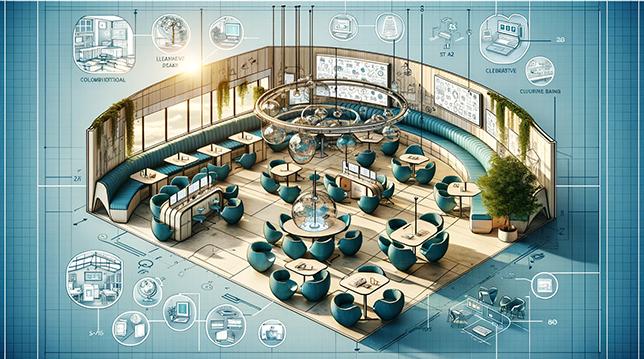
Designing Hybrid Classrooms for flexibility: Key Strategies for Adaptive Learning Spaces
In today’s fast-evolving educational landscape, hybrid classrooms have emerged as a transformative solution to address the dynamic needs of modern learners. As students and educators juggle physical and digital learning environments, the need for flexible classroom design has become paramount. Designing hybrid classrooms for flexibility not only enhances learner engagement but also fosters adaptive learning spaces that support the unique needs of every student. In this comprehensive guide,we’ll explore the essential strategies for creating future-ready hybrid classrooms that are both functional and inspiring.
What Are Hybrid Classrooms?
Hybrid classrooms combine traditional in-person instruction wiht online learning components, allowing students to participate both onsite and remotely. This model enables educational institutions to optimize resources, offer personalized learning pathways, and ensure continuity of education irrespective of location or circumstance.
- Blended Learning: Integrates face-to-face and digital instructional methods.
- Synchronous and Asynchronous Learning: supports real-time and self-paced engagement.
- Multi-Directional Interaction: Encourages collaboration between in-person and remote participants.
Benefits of Flexible, Adaptive Learning Spaces
Designing classroom spaces for adaptability goes beyond technology. Here are the key benefits of flexible hybrid classrooms:
- Increased Inclusivity: Supports diverse learning preferences and needs.
- Enhanced Engagement: Activates student participation through multiple modes of delivery.
- Improved Accessibility: Ensures that learning continues regardless of disruptions.
- future-proofing Institutions: Prepares schools and universities for evolving educational demands.
- Optimized Resource Utilization: Maximizes use of physical and digital tools and spaces.
Key Strategies for designing Hybrid Classrooms for Flexibility
A truly adaptive hybrid learning space seamlessly blends in-person and virtual experiences. Here are critical elements for effective classroom design:
1. Invest in Adaptive Classroom Technology
- interactive Whiteboards: Enable hands-on collaboration for both onsite and remote students.
- High-Quality Audio-Visual Systems: Crystal-clear microphones, cameras, and speakers allow every voice to be heard and every lesson to be seen.
- Collaborative Platforms: Tools like Google Workspace, Microsoft Teams, and Zoom integrate real-time student interaction.
2. Flexible furniture and Layouts
- Modular Desks & Chairs: Easily reconfigured to support group work, lectures, or self-reliant study.
- Mobile Whiteboards: Allow teaching from any spot and support student brainstorming sessions.
- Comfort Zones: Soft seating areas or standing desks can increase focus and cater to different learning styles.
3. Seamless Connectivity and infrastructure
- Robust wi-Fi Access: Ensures uninterrupted access for students and staff.
- Power Outlets Everywhere: Making it easy for students and teachers to charge devices.
- Centralized Control Systems: Manage lighting, sound, and climate easily for comfort and efficiency.
4. Supportive acoustics and Lighting
- Acoustic Panels: Reduce distractions and enable clear dialog.
- Adjustable Lighting: Natural light is ideal,but adjustable lighting improves visibility for screens and video.
5. Scalable Design for small and Large Groups
- Breakout Spaces: Areas for small group collaboration, accessible both in-person and virtually.
- Open floor plans: Allow for easy reconfiguration and expansion as needs change.
Practical Tips for Implementing Adaptive Hybrid Learning spaces
Whether you’re building a new classroom or retrofitting an old one,follow these best practices for adaptability:
- Involve Stakeholders Early: Gather input from teachers,students,IT staff,and administrators to ensure the space meets everyone’s needs.
- Pilot and Gather Feedback: Test new layouts and technologies in one or two rooms before a school-wide rollout.
- Plan for Maintenance: Choose durable, easy-to-clean surfaces and update tech regularly.
- Professional Advancement: Offer training sessions for educators to maximize the effectiveness of new tools and teaching strategies.
- Flexible Scheduling: Stagger class times and integrate online modules to avoid overcrowding and enhance learning outcomes.
case Study: A Successful Hybrid Classroom Transformation
Let’s look at Lincoln High School, which recently undertook a hybrid classroom redesign. The goal: create a flexible, adaptive space supporting both in-person and remote learning.
- Flexible Furniture: Replaced fixed desks with wheeled, adjustable seating and tables.
- Integrated tech: Installed cameras with auto-tracking, wireless microphones, and cloud-connected interactive displays.
- Holistic Support: Provided professional development for teachers and tech support for students.
- Flexible Layouts: Enabled classes to quickly shift from collaborative group work to individual study depending on the lesson.
The result? Higher engagement, increased attendance—both in-person and remote—and improved learning outcomes. Teachers reported stronger connections with students, and learners felt more in control of their educational journeys.
First-Hand Experience: Insights from Educators
“The shift to a hybrid classroom has transformed my teaching. I can easily pivot between whole-class discussions and breakout sessions. The technology, combined with flexible furniture, keeps students engaged, whether they’re in the room or dialing in remotely.”
– Ms. Rachel Thomas, 8th Grade Teacher
Teachers emphasize the importance of ongoing training and regular feedback loops to adapt spaces as needs evolve. Flexibility is not a one-time fix—it’s a continuous process that grows with your learners.
How to Future-Proof Your Hybrid Classroom
As educational innovation accelerates, here’s how to make your hybrid classroom both adaptive and future-ready:
- Invest in Scalable Technology: choose systems that can be upgraded with minimal disruption.
- Design for Multipurpose use: Ensure rooms serve both instructional and other school needs (meetings, activities, clubs).
- Embrace Worldwide Design: Make accessibility features core to your classroom, not an afterthought.
- Regularly Review and Iterate: Survey users and incorporate their feedback into ongoing design changes.
Conclusion: The Path Forward for Flexible Hybrid Classrooms
Designing hybrid classrooms for flexibility and adaptive learning isn’t just about adding technology or buying some new desks. It’s about fostering environments that place student engagement, inclusivity, and resilience at their core. By focusing on smart space planning, robust digital infrastructure, and empowered educators, modern hybrid classrooms can truly meet the needs of today’s—and tomorrow’s—learners.
As education continues to evolve, the ultimate measure of a classroom’s success lies in its ability to adapt. Institutions that embrace flexible classroom design will not only thrive in the era of hybrid learning, but will also set the standard for innovative, student-centered education.