
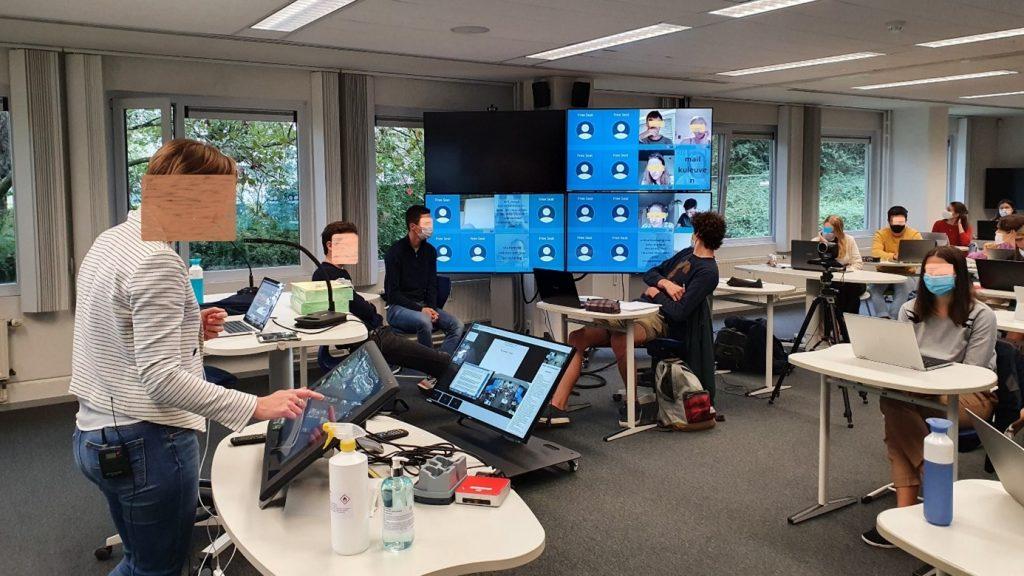
Designing Hybrid classrooms for Flexibility: Strategies for Modern Learning Success
Introduction
The shift to hybrid classrooms has transformed the educational landscape, enabling a balance between in-person and online learning environments. As schools and universities seek innovative approaches to deliver flexible, effective, and engaging instruction, designing hybrid classrooms for flexibility has become essential. In this extensive guide, you’ll discover proven strategies for building adaptable hybrid learning spaces that support student success in the modern era.
What Are Hybrid Classrooms and Why Are They Vital?
A hybrid classroom is a learning space where face-to-face instruction seamlessly integrates with remote,digital participation. This model ensures students can access courses regardless of their physical location. Especially since the global shift in educational delivery formats post-pandemic, hybrid classrooms have proven to be a vital component of modern learning environments.
- Simultaneous in-person and remote participation
- digital integration with learning management systems (LMS)
- Interactive technology for enhanced collaboration
- Flexible scheduling and access to resources
Emphasizing flexibility in hybrid classrooms not only future-proofs your educational offering but also caters to diverse student needs, learning styles, and personal circumstances.
Benefits of Flexible Hybrid Classroom Design
- Accessibility: Learning becomes inclusive, benefiting students with diverse needs.
- Scalability: Easily accommodate fluctuating class sizes and remote learners.
- Engagement: Blend synchronous and asynchronous learning strategies to boost interaction.
- Resource Optimization: Make better use of physical space and digital tools.
- Continuity: Rapidly adapt to disruptions (such as weather,illness,or travel).
These advantages set a strong foundation for achieving modern learning success in any educational institution.
Core Strategies for Designing Hybrid Classrooms for Flexibility
When planning a hybrid classroom design, consider these critical elements to create an adaptive and effective learning habitat:
1.Invest in Robust Technology Infrastructure
- High-Speed Internet Connection: Essential for seamless interaction between in-person and remote learners.
- Audio-Visual Equipment: Quality cameras, microphones, and interactive displays foster real-time communication.
- Integrated Learning Platforms: Choose an LMS compatible with hybrid teaching tools such as Zoom, Google Classroom, or Microsoft Teams.
2. Create Flexible Physical and Virtual Spaces
- Modular Furniture: Use movable desks and seating to adapt the setup for group work or lectures.
- Clear Sightlines: Arrange cameras and screens so remote participants and in-person students can see and hear clearly.
- Digital Breakout Rooms: Enable small group collaboration via video conferencing platforms.
3. Develop Inclusive Hybrid Learning Policies
- Equal Participation: Design activities encouraging input from both face-to-face and online learners.
- Clear Communication: Set explicit expectations about attendance, engagement, and assessment methods.
- Accessibility Compliance: Ensure all digital resources are accessible (closed captioning,transcripts,etc.).
4. Prioritize Teacher Training and Support
- Offer professional growth for hybrid teaching methodologies.
- Provide troubleshooting guides for technology use.
- Foster a community of practice among faculty and staff.
5. Foster Collaboration and Feedback
- Utilize cloud-based collaborative tools for assignments and projects.
- Regularly solicit feedback from students to improve the hybrid learning experience.
- Encourage peer learning through discussion boards and group tasks.
Practical Tips for Educators in Hybrid Classrooms
- Start Small: Introduce one new tool or approach at a time to avoid overwhelming yourself and students.
- Structure Your Lessons: Alternate between synchronous (live) and asynchronous (recorded or self-reliant) activities.
- Engage Remote Learners: Use polls, chats, and breakout rooms to involve online participants actively.
- Record Sessions: Provide recordings for students who need to review material or couldn’t attend live.
- Assess Flexibly: Incorporate a mix of traditional quizzes, digital assignments, and collaborative projects.
Case Studies: Successful Hybrid Classroom Implementations
Case Study 1: University of Leeds, UK
In response to the pandemic, the University of Leeds transitioned quickly to a hybrid learning model. By investing in lecture capture technology and enhancing their digital learning infrastructure, the faculty enabled real-time streaming and interactive participation for both on-campus and remote students. Surveys showed improved student satisfaction and a persistent preference for hybrid offerings.
Case Study 2: Rancho Bernardo High School,USA
This high school adopted modular furniture,portable technology carts,and a blended curriculum design,allowing teachers to shift seamlessly between teaching formats. Teachers noted higher engagement and greater flexibility to accommodate students’ scheduling needs and health concerns.
First-Hand Experience: An Educator’s Perspective
“Designing a hybrid classroom was daunting at first, but prioritizing flexibility made all the difference,” shares Sarah Lopez, a secondary science teacher. ”By integrating collaborative tools and offering recordings,I noticed my students felt more supported,regardless of whether they were in-class or learning from home.the ability to adapt quickly to change has been the hallmark of my classroom’s evolving success.”
Conclusion
Designing hybrid classrooms for flexibility is an investment in the future of education. By embracing modern technologies,flexible learning environments,and inclusive instructional strategies,educators can unlock the full potential of every student. As hybrid learning becomes a sustained norm,institutions that champion adaptability and student-centered design will lead the way in achieving modern learning success.
Ready to transform your teaching spaces? Start planning your flexible hybrid classroom today and empower your community for a brighter, more connected educational future!