
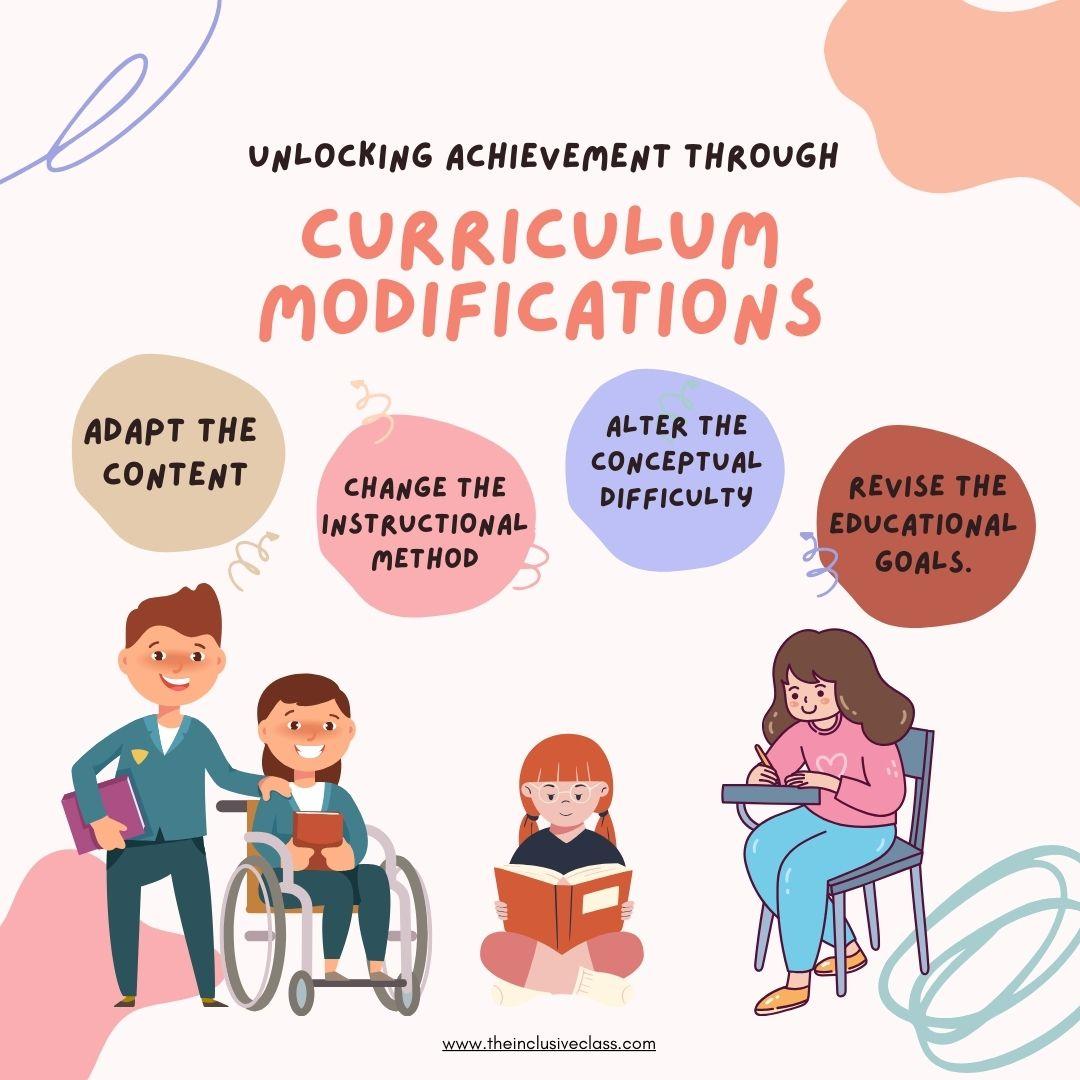
Designing Inclusive Curricula: Best Practices for Diverse Learners
In today’s globally connected world,educational institutions are more diverse than ever. Learners come from a broad spectrum of backgrounds, abilities, and perspectives. designing inclusive curricula is thus essential not only for educational equity but also for fostering an enriching, supportive classroom environment. in this article, we explore proven best practices for developing curricula that engage and empower diverse learners, supporting their academic and personal growth.
What is Inclusive Curriculum Design?
Inclusive curriculum design involves creating learning experiences that recognize and embrace the diversity of students. it seeks to ensure that educational materials, activities, and assessments are accessible and meaningful for all learners, nonetheless of their background, learning style, abilities, or identities. The primary goal is to remove barriers to learning and provide equal opportunities for success.
Why Is Inclusive Curriculum Critically important?
The importance of inclusive curricula cannot be overstated. By acknowledging and valuing student diversity, educators build a foundation where every learner feels seen, heard, and supported. Some compelling reasons for prioritizing inclusive curriculum design include:
- Equity: Ensures every student has access to quality education, regardless of race, gender, ability, or socioeconomic status.
- Academic Success: Promotes higher engagement, lower dropout rates, and better academic outcomes for all students.
- Social-Emotional Learning: Encourages empathy, respect, and a sense of belonging in the classroom community.
- Preparation for the Future: Prepares students to thrive in diverse workplaces and communities after graduation.
Key Benefits of Inclusive Curriculum Design
- Reduces achievement gaps among students from diverse backgrounds.
- Supports the needs of students with disabilities and learning differences.
- Promotes a culture of respect, tolerance, and diversity.
- Fosters creativity and critical thinking.
- Encourages lifelong learning and adaptability.
Best Practices for Designing Inclusive Curricula
There is no single blueprint for inclusive curriculum design, but several proven strategies can help educators make their teaching more accessible and responsive to diverse learners. Here are essential best practices to follow:
1. Get to Know Your learners
- Conduct surveys or informal check-ins to understand students’ backgrounds, interests, and learning preferences.
- Recognize the full range of diversity—including language, culture, ability, gender identity, and socioeconomic background.
- Build trust and rapport to create a safe and welcoming environment.
2. Use Worldwide Design for Learning (UDL) Principles
- Present content in multiple formats: text, audio, video, visuals, and hands-on activities.
- Offer various ways for students to demonstrate their learning (projects,oral presentations,written work,digital portfolios,etc.).
- Provide options for engagement,such as collaborative work,independent study,and choice-based assignments.
3. Incorporate Culturally Responsive teaching
- Integrate diverse voices,authors,and perspectives into learning materials.
- Recognize, respect, and reflect students’ cultural backgrounds in the curriculum.
- Facilitate discussions about identity, equity, and social justice when appropriate.
4.Ensure Accessibility for All
- Use accessible instructional materials (AIM) and technologies that support students with disabilities.
- Make sure websites, handouts, and presentations comply with accessibility standards (such as WCAG 2.1).
- Caption videos, provide audio descriptions, and use readable fonts and contrasting colors.
5.Scaffold Learning and differentiate Instruction
- Break complex concepts into manageable steps with clear guidance.
- Offer additional resources or support for students who need it.
- Challenge advanced learners with enrichment activities or deeper exploration.
6. Engage Students’ Voice and Choice
- Invite student input on topics, projects, and assessments.
- Encourage students to explore issues relevant to their lives and communities.
- Promote inquiry-based and project-based learning for student ownership.
7. Foster an Inclusive Classroom Culture
- Set clear expectations for respect and collaboration.
- Intervene proactively to address bias, bullying, or exclusion.
- Celebrate diversity with multicultural activities,holidays,and events.
Practical Tips for Implementing Inclusive Curriculum
- Review teaching materials regularly: Audit your curriculum to identify and address biases or stereotypes.
- Work as a team: Collaborate with colleagues, counselors, and specialists to develop more inclusive lessons.
- Leverage technology: Explore assistive technology and digital tools that can adapt to diverse learning needs.
- Solicit feedback: Ask students for input on what helps or hinders their learning, and be willing to adjust accordingly.
- Engage families: Build partnerships with families and communities to understand students’ cultural and educational backgrounds.
Real-World Case Study: Inclusive Curriculum in Action
Case Study: Inclusive Literacy Program at Maple Grove Elementary
Maple Grove Elementary, a diverse urban school, faced significant reading achievement gaps. The school leadership decided to redesign its literacy curriculum based on inclusive education principles. Here’s how they succeeded:
- Data Collection: Teachers surveyed students on preferred reading materials and assessed literacy levels across all grades.
- Diverse Content: The new reading list featured stories from global authors and characters of various backgrounds, fostering portrayal.
- Universal design: Lessons included read-alouds, audiobooks, and visual aids. Assessments ranged from creative storytelling to multimedia presentations.
- Accessible Resources: The school library was updated with large-print books, graphic novels, and multi-language options.
- Results: Over two years, engagement in reading doubled and standardized test scores improved by 18%, with notable gains among English language learners and students with special needs.
First-Hand Viewpoint: An Educator’s experience
“When I first started implementing inclusive curriculum strategies,I saw immediate shifts in my classroom dynamics. Students who previously felt marginalized began participating more actively, and overall collaboration improved. It took time to revise lesson plans and learn new technologies, but the benefits—both in student achievement and classroom culture—made it more than worthwhile.”
— Rachel N., Middle School Science Teacher
Overcoming Challenges in Inclusive Curriculum Design
While the benefits are clear, designing and implementing inclusive curricula does come with challenges. Some educators cite lack of resources, time constraints, and limited training as obstacles. However, these can be overcome with:
- Professional Development: Engage in regular training on inclusive education, accessibility, and culturally responsive teaching.
- Collaboration: Connect with other educators to share ideas, resources, and support.
- Advocacy: Champion institutional support for inclusive practices, including investment in accessibility tools and diverse materials.
- Start Small: Begin by making incremental changes—such as adding diverse voices to your reading list or adjusting one lesson plan at a time.
Conclusion
Designing inclusive curricula is a transformative approach that benefits students, educators, and communities. By embracing diversity and employing best practices for accessibility, equity, and student-centered learning, schools can prepare diverse learners for success in an ever-changing world. whether you’re revamping your entire program or taking the first steps toward inclusivity, every action counts in creating classrooms where all students can thrive.
Ready to make your curriculum more inclusive? Start today with one small change and join the movement for educational equity and excellence for every learner.