
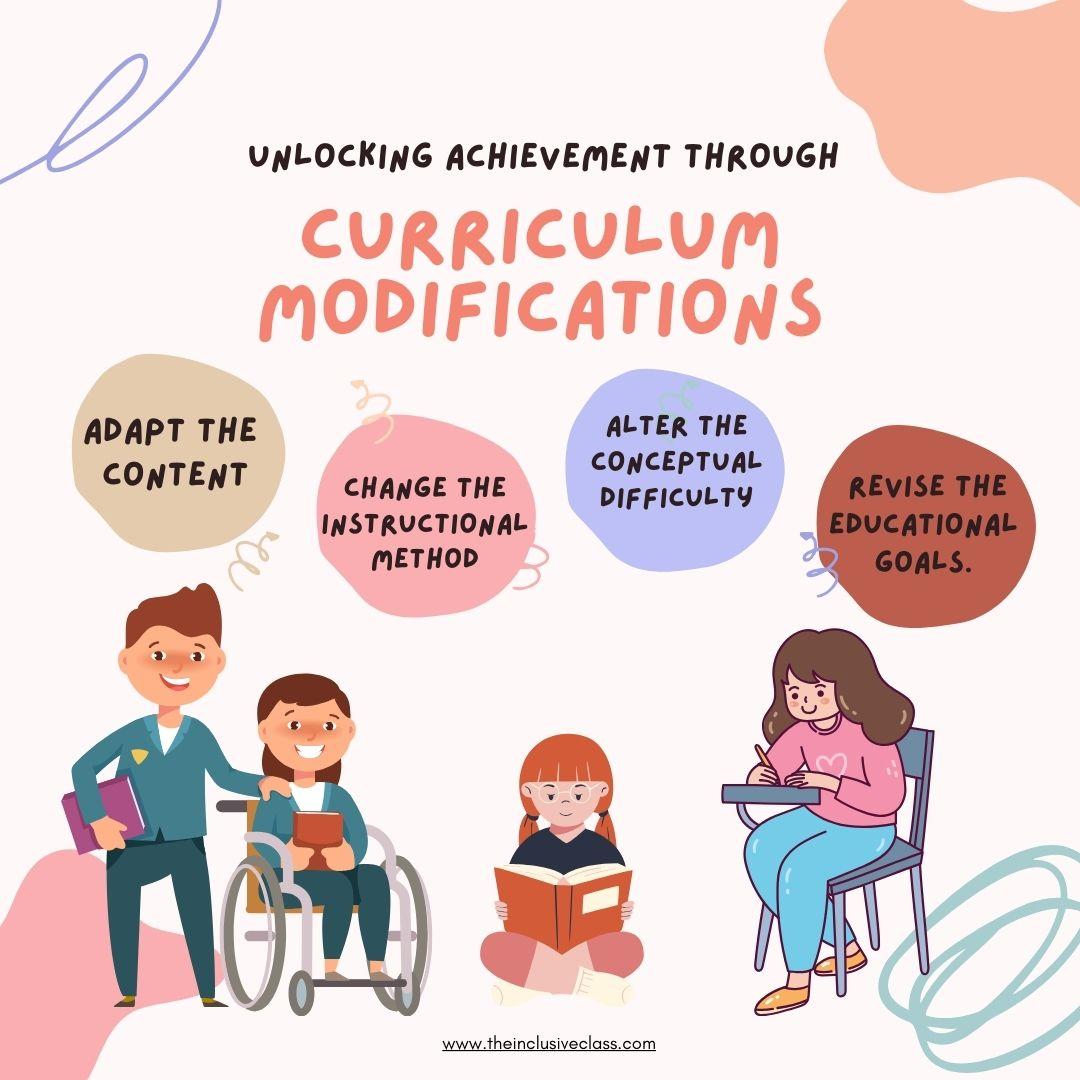
Designing Inclusive Curricula: Effective Strategies for Diverse Learner Success
In today’s increasingly diverse learning environments, creating inclusive curricula is essential for every educator. By designing curricula that address the needs of all students—including those from various cultural, linguistic, socioeconomic backgrounds, and with different abilities—educators can unlock the potential in every learner. this guide explores proven strategies for designing inclusive curricula that foster success in a diverse classroom, offering practical tips, case studies, and first-hand insights to help you implement these strategies in yoru own teaching practice.
Why Inclusive Curricula Matter
Inclusive curricula are vital for building equitable learning spaces where every student can thrive. The concept goes beyond simple accessibility, seeking to provide meaningful participation for learners with a broad spectrum of backgrounds and challenges. When implemented effectively, inclusive education:
- Promotes equity and respect for diversity
- Improves engagement and academic outcomes for all students
- reduces achievement gaps between different demographic groups
- Prepares learners for a multicultural, global society
- Encourages critical thinking and empathy
core Principles of Designing Inclusive Curricula
At the heart of any inclusive curriculum are several guiding principles, drawn from universal design for learning (UDL), culturally responsive teaching, and differentiated instruction methodologies:
- Equity: Equal access to learning opportunities for all students, nonetheless of background or ability.
- Versatility: Adapting teaching methods, materials, and assessments to accommodate diverse needs.
- Representation: Reflecting the cultural, social, and linguistic diversity of students in content and perspectives.
- Participation: Encouraging active contributions from every learner.
- Collaboration: Partnering with families, communities, and specialists to support all students.
Effective Strategies for Inclusive Curriculum Design
1.Apply Universal Design for Learning (UDL)
UDL is a research-based educational framework that guides the development of flexible learning environments to accommodate individual learning differences. UDL operates on three primary principles:
- Multiple Means of Representation: Present details in diverse ways (visual, auditory, hands-on).
- Multiple Means of Expression: Allow students to demonstrate understanding through various formats (written, spoken, creative projects).
- Multiple Means of Engagement: Offer choices that stimulate interest and motivation among different learners.
2. Incorporate Culturally Responsive Teaching
address the diverse cultural backgrounds of students by integrating their histories, texts, values, beliefs, and perspectives into the curriculum. Practical steps:
- Include materials authored by people from varied cultures and experiences
- Create assignments that allow students to draw from their own cultural backgrounds
- Use examples and case studies that speak to a global context
- Encourage sharing of personal stories and community traditions
3. Scaffold instruction and Assessment
Support students at every stage of learning with tailored scaffolding and differentiated assessment methods:
- Break complex tasks into smaller, manageable steps
- Use formative assessment to monitor progress and adapt instruction
- Provide additional resources for students who need extra help
- Offer choice assessment formats (oral, visual, written, performance)
4. Foster Collaborative and Social Learning
Encourage students to work together and learn from their peers:
- Utilize group projects that leverage each student’s unique skills
- Mix group membership to maximize diversity and cross-cultural understanding
- promote peer teaching and mentorship opportunities
5.leverage Technology for Accessibility
Use educational technology to accommodate diverse learning needs and styles:
- Integrate assistive technology (text-to-speech, screen readers, captioned videos)
- Provide accessible digital resources and alternative formats
- offer learning management systems (LMS) with customizable features
Benefits of Inclusive Curriculum for Diverse Learners
- Enhanced Academic Outcomes: Students are more motivated and resilient, leading to better performance.
- Increased Engagement: Learners feel seen and valued, which promotes active participation.
- Social-Emotional Growth: Inclusive environments nurture empathy,respect,and interpersonal skills.
- Preparation for Global Citizenship: Exposure to diverse ideas gets students ready for the multicultural workforce and society.
- Reduced Bias and Discrimination: Inclusive curricula help break down stereotypes and foster mutual understanding.
Practical Tips for Implementing Inclusive Curriculum Design
- Start with Self-Reflection: Assess your own biases and assumptions to become a more inclusive educator.
- Gather Diverse Input: Involve students, families, and community members in curriculum development.
- Review content for Representation: Regularly audit course materials to ensure inclusivity and relevance.
- Be Flexible with Methods and Assessments: Tailor your approach to accommodate various learner preferences and needs.
- Foster an Open, Supportive Climate: Encourage students to share, question, and learn from each other’s unique experiences.
Case Study: Inclusive Curriculum in action
At Lincoln Middle School,teachers and administrators worked together with the local community to redesign the 7th-grade social studies curriculum. Key changes included:
- Introducing primary sources from diverse cultures and perspectives
- Creating group projects where students explored their family histories and presented them in class
- Using technology to connect with guest speakers from different backgrounds via video calls
- Allowing students to choose between essays, presentations, or creative projects for final assessments
As an inevitable result, participation rates increased dramatically, and end-of-year assessments revealed improved understanding and retention, especially among English language learners and students with learning differences.
First-Hand Experience: Voices from Inclusive Classrooms
“I used to think I was just ‘bad at school,’ but when my teacher let us present our projects in different formats, I realized I could explain things really well with videos.Now I feel much more confident studying anything.” – Maria, high school student
“Collaborative group work has helped me connect with students I’d never have met or else. Everyone brings something different to the table, and our projects always turn out stronger as an inevitable result.” – Jahmal, middle school student
Common Challenges and Solutions in Inclusive Curriculum Design
- Lack of Time and Resources: Start small by adapting one unit or lesson at a time; seek out free online resources and community partnerships.
- Resistance to Change: Cultivate a culture of openness and ongoing professional development among staff.
- Unconscious Bias: Engage in regular self-reflection, diversity training, and collaborative planning with colleagues.
- Assessment Pressure: Integrate authentic, formative assessments alongside standardized testing to measure all students’ growth.
Conclusion: Building a Future of Equitable Success
Designing inclusive curricula is a powerful step toward educational excellence and equity. By adopting universal design for learning,embedding cultural relevance,using flexible assessment strategies,and fostering collaboration,educators create learning spaces where all students can succeed.The transition to inclusion is ongoing, requiring dedication, creativity, and the willingness to learn from students, families, and the wider community. Start your journey today—one lesson, one conversation, and one learner at a time—and you’ll see the transformative power of inclusive curriculum design for diverse learner success unfold in your classroom.
Ready to start designing your inclusive curriculum? Bookmark this guide and share it with your colleagues to empower every learner in your classroom.