
Designing Inclusive Curricula: Effective Strategies for Diverse Learners
In today’s rapidly evolving educational landscape,designing inclusive curricula is more critically important than ever. As classrooms become increasingly diverse, educators and curriculum developers are challenged to create learning experiences that meet the needs of all students. Embracing inclusive education fosters a supportive surroundings where every learner, regardless of background or ability, can thrive. In this article, we’ll explore effective strategies, benefits, and practical tips for developing inclusive curricula that enhance engagement and achievement for diverse learners.
What is Inclusive Curriculum Design?
An inclusive curriculum is thoughtfully structured to recognize and cater to the unique needs, strengths, and cultural backgrounds of all students. The goal is to cultivate equity, accessibility, and participation for learners of different abilities, languages, cultures, and experiences.
- Equitable access: Ensuring resources and opportunities are available for everyone
- Diverse depiction: Including voices, perspectives, and role models from varied backgrounds
- Flexible approaches: Providing multiple pathways to learning and assessment
- Universal Design for Learning (UDL): Applying principles that support all learners, especially those with disabilities or learning differences
Benefits of Designing Inclusive Curricula
Adopting an inclusive curriculum design doesn’t just benefit students with special needs or from minority backgrounds—it enriches the entire learning community. Here are some compelling benefits:
- Enhanced Student Engagement: Learners see themselves reflected in the curriculum, fostering connection and motivation.
- Improved Academic Outcomes: Differentiated instruction and inclusive practices lead to better comprehension and achievement for all students.
- Positive Classroom Climate: Inclusive teaching methods promote empathy, collaboration, and respect among peers.
- Planning for the Real World: Exposure to multiple perspectives prepares students for diverse environments beyond the classroom.
- Reduces Achievement Gaps: targeted support helps narrow disparities in academic performance.
Key Strategies for Designing Inclusive Curricula
To maximize inclusion and academic success for diverse learners, educators can integrate a variety of strategies into curriculum development and delivery.Below is a well-researched roadmap for effective practice.
1. Apply Universal Design for Learning (UDL) Principles
UDL is an educational framework that aims to improve and optimize teaching for all people based on scientific insights into how we learn. The three main UDL principles include:
- Multiple Means of Representation: Present information in different ways to accommodate varied learning preferences (e.g., visual, auditory, kinesthetic).
- Multiple Means of Engagement: Offer choices and relevance to motivate learners with different interests and backgrounds.
- Multiple Means of Action and Expression: Provide options for students to demonstrate learning, such as multimedia projects, oral presentations, or essays.
2. Foster Culturally Responsive Teaching
Incorporate cultural references in all aspects of learning. Culturally responsive curricula validates and celebrates students’ backgrounds, making learning relevant and meaningful.
- Integrate literature, case studies, and examples from a wide range of cultures.
- Encourage students to share their own perspectives and experiences.
- Address bias and stereotypes through open dialog and critical reflection.
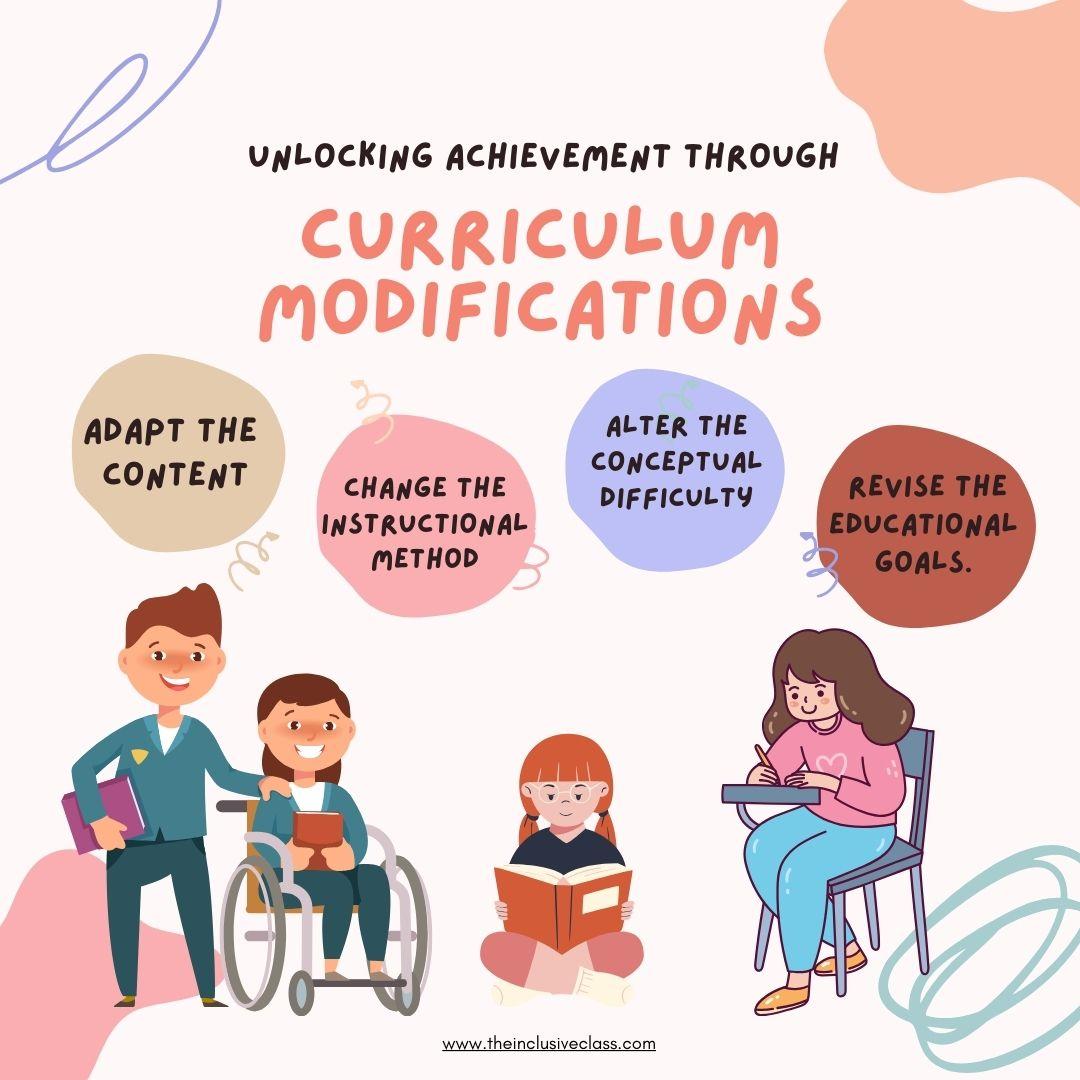
3. Differentiate Instruction
Differentiate teaching methods to address individual learning needs. This can include:
- Flexible grouping by skill or interest
- Tiered assignments offering various levels of complexity
- Utilizing technology for personalized learning experiences
4. Incorporate Assistive Technologies
Leverage digital tools and resources to support learners with disabilities or additional needs:
- Text-to-speech and speech-to-text software
- Subtitling and captions for videos
- Accessible digital books and resources
5. Promote Collaborative Learning
Teamwork encourages students with different abilities, strengths, and experiences to learn from each other.
- Include group projects, peer tutoring, and cooperative learning activities
- Arrange diverse groupings to foster inclusion and positive interdependence
6. Regularly Assess and adapt
Inclusive curricula require ongoing assessment and refinement to meet evolving student needs.
- Collect student feedback through surveys or discussions
- Analyze learner progress with formative and summative assessments
- Revise content and instructional approaches as needed
Practical Tips for Educators: Building Inclusive Curricula
Designing and implementing inclusive curricula is a dynamic process. Here are step-by-step tips for educators and curriculum developers:
- Conduct a needs Assessment: Gather data about your students’ backgrounds, strengths, and areas of need.
- Set Clear, Flexible Learning Objectives: Define goals that all students can achieve, allowing for multiple ways to demonstrate understanding.
- create Diverse Content: Incorporate materials that reflect a wide range of cultures, identities, and experiences.
- Utilize Adaptive Resources: Support students with additional learning tools and accommodations.
- Encourage Student Voice: Involve learners in shaping the curriculum through choices, surveys, and topic selections.
- Provide Scaffolding: Offer supports such as outlines, visual aids, and step-by-step instructions to guide learners.
First-Hand Experience: A Teacher’s Perspective
“When I began redesigning my 5th grade curriculum with inclusion in mind, I saw an immediate shift in classroom dynamics. By introducing choice boards, group projects, and materials in different languages, participation soared. Students who were previously disengaged became active contributors, and the sense of belonging was palpable. Inclusive teaching truly transforms lives.”
– Maria N., Elementary school Educator
Case Study: Inclusive Curriculum in Action
A large urban middle school implemented a new inclusive curriculum that embedded learning supports and culturally relevant content. The results after one academic year included:
- Academic performance gaps narrowed by 18% between minority and majority groups
- Student surveys reported a 35% increase in classroom engagement
- Special education referrals decreased as more students flourished in the general education setting
this real-world example demonstrates that inclusive curricula not only foster equity, but drive significant improvements across all student demographics.
Common Challenges and overcoming Barriers
While the benefits of inclusive curricula are evident, educators may encounter challenges such as limited resources, time constraints, and resistance to change. Overcoming these barriers involves:
- Professional Development: Ongoing training to build inclusive teaching skills
- Collaborative Planning: Engage teams of educators, specialists, and community members
- Incremental Changes: Start small, evaluate impact, then scale up prosperous strategies
Conclusion: Shaping the Future with Inclusive Curriculum Design
Designing inclusive curricula is essential in shaping a fair, dynamic, and effective educational environment for diverse learners. By applying principles of Universal Design for Learning, culturally responsive teaching, differentiated instruction, and leveraging technology, educators empower every student to succeed.Inclusive education isn’t just an instructional model—it’s a mindset that celebrates diversity and supports lifelong learning.
Ready to build a more inclusive classroom? Start by evaluating your curriculum today, and take the first steps towards educational equity and excellence for all.