
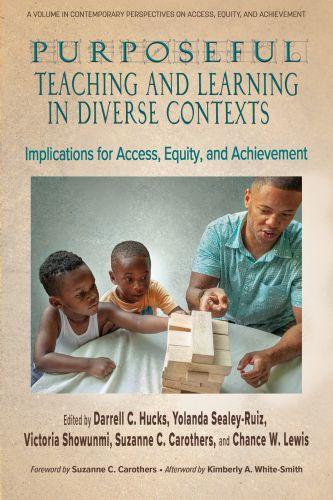
Designing Inclusive Curricula for Diverse Learners: Best Practices and Strategies for Educators
As classrooms become increasingly diverse, the need for inclusive curricula grows ever more vital. Modern educators must adapt their teaching practices to meet the varied backgrounds, abilities, and learning styles of their students. In this comprehensive guide, we’ll explore the significance of designing inclusive educational materials, delve into effective strategies, examine real-world case studies, and offer actionable tips. Whether you’re a seasoned teacher or new to the profession, learn how embracing diversity in curriculum design can foster academic success, build belonging, and empower every learner.
Understanding Inclusive Curriculum Design
Inclusive curriculum design involves creating learning experiences that are accessible, relevant, and responsive to all students—regardless of their abilities, backgrounds, or identities. By integrating inclusive education practices, educators can:
- Accommodate various learning styles and needs
- Promote equity and social justice in education
- Support students with disabilities, language differences, and cultural diversity
- Build a respectful, engaging classroom surroundings
At its core, inclusive curriculum design is about breaking down barriers to learning and ensuring every student has a fair chance to succeed.
Key Principles of Inclusive Curriculum Design
- Adaptability: Offer multiple ways for learners to engage with content,demonstrate understanding,and participate in activities.
- Accessibility: Ensure all materials—digital and physical—are usable by students with disabilities, including those who use assistive technology.
- Relevance: Incorporate diverse perspectives, cultural backgrounds, and real-world connections to make content relatable.
- Collaboration: Encourage peer-to-peer learning and group work that values different voices and abilities.
- Continuous Betterment: Regularly assess and adjust materials to reflect evolving best practices and feedback from students.
Best Practices for Designing Inclusive Curricula for Diverse Learners
Engage in these proven methods to create curricula that truly serve the richness of student diversity:
1. Utilize Universal Design for Learning (UDL)
- Provide multiple means of portrayal (visual, auditory, kinesthetic)
- Allow various methods for students to show their learning (oral presentations, written work, projects)
- Offer choices and personalize instruction where possible
2. Foster Culturally Responsive Teaching
- Recognize and celebrate students’ cultural heritage
- Integrate literature, examples, and ancient content from multiple cultures
- Encourage discussions that respect differing viewpoints
3. Integrate Adaptations and accommodations
- Use assistive technology and alternative formats (audio books, captions)
- Implement flexible grouping and differentiated instruction
- Adjust assignments and assessments based on students’ needs
4. Create Safe, Supportive Environments
- Build trust and rapport among students through restorative practices
- Develop clear norms that discourage bias and exclusion
- Address social-emotional learning as part of the curriculum
5. Collaborate with Families and Communities
- Maintain open, respectful communication with families
- Involve community leaders and organizations in the learning process
- Seek input from parents about students’ backgrounds and strengths
Benefits of Inclusive Curriculum for Diverse Learners
Implementing inclusive educational practices offers measurable rewards for students, educators, and the entire school community:
- Higher Academic Achievement: Accessible and differentiated instruction improves outcomes for all learners.
- Increased Student Engagement: Learners are more motivated when content reflects their lives and interests.
- Better Social Relationships: Inclusion fosters respect, empathy, and cross-cultural understanding.
- reduced Achievement Gaps: Targeted supports help level the playing field for marginalized groups.
- greater Teacher Satisfaction: Educators experience the rewards of meeting every child’s needs.
Practical Tips for Implementing Inclusive Curriculum
- Assess starting points: Survey students at the beginning of the year to gauge their strengths, interests, and needs.
- Review and revise materials: Regularly update syllabi, lessons, and resources to ensure they meet accessibility standards.
- model inclusivity: use respectful language, demonstrate openness to feedback, and showcase diverse role models.
- Offer professional development: Attend workshops and training focused on inclusive teaching strategies.
- Gather feedback: Solicit student and parent input on curriculum effectiveness and inclusivity.
Case Studies: success Stories in Inclusive Education
Case Study 1: Elementary School Embraces UDL
A public elementary school in California adopted Universal Design for Learning (UDL) principles across its curriculum. Teachers offered multiple ways to access content (videos, printed materials, hands-on experiments) and allowed students to choose how to express mastery. Test scores rose, disciplinary referrals dropped, and student engagement dramatically increased.
Case Study 2: Culturally Responsive Curriculum in Urban High School
An urban high school integrated culturally relevant texts and history into its social studies and literature classes.Discussions became more interactive, and attendance improved as students felt seen and valued. Teachers noticed fewer achievement gaps among diverse student groups.
Case Study 3: Technology Supports for Students with Disabilities
A suburban district provided digital textbooks, speech-to-text tools, and personalized learning dashboards to support students with disabilities. Participation rose, and parent satisfaction scores indicated a more supportive, inclusive environment for every learner.
First-Hand Experiences from Educators
“Redesigning my lessons to include multiple entry points transformed the learner experience in my classroom. Not only did engagement and achievement rise, but students started to support each other in new and powerful ways.” — Sarah M., 6th Grade Teacher
“Including diverse perspectives in our reading list sparked thoughtful conversation and made students feel recognized. The positive feedback from parents and students was overwhelming.” — James L., High School English Teacher
Conclusion: Moving Forward with Inclusivity in curriculum Design
Designing inclusive curricula for diverse learners is an ongoing process that transforms classrooms into dynamic, equitable spaces. By adopting best practices, leveraging proven strategies, and learning from real-world examples, educators can ensure every student receives the quality education they deserve. The benefits reach far beyond academic achievement—empowering students to find their voice, celebrate their identity, and participate fully in our changing world.
Ready to embrace inclusive education? Begin with small changes, seek continuous improvement, and keep the needs of every learner at the heart of your work. Your commitment shapes the future of education—one inclusive classroom at a time.