
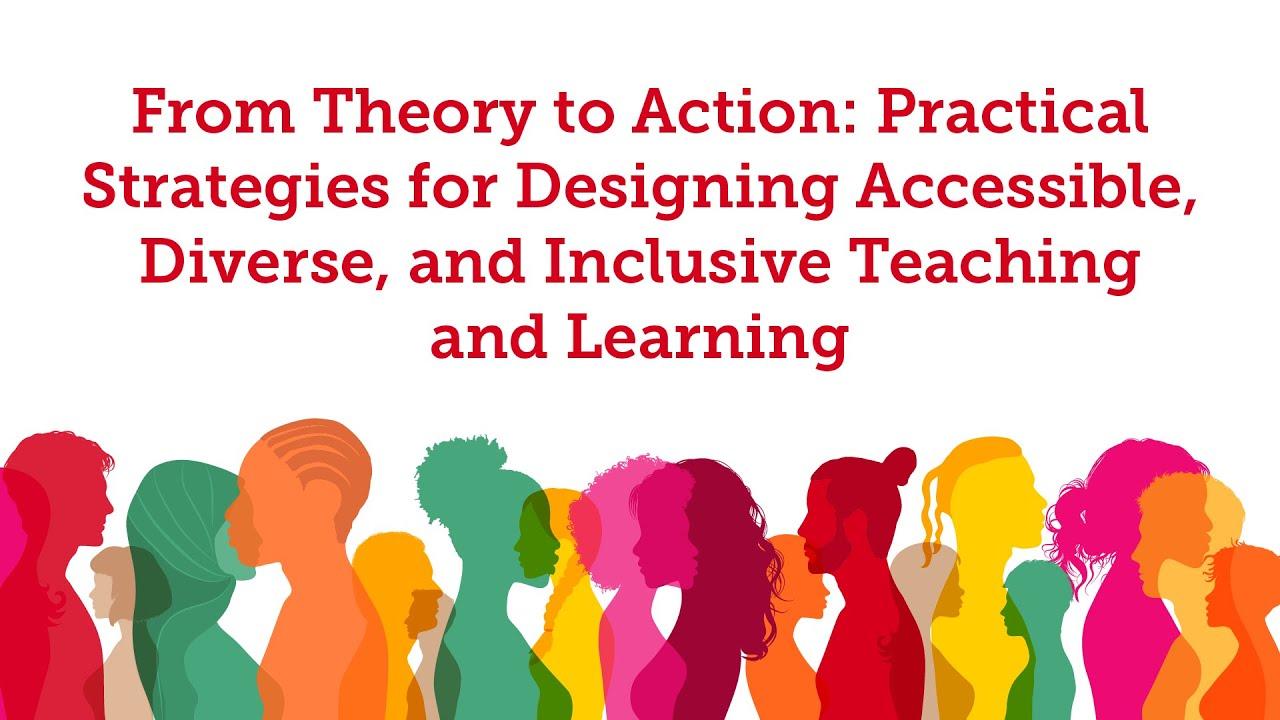
Designing Inclusive Curricula for Diverse Learners: Key Strategies for Effective Classroom integration
In today’s rapidly evolving educational landscape, designing inclusive curricula for diverse learners has never been more crucial. Classrooms across teh globe are rich tapestries of cultures, learning abilities, languages, and backgrounds. Educators are challenged to create flexible, engaging learning environments that support all students—regardless of their starting point.This article will explore essential strategies for developing inclusive curricula, discuss its benefits, and offer practical tips for effective classroom integration.
What Is an Inclusive Curriculum?
An inclusive curriculum is thoughtfully designed to recognise, respect, and value student diversity. It provides opportunities for all learners—regardless of ability, culture, language, or socioeconomic status—to access, engage, and succeed in the classroom. Inclusion is not simply about physical presence; it is indeed about meaningful participation, agency, and equal opportunity for growth.
- Cultural responsiveness: Materials and teaching strategies reflect the backgrounds and experiences of all students.
- accessibility: Lessons are adapted for students with disabilities, learning differences, and language barriers.
- Equity: Every student gets the necessary support and resources to thrive.
why Is Inclusive Curriculum Design Important?
Diverse classrooms are the norm, not the exception. Yet, many customary curricula fail to meet students where they are, leading to achievement gaps, disengagement, and a lack of belonging. By embracing inclusive curriculum design, educators can:
- Increase student engagement through relevant and relatable content.
- foster empathy and cultural awareness among classmates.
- Break down barriers in access to learning and opportunities.
- Promote higher academic achievement and motivation for all.
- Prepare students for a diverse, global society and workplace.
Key strategies for Designing Inclusive Curricula
Effective inclusive curriculum design is intentional and rooted in evidence-based practices. Below are actionable strategies to help transform any classroom into a vibrant, inclusive space for all learners:
1. Know Your Learners
- Conduct needs assessments: Gather data on students’ academic strengths,interests,learning preferences,and backgrounds.
- Build relationships: Create opportunities to get to know students personally—ask about their cultures, hobbies, and aspirations.
- Use surveys and dialog: Encourage student voice when shaping lesson plans and activities.
2. Implement Global Design for Learning (UDL)
- Multiple Means of Depiction: Present content in various formats (visual, auditory, textual, kinesthetic).
- Multiple Means of Engagement: Offer choices in topics,learning activities,and assessment methods to boost motivation.
- Multiple Means of Action & Expression: allow students to demonstrate understanding through projects, presentations, essays, or creative media.
3.Culturally Responsive Teaching
- Incorporate diverse perspectives: Use texts and resources that reflect the cultural and linguistic backgrounds of your students.
- Challenge biases: Facilitate conversations about stereotypes, discrimination, and social justice issues relevant to students’ lives.
- Celebrate diversity: Integrate cultural holidays, heritage months, and multilingual content throughout the year.
4. Scaffold and differentiate Instruction
- Flexible grouping: Rotate students through partnerships, small groups, or individual activities based on learning needs and strengths.
- Gradual release of responsibility: Model skills before shifting toward autonomous or collaborative student tasks.
- Adjust complexity: Tailor texts and assignments to varying reading and ability levels without diluting content.
5. Prioritize Accessibility and Accommodations
- Accessible digital content: Ensure all online resources are compatible with screen readers, captions, and alternative text.
- Physical accommodations: Modify seating, classroom layout, or materials as needed for individual students.
- Offer testing alternatives: Provide extended time, oral exams, or assistive technology for assessments.
6. Collaborate with Stakeholders
- Involve specialists: Work closely with special education teachers, ELL coordinators, or counselors for targeted support.
- Engage families: Regularly communicate with parents and guardians to gain insights and foster a support system beyond school.
- Student-centered approach: encourage self-advocacy and peer mentoring to promote a culture of respect and empowerment.
Benefits of an Inclusive Curriculum
an inclusive curriculum doesn’t just impact individual learners—it elevates the entire classroom culture. Here are some of the far-reaching benefits:
- Improved academic outcomes: Students with diverse abilities achieve at higher levels when provided with effective supports.
- Increased sense of belonging: All students feel valued, seen, and heard.
- Broadened perspectives: Exposure to various cultures and viewpoints fosters open-minded, empathetic citizens.
- Greater adaptability and soft skills: Learners develop problem-solving, collaboration, and interaction abilities essential in the 21st century.
- Reduced achievement gaps: Equity-focused teaching narrows disparities between learners.
Practical Tips for Classroom Integration
Integrating inclusive practices into daily teaching routines can be seamless with the right approach. Use these practical tips to guide your journey:
- Reflect and self-assess: Regularly review lesson plans and classroom interactions for inclusivity.
- Start small, scale up: Introduce incremental changes—such as alternative assignments or flexible deadlines—before revamping entire courses.
- Leverage technology: Use apps, translation tools, and educational platforms to meet varied learning styles and needs.
- Peer support systems: Pair students with different strengths to support collaborative learning and empathy-building opportunities.
- Prioritize feedback: Create channels where students can safely share their experiences and suggestions for betterment.
- Ongoing professional growth: Attend workshops, webinars, and training on inclusive teaching strategies and curriculum design.
Case Study: A Success Story in Inclusive curriculum design
At Jefferson Elementary, teachers faced unique challenges with a student population representing more then 15 languages and multiple learning needs. By implementing universal design for learning and prioritizing cultural responsiveness, the school saw measurable success:
- Increased test scores: Standardized reading and math scores improved by 20% in just two years.
- Greater engagement: Attendance rose as students felt more connected and invested in their learning.
- Parental involvement: Culturally relevant events and translated communication materials boosted parent participation in school activities.
This case demonstrates that with commitment and collaboration, inclusive curricula for diverse learners fosters holistic growth for all.
First-Hand Experience: Voices from the Classroom
“Once I started integrating stories from different cultures and offering choices in projects, I saw a transformation in my class dynamics. Students who were once withdrawn started sharing their experiences, and those who excelled in non-traditional ways found new confidence in their abilities.” – Ms.Santos, Grade 5 Teacher
“Inclusive teaching isn’t about lowering expectations. It’s about raising opportunities.” – Mr.Ahmed, High School special Ed Specialist
Conclusion
Designing inclusive curricula for diverse learners is an ongoing journey—one that requires reflection, innovation, and unwavering dedication. By intentionally creating accessible, culturally relevant, and flexible learning experiences, educators empower every student to reach their fullest potential. As our classrooms become more diverse, the time to champion inclusion is now. Embrace these strategies, celebrate every learner, and transform your classroom into a nurturing surroundings where differences are not just accepted but celebrated.