
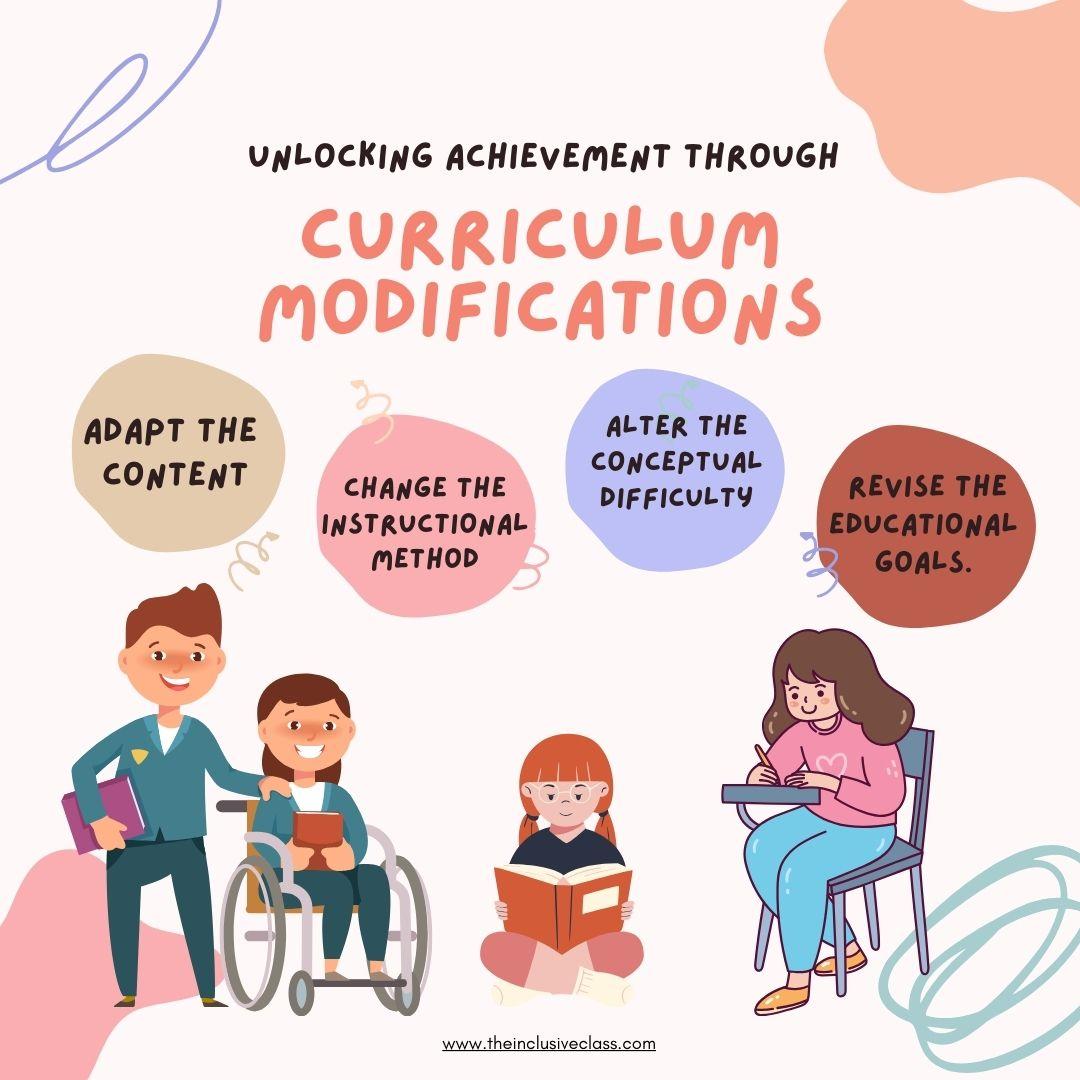
Designing Inclusive Curricula for Diverse Learners: Key Strategies for Effective Classroom Success
In today’s increasingly diverse classrooms, creating an inclusive curriculum isn’t just best practice—it’s essential for effective teaching and equitable student outcomes. Whether you’re an educator, school leader, or curriculum designer, understanding how to build learning experiences that honor and support every learner’s unique background and abilities can transform education. This comprehensive guide explores actionable strategies, benefits, and real-world examples of designing inclusive curricula for diverse learners.
What Is Inclusive Curriculum Design?
Inclusive curriculum design refers to the intentional development of learning materials, activities, and assessments that accommodate the wide range of student differences—including cultural, linguistic, cognitive, social-emotional, and physical needs. The goal is to ensure every student, irrespective of background or ability, feels represented, respected, and empowered to achieve classroom success.
- Diverse learners: Students who vary by culture, language, learning style, ability, socio-economic status, and more.
- Equitable learning: Providing tailored support so all students have access to quality education and opportunities for success.
- Effective classroom success: Achieving positive academic, social, and emotional outcomes for every learner.
Why Is Designing Inclusive Curricula for Diverse Learners So Important?
The modern classroom reflects a tapestry of experiences,perspectives,and needs. Inclusive curriculum design:
- Promotes equity and social justice in education
- Boosts student engagement and motivation by making learning relevant and accessible
- Reduces learning barriers, fostering academic achievement for all
- Supports positive social-emotional growth through respect and belonging
Key Strategies for Designing Inclusive Curricula
Implementing an inclusive curriculum requires thoughtful planning and a commitment to continuous betterment. Here are the most effective strategies to build inclusive and successful classrooms:
1.Adopt Universal Design for Learning (UDL) Principles
- Multiple Means of Representation: Present information in various formats—text, audio, visuals, interactive media—to support diverse learning preferences.
- Multiple Means of Action and Expression: allow students to demonstrate understanding through essays, presentations, art, projects, or technology.
- Multiple Means of Engagement: Offer choices in topics, activities, and assessments to honor interests and increase motivation.
2. Culturally Responsive Teaching
- Integrate diverse cultural perspectives, stories, and examples across subjects.
- Ensure classroom materials reflect the backgrounds and identities of all learners.
- Value and encourage students’ home languages alongside English or target language.
3. Scaffold Instruction and Differentiate
- Break complex topics into smaller, manageable steps.
- Use graphic organizers, guided notes, and “think alouds.”
- Provide tiered assignments—varying in complexity and support—to accommodate readiness levels.
4. Integrate Social-emotional Learning (SEL)
- Foster a classroom environment centered on respect, empathy, and collaboration.
- Incorporate activities that build self-awareness, decision-making, and interpersonal skills.
5. Use Formative Assessment and Feedback
- Check for understanding frequently and adjust instruction based on student needs.
- Provide timely, constructive feedback focused on growth and progress.
- Encourage self-reflection and goal-setting among students.
Benefits of Inclusive Curriculum for Diverse Learners
- Improved Academic Performance: Tailored instruction helps all students reach their potential.
- Enhanced Engagement and Motivation: Relevant, relatable content fosters enthusiasm for learning.
- Greater Sense of Belonging: Diverse identities, backgrounds, and abilities are acknowledged and celebrated.
- Reduced Behavioral Challenges: Supportive environments decrease frustration and disruptive behaviors.
- Readiness for Real-World Success: Inclusive classrooms mirror the diversity students will encounter in life and work.
Practical Tips for Implementing Inclusive Curriculum Design
- Audit Existing Curriculum: Identify gaps in representation,accessibility,and responsiveness to student needs.
- Collaborate with Colleagues: Work with other educators, inclusion specialists, ELL teachers, and families for a well-rounded viewpoint.
- Utilize Assistive Technology: Explore tools and resources (screen readers, text-to-speech, captioning) to support accessibility.
- Offer Flexible Grouping: Mix students for collaborative work,considering abilities,interests,and backgrounds.
- Gather Student Voice: Survey students about their interests, cultural backgrounds, and preferred learning styles, then integrate their input.
- Reflect and Revise: Continuously review your curriculum based on student feedback, data, and new research.
case Study: Inclusive Curriculum Success in Practice
Ms. Amani’s 7th Grade Social Studies Class
In an urban middle school, Ms. Amani faced a classroom of students from diverse linguistic and cultural backgrounds. She revamped her curriculum through the following inclusive strategies:
- Included ancient narratives from multiple cultures and perspectives in each unit.
- Used bilingual texts and multimedia resources to accommodate English language learners (ELLs).
- Offered project-based assessments where students could choose topics aligned with their identities and communities.
- Held regular class discussions on respecting differences and recognizing bias in history.
The results? Student participation, engagement, and achievement soared, and a classroom culture of curiosity and mutual respect was fostered.
First-Hand Experiance: Teacher’s Voice
“When I started embracing inclusive curriculum design, I noticed my students not only performed better but also felt seen and valued. The energy in the classroom shifted—students collaborated more, shared their stories, and took risks in their learning. It wasn’t always easy, but the results were absolutely worth it.”
– Mrs. Sofia Alvarez, Elementary Teacher
Conclusion: The Path to Classroom Success
designing inclusive curricula for diverse learners is more than a philosophy—it’s a proven strategy to boost classroom success for every student. By employing universal design, culturally responsive teaching, differentiation, and ongoing reflection, educators equip all learners to excel academically and thrive emotionally. Inclusive curriculum design is not a one-time effort, but a continuous journey towards educational equity and excellence.
Ready to create truly inclusive learning environments? Start small, collaborate frequently enough, and remember: every step toward inclusivity is a step toward classroom success for all.