
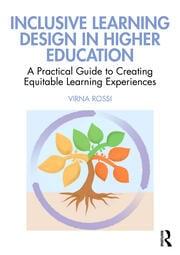
Designing Inclusive curricula for Diverse Learners: Key Strategies for Equitable Education
Equitable education is at the heart of creating an empowered, innovative, and compassionate society. As our classrooms become increasingly diverse, designing inclusive curricula for diverse learners is not just a pedagogical priority but a necessity to ensure that every student has access to meaningful learning opportunities. In this thorough guide, we’ll explore key strategies, practical tips, benefits, and case studies that can help educators build curricula that embrace diversity, foster inclusion, and promote equity for all.
Why Inclusive Curriculum Matters in 21st Century Education
Inclusive curricula promote equitable education by acknowledging and meeting the needs of students from varied backgrounds, abilities, and learning styles. The significance of this approach lies in its ability to:
- Enhance Student Engagement: Tailoring learning materials and approaches draws in learners by reflecting their experiences.
- Reduce Achievement Gaps: Inclusive practices help bridge gaps in outcomes among students wiht different cultural, linguistic, or neurodiverse profiles.
- Promote Social Justice: Fostering equity in education prepares students to thrive and participate proactively in diverse communities.
- Strengthen Personal Identity: Representing diverse cultures and perspectives fosters self-worth and pride among students.
Key Strategies for Designing Inclusive Curricula
Creating an effective inclusive curriculum requires intentional planning and thoughtful implementation. Below are essential strategies and principles:
1. Apply Global Design for Learning (UDL)
Universal Design for Learning is an educational framework that removes barriers to learning by offering multiple means of depiction,engagement,and expression.
- Present information in various formats (text, visuals, audio, video).
- Create flexible assessments (oral, writen, performance-based).
- Encourage student choice and autonomy in assignments.
2. Recognize and Value Diversity
Acknowledge the rich tapestry of student backgrounds—culture, language, ability, gender identity, socioeconomic status—and intentionally integrate these into yoru curriculum.
- Include diverse authors, ancient figures, and themes in materials.
- Celebrate milestones, achievements, and traditions from various cultures.
- Use culturally responsive pedagogy to connect learning to students’ lived experiences.
3. Collaborate with Stakeholders
An inclusive curriculum embraces the expertise of teachers, families, community partners, and, crucially, students themselves.
- Invite feedback and suggestions from families and learners.
- Establish continuous professional development for educators on equity and inclusion.
- Build partnerships with community organizations supporting marginalized groups.
4. Differentiate Instruction
Differentiation means tailoring teaching methods and content to address individual differences.
- Provide scaffolded supports for struggling learners while offering extension activities for advanced students.
- Offer varied groupings (peer tutoring, cooperative learning, autonomous projects).
- Pair visual aids, manipulatives, and accessible technology with lessons.
5. Integrate Social-Emotional Learning (SEL)
Social-emotional learning builds critical skills for self-awareness, collaboration, and resilience. an inclusive curriculum should foster a safe, welcoming habitat.
- Incorporate SEL lessons that honor differences and model empathy.
- Teach conflict resolution and active listening.
- Encourage open dialog around identity, inclusion, and equity.
6. Assess and Adjust Regularly
Routine reflection and assessment are vital to ensuring your curriculum remains relevant and effective.
- Use formative and summative assessments aligned with diverse learning needs.
- Solicit anonymous feedback from students on how included and supported they feel.
- Revisit and revise content as demographics and contexts change.
Benefits of an Inclusive Curriculum for Diverse Learners
Making curricula inclusive is not just about fairness—it tangibly improves learning outcomes and school climate. Key benefits include:
- Higher Academic Achievement
Students see themselves reflected, fostering motivation and effort. - Better Social Integration
Classrooms become spaces of friendship, respect, and acceptance. - strengthened Critical Thinking
Exposure to varied perspectives cultivates deeper analysis. - Reduced Absenteeism and Dropout Rates
Students who feel valued are more likely to stay engaged in schooling.
Practical Tips for Implementing Inclusive Curricula
- Audit Your Existing Materials: Identify strengths and gaps in representation,accessibility,and relevance.
- Start Small: Pilot lessons or modules before scaling up whole-school reforms.
- Leverage Technology: Use adaptive tools and digital resources to personalize learning.
- Empower Student Voice: Create feedback loops, student-led projects, and opportunities for classroom leadership.
- Prioritize Professional Development: Ensure staff have access to ongoing training in equity, inclusion, and trauma-informed instruction.
Case Studies: Inclusive Curricula in Action
Case Study 1: A Multilingual Approach in Primary Education
A primary school in California serving a diverse student population adopted a dual-language program. Teachers collaborated with community elders to develop culturally responsive lessons, integrated native stories and languages into the curriculum, and embraced project-based learning.Students showed improved test scores, confidence in expressing their identities, and strong inter-peer relationships.
Case Study 2: Technology-Enabled Accessibility in Secondary Science
An urban high school leveraged technology to increase accessibility for students with disabilities.Digital textbooks, speech-to-text software, and adjustable learning pathways enabled students to access materials in ways that matched their needs. The school saw critically important increases in science course completion rates and overall student satisfaction.
Case Study 3: SEL Integration in a Rural Middle School
Teachers in a rural district embedded SEL themes into daily lessons—focusing especially on self-advocacy and cultural awareness. The curriculum included peer mediation programs and student reflection journals. As a result, students reported higher levels of well-being and a decrease in incidents of bullying.
First-Hand Experience: Voices from the Classroom
“As a teacher, I saw transformative growth in my students when we began routinely incorporating diverse voices and flexible assessment options. Even the shyest students blossomed when given choices—they felt seen and heard.inclusive curricula are not ‘extra work’; they are the essential foundation for real learning.”
– Alex R.,High School Educator
“When my son started at a school that celebrated his heritage and specific learning needs,his confidence soared. Inclusive education goes beyond access; it’s an embrace.”
- Maria G., Parent
Conclusion: Advancing Equity Through Inclusive Curriculum Design
Inclusive curriculum design is both a challenge and an possibility—a call to rethink conventional paradigms and embrace belonging as a core educational value. By applying key strategies such as Universal Design for Learning, cultural responsiveness, stakeholder collaboration, and differentiated instruction, we can build learning environments where diversity is celebrated, and equity is actualized.
Schools, districts, and educators who prioritize inclusive curricula for diverse learners do more than teach content—they transform lives. By recognizing each learner’s unique strengths and needs, we move closer to realizing the full promise of equitable education for all.
Ready to implement inclusivity in your classroom or district? Explore our curated resources, toolkits, and ongoing professional development opportunities to further your journey toward equitable education for all!