
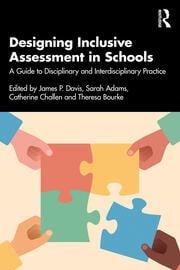
Designing Inclusive Curricula for Diverse Learners: Strategies for Educational Equity
In today’s rapidly evolving educational landscape, the importance of designing inclusive curricula cannot be overstated. Classrooms now serve an increasingly diverse range of learners—spanning differences in ability,culture,language,socioeconomic background,and learning style. To ensure educational equity, educators and curriculum designers must craft learning experiences that empower every student to succeed. This guide explores proven strategies for inclusive curriculum design, the benefits of embracing diversity, and actionable tips for achieving educational equity in your classroom or institution.
What Is an Inclusive Curriculum?
An inclusive curriculum actively recognizes and values the varied backgrounds and experiences students bring to the classroom. It strives to remove barriers to learning by adapting content, pedagogy, assessment, and environment to support every learner equitably. In essence, an inclusive curriculum goes beyond accommodation; it proactively creates a learning environment where all students can thrive.
- Equitable access to learning resources and opportunities
- Recognition of student diversity and intersectionality
- Versatility in content delivery, assessment, and participation
- Embracing multiple learning styles and abilities
- Promotion of respect, equity, and cultural competency
Why Inclusive curriculum Design Matters
The ultimate goal of educational equity is to achieve fair and meaningful outcomes for every student, regardless of their background. By implementing inclusive curriculum strategies,educators can:
- Close achievement gaps among marginalized or underrepresented groups
- Foster higher engagement and motivation
- Develop social-emotional skills and a sense of belonging
- Prepare students for global citizenship and multicultural workplaces
- Promote empathy,respect,and collaboration among peers
Inclusive education is not just a moral and legal imperative,but also enriches the academic experience for everyone in the classroom.
core Principles of Inclusive Curriculum Design
Effective inclusive curricula are grounded in principles that foster equity,access,and participation:
- Global Design for Learning (UDL): UDL is a research-based framework that emphasizes designing content and activities to meet the diverse needs of all learners. It focuses on providing multiple means of portrayal, engagement, and expression.
- Culturally Responsive Teaching: Build curriculum around students’ cultures, backgrounds, and lived experiences to foster relevance and engagement.
- Anti-bias and Equity: Proactively address barriers, stereotypes, and biases that affect learning and participation.
- Student-Centered Learning: Shift the focus from content delivery to students actively engaging with and constructing knowledge.
- Collaboration and Flexibility: Encourage varied group work, peer learning, and adaptive assessment strategies.
Practical Strategies for Designing Inclusive Curricula
Ready to begin designing a truly inclusive curriculum? Consider these proven strategies:
1. Integrate Universal Design for Learning
- Offer facts in multiple formats (text, audio, visuals, interactive)
- Give students varied ways to express what they know (projects, presentations, written or oral assessments)
- Remove unneeded complexity or jargon from instructions and materials
2. Diversify Content and Perspectives
- Include voices, authors, histories, and examples from a range of cultures, genders, and experiences
- Use real-world examples that resonate with your specific student community
- Regularly audit curriculum for biases or gaps in representation
3. Foster an inclusive Classroom Climate
- Set clear expectations for respectful dialog and behavior
- Utilize group norms and collaborative problem-solving strategies
- celebrate different ways of knowing and learning in classroom discussions
4. Scaffold Learning for Equity
- Break tasks into smaller, achievable steps with clear supports
- build background knowledge before introducing complex concepts
- Provide models and exemplars for assignments or problem-solving processes
5. Offer Flexible Assessments and Feedback
- Allow students to demonstrate understanding in a variety of ways
- Use formative assessments and provide timely, specific feedback
- involve students in the assessment process and goal-setting
Benefits of Inclusive Curriculum for Diverse Learners
The adoption of inclusive educational practices results in numerous benefits, both for students and educators:
- Improved Academic outcomes: Students who see themselves reflected in the curriculum are more likely to participate actively and perform better.
- Enhanced Student Well-being: A sense of belonging reduces stress and promotes mental health among all learners, especially those from historically excluded groups.
- Strengthened Social Cohesion: Inclusive classrooms foster relationships and understanding across differences, preparing students for collaborative work environments.
- Increased Teacher Satisfaction: Educators who design for inclusion often report higher engagement, innovation, and satisfaction in their teaching practise.
Case Study: Inclusive curriculum in Action
case Example: A middle school in Ontario noticed disparities in academic achievement and engagement among its indigenous students. In response, the school implemented a collaborative inclusive curriculum project involving Indigenous educators, students, and local elders. Together, they integrated First Nations literature, history, and learning traditions into the curriculum.
Results: Within two years, not only did Indigenous student achievement improve, but all students demonstrated greater empathy, cross-cultural collaboration, and critical thinking skills. The school’s approach was later recognized at a provincial level for its commitment to educational equity.
Practical Tips for Educators: Getting Started
- Audit your current curriculum: Analyze for representation, stereotypes, and barriers.
- Invite student and community voices: Collect feedback and draw on the lived experiences of your students and their families.
- Develop accessible materials: Use readable fonts, alt-text for images, and transcripts or captions for multimedia.
- Continuous professional growth: Invest in training on inclusive practices, anti-bias education, and culturally responsive pedagogy.
- Leverage technology: embrace assistive technologies, learning management systems, and multi-modal instructional tools to reach all learners.
- foster peer learning: Structure heterogeneous groups where students learn from one another’s strengths and experiences.
Conclusion: Building a Future of Educational Equity
designing inclusive curricula for diverse learners is not a one-time initiative, but an ongoing process that requires commitment, reflection, and collaboration. By embracing diversity and prioritizing educational equity, educators play a pivotal role in ensuring that every student can access high-quality learning and realize their full potential.
Start small—evaluate your current materials and make incremental changes. Engage with your students’ voices and stories. Explore professional learning communities focused on inclusive education. Through consistent, intentional action, we can foster a more just, innovative, and inclusive future for all learners.
Interested in more resources about educational equity and inclusive curriculum design? Subscribe to our newsletter for the latest insights and classroom-ready strategies.