
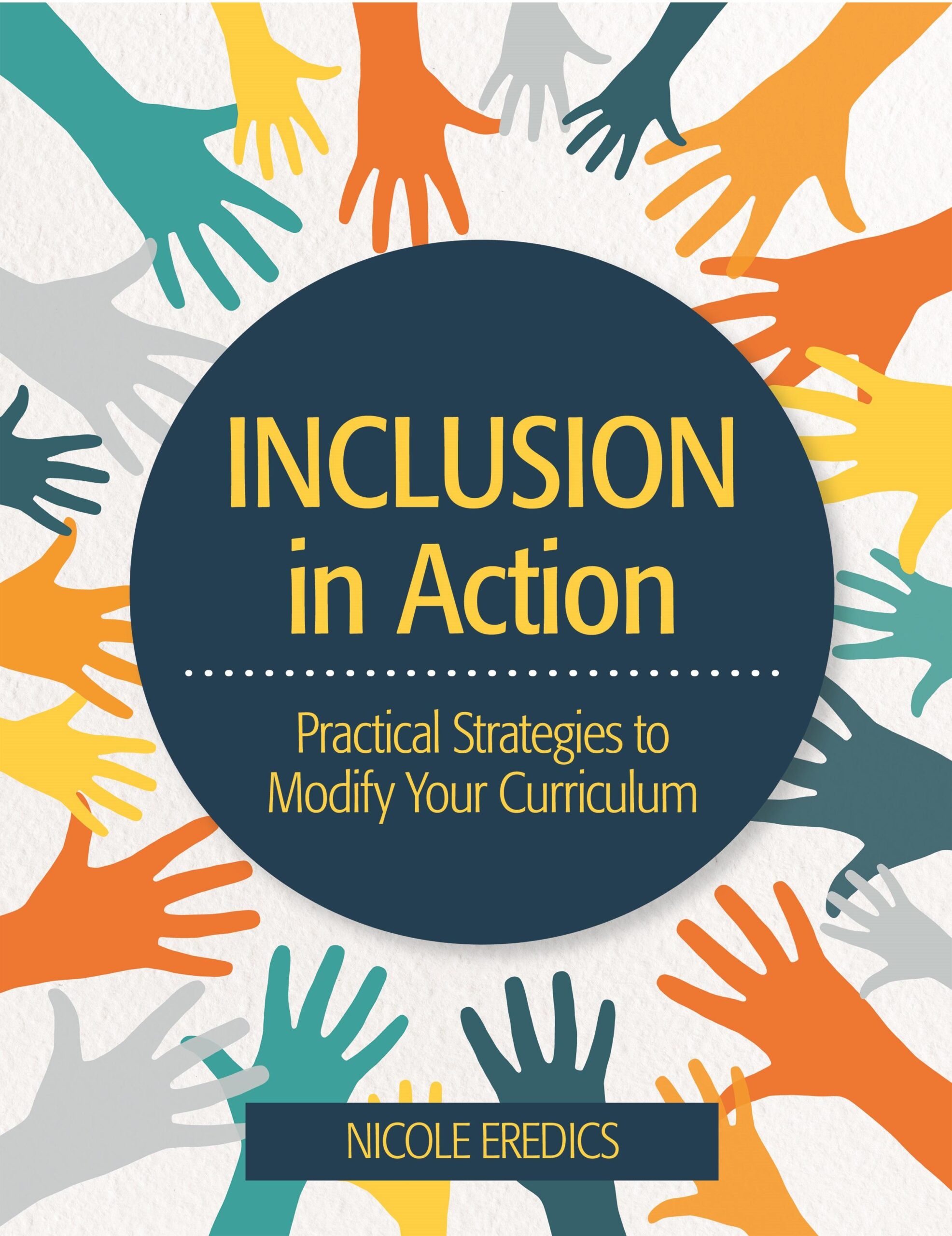
Designing Inclusive Curricula for Diverse Learners: Strategies for Effective and Equitable Classrooms
in today’s rapidly evolving educational landscape, inclusive curricula have become essential for creating classrooms where diverse learners can thrive. As schools welcome students from a variety of backgrounds, abilities, and learning styles, educators are challenged too design learning experiences that are both effective and equitable.This comprehensive guide explores actionable strategies and best practices for designing inclusive curricula that support every student’s success.
Why Inclusive Curriculum Design Matters
An inclusive curriculum ensures all students—regardless of their cultural background, language proficiency, socio-economic status, or learning abilities—recieve meaningful access to learning. By integrating principles of diversity and equity, inclusive classrooms:
- Promote a sense of belonging for diverse learners
- Address achievement gaps and reduce bias
- Foster critical thinking and empathy
- Prepare all students for a multicultural, global society
Prioritizing equitable classrooms isn’t just about compliance—it’s about empowering every learner.
Core Principles of Inclusive Curriculum Design
- Universal Design for Learning (UDL): UDL is a research-based framework that guides the development of flexible learning environments, accommodating individual learning differences.
- Differentiation: Adapting instruction, content, and assessment to meet varied readiness levels, interests, and learning profiles.
- Cultural Responsiveness: Integrating diverse perspectives and connecting learning to students’ cultural experiences.
- Accessibility: Ensuring that all learning materials and activities are accessible to students with disabilities or language barriers.
Strategies for Designing Inclusive Curricula
1. Know Your Learners
Begin by getting to know your students’ backgrounds, strengths, and needs. Use formative assessments, surveys, and observations to gather data, and:
- Recognize students’ cultural backgrounds and home languages
- Identify varied learning styles and interests
- Understand special educational needs and supports
2. Implement Universal design for Learning (UDL)
UDL empowers teachers to provide multiple means of representation, engagement, and expression. Such as:
- Offer content in diverse formats: text, audio, video, and hands-on activities
- Allow students to demonstrate understanding through essays, presentations, or projects
- Build in choices that foster autonomy and motivation
3.Differentiate Instruction and assessment
Differentiation goes beyond “one size fits all.” To meet the needs of diverse learners:
- Adjust content complexity and pacing
- Group students flexibly for collaboration
- tailor assignments and assessments to individual learning paths
4. Embed Culturally Responsive Teaching
Culturally responsive teaching affirms students’ identities and backgrounds within the curriculum.To do this:
- Include literature,examples,and historical perspectives from a range of cultures
- Celebrate diversity through classroom discussions and projects
- Encourage students to share their own experiences and viewpoints
5.Ensure Accessibility
Remove barriers to learning by making all materials and activities accessible. Consider:
- Providing captions or transcripts for audio and video content
- Using high-contrast visuals and readable fonts
- ensuring digital materials are compatible with screen readers
- Providing additional language support for English language learners
6.Foster Social-Emotional Learning (SEL)
SEL practices help create a supportive, welcoming climate for all students. Some tips:
- Teach empathy,collaboration,and conflict resolution
- Model respectful communication
- Provide regular,positive feedback and celebrate growth
Benefits of an Inclusive Curriculum
Designing inclusive curricula offers lasting positive impacts on both students and educators:
- Improved Academic Outcomes: Students are more engaged and achieve higher when they see their identities represented.
- Greater Equity: Barriers are minimized, giving all students fair opportunities to succeed.
- Enhanced Social Skills: Students learn to appreciate diversity and practice empathy.
- Teacher Satisfaction: Educators feel more effective and connected to their students.
Practical Tips for Teachers and Curriculum Designers
- Collaborate with Colleagues: Work with special education teachers, language specialists, and counselors to plan inclusive lessons.
- Use Student Voice: Invite feedback from students on what helps (or hinders) their learning experience.
- Continuously Reflect and Revise: Curriculum design is an ongoing process. Analyze data and update strategies to meet evolving needs.
- Leverage Technology: Use apps and digital tools that support accessibility and differentiation—for example, text-to-speech software and collaborative platforms.
Case Study: Inclusive curriculum in Practice
At Green Valley Elementary,the faculty redesigned their social studies curriculum using UDL and culturally responsive teaching. Teachers introduced:
- Reading assignments at varied complexity levels (including visual summaries for emerging readers)
- Student group projects exploring diffrent cultural traditions in their community
- Opportunities for multilingual students to present research in their home language
- Consistent reflection time for social-emotional learning and peer feedback
The results? Increased participation from students with learning differences, more positive peer interactions, and improved academic performance across the board.This example highlights the transformative power of designing inclusive curricula for diverse learners.
Conclusion: Building Equitable and Effective Classrooms for All
Embracing inclusive curriculum design is vital for ensuring every student can access high-quality education, regardless of their varied backgrounds or abilities. By implementing the strategies discussed—knowing your learners, applying UDL, differentiating instruction, embedding cultural responsiveness, and prioritizing accessibility—educators can foster equitable classrooms where diverse learners truly excel.
As we strive toward more effective,engaging,and humane classrooms,remember: inclusion is not a one-time initiative but an ongoing commitment. Start small, remain reflective, and collaborate with your school community to make inclusivity the foundation of every lesson.