
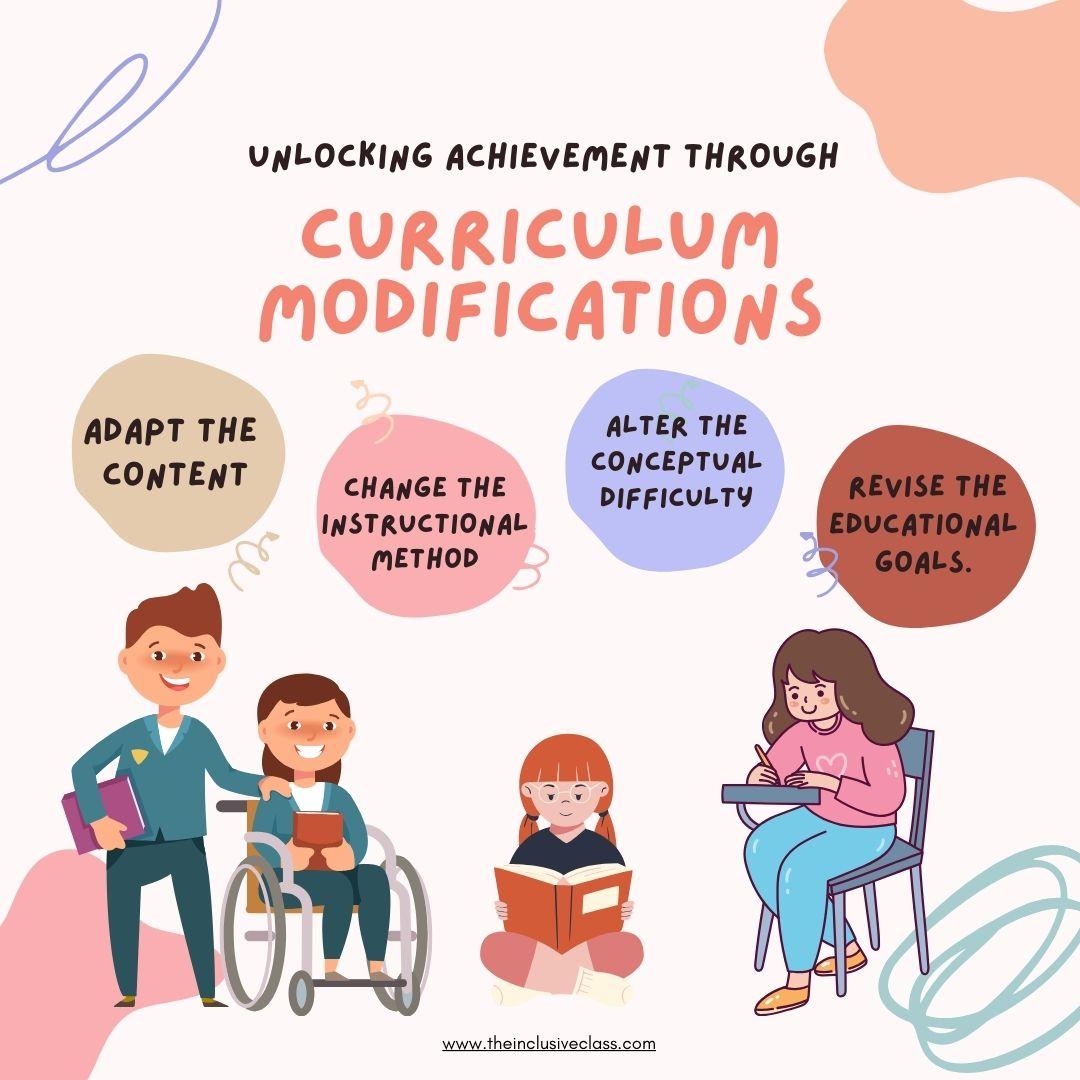
Designing Inclusive Curricula for Diverse Learners: Strategies for Effective and Equitable Education
In today’s ever-evolving educational landscape, designing inclusive curricula for diverse learners is more important than ever. Classrooms are filled with students from varied cultural backgrounds, abilities, learning preferences, and experiences. Creating an equitable education system means providing each learner with the support, access, and resources they need to succeed. This extensive guide explores key strategies, practical tips, and real-world insights to help educators build truly inclusive learning environments, ensuring no learner is left behind.
What is an Inclusive Curriculum?
An inclusive curriculum is a structured learning program designed to meet the needs of all students, irrespective of their backgrounds or abilities. It respects diversity, promotes equity, and removes barriers to learning by incorporating flexible teaching methods, accessible content, and diverse perspectives.
- Accessibility: Ensures that learning materials are usable by everyone, including students with disabilities.
- Representation: Reflects a broad spectrum of cultures, experiences, and identities.
- Versatility: Adapts to various learning styles and preferences.
- Equity: Provides support tailored to each learner’s unique needs.
Benefits of Inclusive Curriculum Design
Implementing an inclusive curriculum brings numerous benefits to both students and educators:
- Boosts Academic Achievement: Inclusive strategies ensure all learners can access and engage with the curriculum, leading to higher achievement levels.
- Fosters a Sense of Belonging: Students see their identities and experiences reflected in what they learn, enhancing engagement and reducing feelings of isolation.
- Prepares Students for a Diverse World: Exposure to diverse perspectives develops empathy, global awareness, and collaborative skills.
- Reduces Gaps in Learning: By addressing barriers, educators can close achievement gaps among student groups.
Key strategies for Designing Inclusive Curricula
Crafting an inclusive curriculum for diverse learners requires intentionality and reflection. Consider these essential strategies:
1. Universal Design for Learning (UDL)
UDL is a framework that guides the growth of flexible learning environments to accommodate individual learning differences. Its three key principles are:
- Multiple Means of Representation: Present details in different ways (visual,auditory,text-based,multimedia).
- Multiple Means of Engagement: Offer various ways to motivate and involve students (projects, discussions, self-paced tasks).
- Multiple Means of Expression: Let students demonstrate their learning through different formats (essays, presentations, creative projects).
2. Culturally Responsive Teaching
Ensure the curriculum reflects and values the cultural backgrounds of all students. Strategies include:
- Selecting diverse authors and case studies.
- Addressing current events and issues from multiple cultural viewpoints.
- Encouraging students to share their own experiences and perspectives.
3. Differentiation
- Offer varied activities and assignments tailored to students’ readiness and interests.
- Provide scaffolding and option resources for students who require additional support.
- Allow flexible grouping and peer collaboration.
4. Accessibility and Assistive Technology
- Ensure all digital content meets accessibility standards (such as WCAG 2.1).
- Use captioned videos, alt text in images, and readable fonts.
- Leverage assistive technologies like screen readers,speech-to-text,and dialogue tools.
5. Ongoing Assessment and Feedback
- Use formative assessments to monitor progress and adjust teaching strategies.
- Gather student feedback regularly to improve inclusivity and engagement.
- promote self-assessment and reflection among learners.
Practical Tips for Implementing Inclusive Curricula
Moving from theory to practice is essential for meaningful change. Here are actionable steps to integrate inclusivity into yoru everyday teaching:
- Audit Your Curriculum: Review current syllabi and materials to identify gaps in representation or accessibility.
- Collaborate with Others: Work with colleagues, parents, and community members to gather diverse input.
- Professional Development: Engage in training focused on diversity,equity,and inclusion.
- Utilize Student Voice: Solicit ideas and feedback from students on how they learn best and what topics resonate with them.
- Iterate and Improve: View inclusivity as an ongoing process; continually seek out resources and refine your approach.
Case Study: Inclusive Practices in Action
Lincoln Elementary School implemented an inclusive curriculum by embedding UDL principles and culturally relevant content. Teachers redesigned lessons to include multiple modes of learning and consistently used technology to support accessibility. Such as, an 8th-grade history unit asked students to research contributions of women and minority groups, present findings through podcasts, digital storytelling, or posters, and reflect on their learning journey. This inclusive approach saw increased engagement, improved academic outcomes, and a stronger sense of community among students.
First-Hand Experiance: Teacher Insights
“When I shifted my curriculum to include more multicultural resources and provided choice in assignments, I noticed a dramatic increase in participation. Students who rarely spoke up before began sharing their backgrounds and connecting lessons to their own lives. Creating an inclusive classroom is challenging, but the rewards for my students—and myself—have been tremendous.” – Maria Chen, Middle School Teacher
Overcoming Common Challenges
- Limited Resources: Seek out open educational resources (OER) and free digital tools to enhance inclusivity.
- Time Constraints: Start with small changes, such as adapting one lesson or activity, and build gradually.
- Resistance to Change: Provide evidence of the positive impact of inclusive practices; share case studies and success stories with stakeholders.
Conclusion: Building a Future-Proof, Inclusive Education System
Designing inclusive curricula for diverse learners isn’t just a trend—it’s a vital part of ensuring effective and equitable education for every student. By embracing accessibility, culturally responsive teaching, differentiation, and continuous feedback, educators lay the groundwork for success in a diverse and interconnected world. Ongoing commitment to inclusivity transforms not only student outcomes but also the entire educational experience.Let’s work together to ensure all learners feel seen, heard, and empowered in our classrooms.