
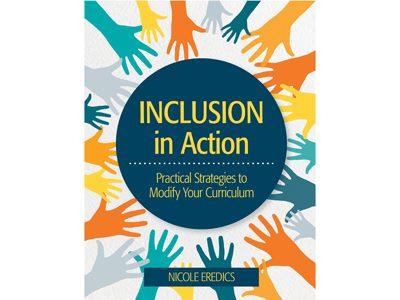
Designing Inclusive Curricula for Diverse Learners: Strategies for Effective Classroom Equity
Introduction: The Imperative for Inclusive Curriculum Design
The 21st-century classroom is a vibrant tapestry woven with students from diverse backgrounds, cultures, abilities, and learning styles. As educators and school leaders seek to deliver meaningful and equitable education, the importance of designing inclusive curricula for diverse learners cannot be overstated. effective classroom equity strategies ensure that every student feels valued, respected, and empowered to reach their fullest potential.
This article explores actionable strategies for developing inclusive curricula, highlights the benefits of educational equity, and offers practical tips for implementation. Whether you’re a teacher, curriculum developer, or administrator, you’ll find insights here to foster a more equitable learning habitat for all.
Understanding Inclusive Curricula and Classroom Equity
Inclusive curriculum design refers to the practice of creating learning experiences that acknowledge and accommodate the diverse needs, interests, and backgrounds of all learners. At its core, classroom equity means providing fair and appropriate access to learning opportunities for students regardless of their race, ethnicity, language, ability, gender, or socioeconomic status.
Key characteristics of inclusive curricula include:
- Reflecting diverse perspectives and voices in course materials
- Offering multiple means of representation and assessment
- Valuing different ways of learning and knowing
- Addressing barriers to participation and achievement
- Promoting culturally responsive teaching practices
Why Inclusive Curricula Matter: benefits of Equity in education
Embracing diversity and inclusion in curriculum design offers profound benefits for students, educators, and communities.Here are some of the top reasons to prioritize classroom equity:
- Boosts Academic Performance: students who see themselves reflected in the curriculum are more engaged and motivated to learn.
- Develops Critical Thinking: Exposure to diverse perspectives helps students build empathy and analytical skills.
- Reduces Achievement Gaps: Tailored supports and interventions address disparities in access and prospect.
- Prepares for a Diverse World: Equitable education fosters global citizenship and prepares students for real-world challenges.
- Enhances social-Emotional Well-being: Inclusive environments cultivate a sense of belonging and self-worth.
Strategies for Designing Inclusive Curricula for Diverse Learners
Building an inclusive curriculum for diverse learners involves intentional planning, thoughtful content selection, and ongoing reflection.Here are proven strategies to foster classroom equity:
1. Incorporate Universal Design for Learning (UDL)
Universal Design for Learning principles advocate designing curriculum that meets the needs of all learners from the outset. UDL encourages providing multiple means of:
- Representation (ways information is presented)
- engagement (ways to motivate and involve learners)
- Expression (ways students can demonstrate knowledge)
Example: Offer texts in various formats (audio, print, digital), allow visual or oral presentations, and provide choices in assessment.
2. Integrate Culturally Responsive Teaching
Culturally responsive teaching values and leverages students’ cultural backgrounds as assets. Curriculum should reflect and celebrate diverse cultures, histories, and perspectives.
- use diverse literary texts, historical accounts, and media
- Invite students to share their experiences and traditions
- Explore global issues from multiple viewpoints
3. Differentiate Instruction and Assessment
Different learners have varied readiness levels, interests, and learning preferences. Differentiated instruction means adapting content, process, product, and learning environment to meet these needs.
- Offer tiered assignments
- Provide enrichment and remediation opportunities
- Allow flexible grouping and peer learning
4. Create Accessible learning Environments
Ensure all learners, including those with disabilities, can engage fully with the curriculum.Implement accessibility best practices such as:
- Using readable fonts and high-contrast visuals
- Providing captioned or transcribed audio/video material
- Ensuring digital resources are compatible with assistive technologies
- Offering option formats (Braille, large print)
5. foster Student Voice and Choice
Empower students to make decisions about their learning paths. When learners have agency, they become more invested in their education.
- Involve students in setting learning goals
- Let students select topics or project formats that interest them
- Create classroom routines that value input and feedback
6. Build a Safe and Inclusive Classroom Culture
An equitable curriculum flourishes in a respectful, supportive classroom environment. Recognize and challenge bias, uphold high expectations for all learners, and celebrate diversity.
- Set ground rules for respectful discourse
- Use restorative practices to resolve conflicts
- Acknowledge and address microaggressions or exclusion
Practical Tips for Implementing Equitable Curriculum Design
- Audit Existing Curriculum: Regularly review materials for representation, bias, and accessibility.
- Engage stakeholders: Involve students, families, and community members in curriculum planning and decision-making.
- Offer Professional Progress: Provide ongoing training for educators on diversity, equity, and inclusion.
- Use Data to Inform Practice: Monitor student progress and participation to identify disparities and respond proactively.
- Leverage Technology: Utilize digital tools and resources to personalize learning and make content more accessible.
- Create Feedback Loops: Encourage regular feedback from students about their learning experiences and act on their input.
Case Study: Inclusive Curriculum in Action
Consider the example of Maple Grove Middle School, which redesigned its English Language Arts curriculum to enhance inclusivity and equity. Teachers collaborated to diversify reading lists by including books written by authors from various cultural backgrounds and addressing relevant social issues.
The school adopted UDL principles by offering multiple project options—such as podcasts, visual art, and blogs—in addition to traditional essays. Students were encouraged to draw connections between course content and their own lives, fostering a sense of belonging and meaning.
The results? Increased engagement across previously underrepresented groups,improved literacy scores,and stronger relationships between students and staff. This transformative approach demonstrates the power of inclusive curriculum design in achieving classroom equity.
First-Hand Experience: Voices from the Classroom
Ms. Thompson, a high school science teacher, shares her outlook:
“After revising my curriculum to incorporate project-based learning and texts reflecting my students’ backgrounds, I noticed a shift. One of my students, who rarely participated before, led a class discussion about the importance of indigenous knowledge in environmental science. Designing with inclusion in mind opened doors for students who felt invisible in traditional settings.”
Conclusion: building an Equitable future, One curriculum at a Time
designing inclusive curricula for diverse learners is not a one-time initiative but an ongoing commitment to educational excellence and justice. By embracing classroom equity strategies, educators can break down barriers, close achievement gaps, and empower every student to succeed.
Whether you’re just beginning your equity journey or seeking to deepen your practice, remember: Small steps make a big difference. Audit your curriculum, listen to your students, and continue learning. The pathway to effective classroom equity begins with thoughtful, inclusive curriculum design—and the rewards benefit us all.