
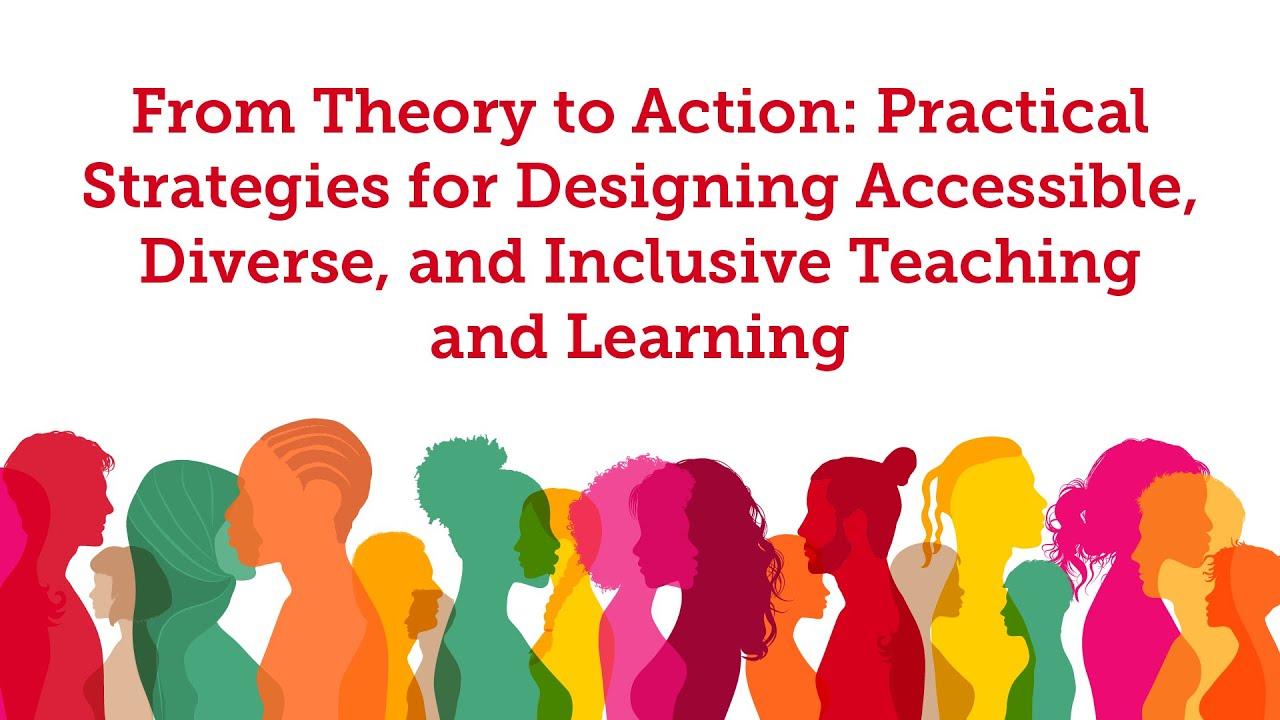
Designing Inclusive Curricula for Diverse Learners: Strategies for Effective Classroom Integration
In today’s rapidly changing educational landscape, the importance of designing inclusive curricula for diverse learners cannot be overstated. Classrooms are more diverse than ever, encompassing students of different cultural backgrounds, languages, learning needs, and abilities. integrating effective strategies for inclusive curriculum design ensures every learner feels valued, supported, and equipped to succeed.
What is an Inclusive Curriculum?
An inclusive curriculum is a learning framework that recognizes and respects the diverse abilities, backgrounds, and identities of students.It aims to provide equitable access to learning opportunities by adapting content, teaching methods, and assessments to meet varied needs.
- Diverse Learners: Students with varying cultures,languages,abilities,socioeconomic backgrounds,and learning styles.
- Classroom Integration: Strategies to ensure all students participate and engage meaningfully within a shared learning habitat.
- Accessibility and Equity: Providing materials and opportunities that every student can access and benefit from equally.
Why is Designing Inclusive Curricula Essential?
By designing inclusive curricula,educators create classrooms where all students feel safe,respected,and challenged.This not only enhances academic outcomes but also fosters empathy and collaboration.
- Supports academic achievement for all learners
- Reduces gaps in learning and performance
- Increases classroom engagement and participation
- encourages social-emotional growth and cultural competency
- Prepares students for diverse workplaces and communities
strategies for Designing Inclusive Curricula
Effective inclusion blends thoughtful planning, resource allocation, and a commitment to equity. Here are proven strategies to integrate into your curriculum design:
1. Reflect Cultural and Linguistic Diversity
- Include texts, examples, and themes from various cultures and perspectives.
- Provide materials in multiple languages where possible.
- Celebrate cultural events and invite community participation.
2. differentiate Instruction
- Offer a variety of content delivery methods (visual, auditory, kinesthetic).
- Use formative assessment to understand individual needs and adjust teaching methods.
- Incorporate Universal Design for Learning (UDL) principles: multiple means of representation, expression, and engagement.
3. Make Learning Accessible
- ensure digital and print materials comply with accessibility standards (e.g., screen reader compatibility, captioned videos).
- Provide alternative formats for assignments and resources.
- Incorporate assistive technologies for learners with disabilities (e.g., text-to-speech, audiobooks).
4. Foster Safe and Supportive Environments
- Establish clear guidelines for respect, inclusion, and anti-bullying.
- Encourage collaborative group work and peer-to-peer mentoring.
- Offer social-emotional learning and support services.
5. Scaffold Learning and Assess Progress
- Break down complex tasks into manageable steps.
- Use ongoing assessments to provide timely feedback and adjust support.
- Offer extra help, such as tutoring or enrichment activities, based on student need.
6. Involve Family and Community
- Communicate regularly with parents and guardians in accessible formats.
- Encourage family involvement in classroom or school events.
- Incorporate community voices into the curriculum.
Practical Tips for Classroom Integration
Integrating an inclusive curriculum in real classrooms involves ongoing reflection and adaptation. Here are practical ways to support diverse learners daily:
- flexible Grouping: mix students for projects and activities to promote diverse collaboration and support.
- Choice in Assignments: Let students choose project topics, formats, or assessment methods that fit their strengths and interests.
- Visual Supports: Use charts,graphic organizers,and color coding to simplify complex concepts.
- Scaffolded Language: Use clear language,visuals,and repetition to help English Language Learners (ELLs) and students with processing difficulties.
- Formative Feedback: Give continual, constructive feedback rather than relying solely on high-stakes testing.
Benefits of Inclusive Curriculum Design
- Improved Academic Outcomes: Students are more likely to succeed when content is accessible and relevant.
- Greater Student Engagement: Inclusive lessons increase participation and motivation.
- Positive Classroom climate: Respectful, inclusive environments reduce behavioral challenges.
- Prepares Students for Life: Builds empathy, collaboration, and problem-solving skills crucial for the future.
Case Study: Inclusive Curriculum in Action
Case Study: Maple View Elementary – Embracing Inclusion
At Maple view Elementary, teachers redesigned their social studies curriculum to reflect the backgrounds of their increasingly diverse student body.
- They added local history from multiple cultural perspectives and guest speakers from minority communities.
- Materials were created in the top five languages spoken by families at the school.
- Ongoing feedback showed increased engagement, particularly among English Language Learners and newly arrived immigrants.
- Year-end assessment data revealed gains in both academic performance and classroom participation.
This example illustrates how intentional curriculum design drives greater equity, engagement, and achievement.
First-Hand Experience: Teacher Outlook
“As a science teacher in an urban high school, designing inclusive lessons isn’t just about accommodating different abilities—it’s about empowering every student to see themselves as a valued participant.When I integrated collaborative labs, multilingual handouts, and hands-on demonstrations, student confidence soared. The sense of belonging translated into real gains in test scores and classroom morale.”
— Ms. Latoya Robinson, Science Educator
Conclusion: The Future of Inclusive Education
Inclusion is not a trend; it’s a moral and educational imperative. By designing inclusive curricula for diverse learners and implementing effective strategies for classroom integration, educators nurture a generation of learners who are confident, compassionate, and equipped for success in a global society.
To move forward, schools should prioritize professional development in inclusive practices, involve families and communities, and continually adapt curricula to the changing needs of their students. When all learners are given equitable opportunities to thrive, everyone wins.
Ready to transform your classroom? begin today by evaluating your current curriculum using the strategies above, and take powerful steps toward a more inclusive learning environment.