
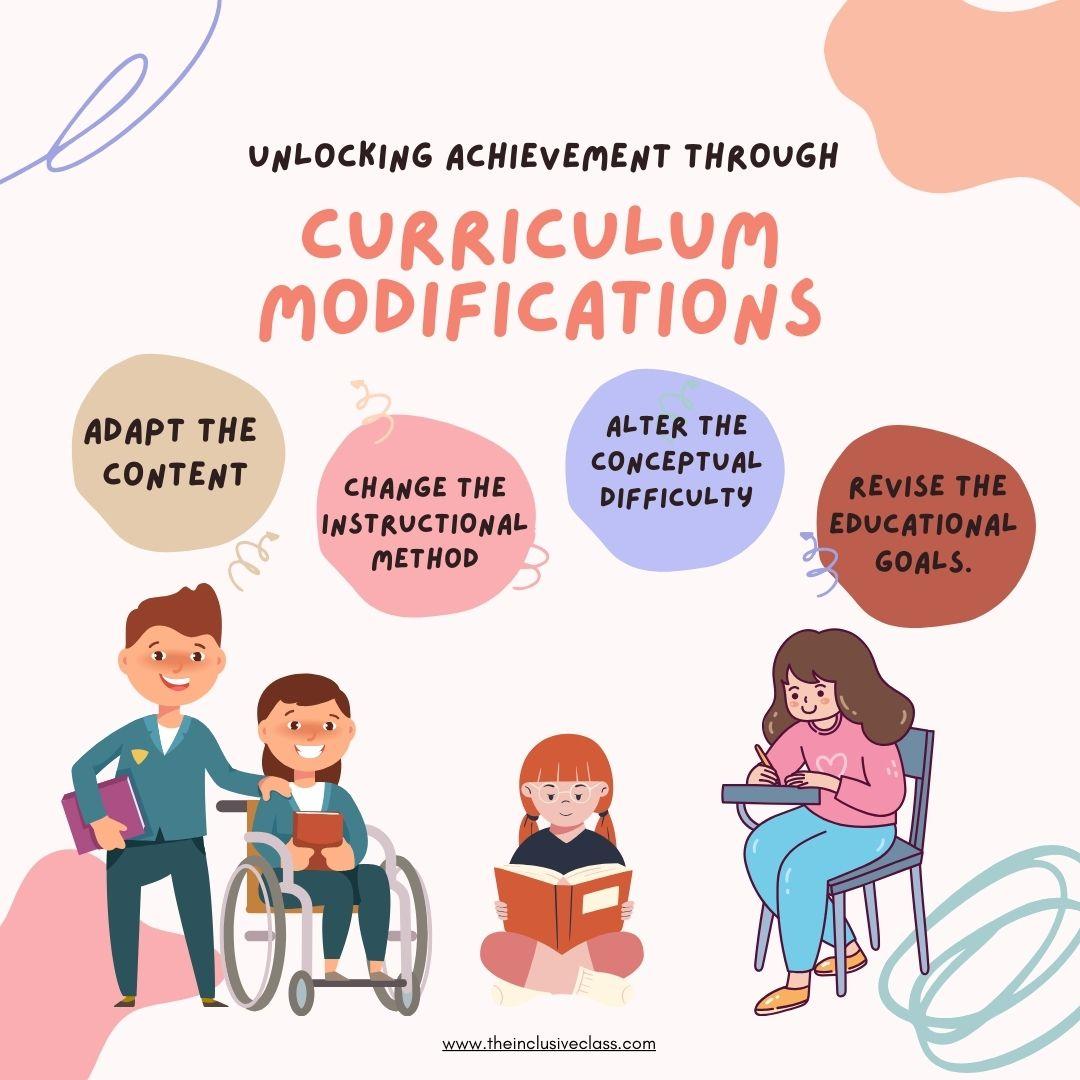
Designing Inclusive Curricula for Diverse Learners: Strategies for Effective Classroom Success
In today’s interconnected world, classrooms brim with diversity. From cultural backgrounds and linguistic differences to various learning abilities, students arrive with unique needs and strengths. Designing inclusive curricula that accommodate and celebrate this diversity isn’t just a trend—it’s a basic pillar for effective teaching and lasting academic success. In this in-depth guide, we’ll explore dynamic strategies to create inclusive classrooms that empower every learner, ensuring that no one is left behind.
What is Inclusive Curriculum Design?
Inclusive curriculum design is the process of building flexible learning environments where all students, regardless of their backgrounds, identities, or abilities, have equitable access to learning and achievement. Focusing on the whole student, inclusive curricula strive to eliminate barriers, offering varied learning paths, materials, and assessments that cater to a spectrum of needs.
- Adapts to diverse learning styles
- Integrates multicultural perspectives
- Promotes accessibility and participation
- Encourages collaboration among students
- aligns with principles of Worldwide Design for Learning (UDL)
Why Designing Inclusive Curricula Matters
Building inclusive curricula is essential for fostering positive, supportive, and high-achieving learning environments. Here’s why inclusive curriculum strategies are pivotal for effective classroom success:
- Boosts Engagement and Achievement: Students who feel represented and included in classroom materials are more likely to engage actively and perform well academically.
- Reduces Achievement Gaps: Tailored instruction and diverse assessment tools combat traditional barriers, enabling all students to thrive.
- Promotes social-Emotional Growth: Exposure to inclusive curricula enhances empathy, self-awareness, and cultural competence among learners.
- Prepares for Global Citizenship: Students learn to appreciate diversity and develop critical life skills for participating in an interconnected world.
Key Strategies for Effective Inclusive Curriculum design
1. Embrace Universal Design for Learning (UDL)
Universal Design for Learning is at the heart of inclusive curriculum planning. UDL encourages educators to design lessons and assessments that provide multiple means of engagement, representation, and expression.
- Offer content in various formats—text, audio, video, and hands-on activities
- allow students to demonstrate understanding through diverse assessment options
- Use scaffolding, flexible grouping, and open-ended projects
2. Integrate Culturally Responsive Teaching
Culturally responsive teaching acknowledges and values students’ unique cultural backgrounds. Incorporate stories, examples, and perspectives from multiple cultures in lesson plans to make content meaningful for all.
- Celebrate diverse holidays and traditions within the curriculum
- Include literature and case studies from global perspectives
- Encourage discussions about cultural identity and equity
3. Differentiate Instruction and Assessment
differentiation means recognizing that students learn at different paces and in diverse ways. Employ a wide range of instructional strategies and assessment types:
- Flexible grouping based on readiness,interests,and learning profiles
- Varied homework and project choices
- Formative assessments to gauge understanding and inform instruction
- adaptive technology tools for personalized learning
4. Foster Inclusive Classroom Culture
An inclusive curriculum thrives in a classroom culture that champions acceptance and respect. Build community and belonging through:
- Establishing ground rules that encourage respect and empathy
- collaborative group work that values each voice
- Restorative practices to address conflicts and build relationships
5. Ensure Physical and Digital Accessibility
Ensure that all classroom spaces,activities,and digital materials are accessible. This includes making accommodations for students with disabilities and using accessible technology.
- Provide captions and transcripts for audio and video materials
- Ensure websites and e-learning platforms meet accessibility guidelines
- Offer quiet or sensory-friendly spaces for students who need them
practical Tips for Implementing Inclusive Curricula
- Get to No Your Learners: conduct surveys or use learning inventories to understand your students’ strengths, backgrounds, and needs.
- Flexible Syllabus Approach: Build in opportunities to adapt lessons based on real-time feedback and student interests.
- Leverage Technology: Use assistive technologies (e.g.,screen readers,translation tools) and educational apps that cater to diverse learning styles.
- reflection and Feedback: Regularly seek input from students and colleagues to refine your approach and materials.
- Professional Development: Stay updated with workshops, webinars, and readings on inclusive education strategies.
Case Study: Inclusive Curriculum in Action
real-World Example: Multicultural Literature Circles
At Oakwood Middle School, teachers redesigned their English Language Arts curriculum to feature multicultural literature circles. Students selected from novels representing various cultures and languages spoken in their community. Assignments encouraged personal connections—writing reflective journals and sharing family traditions.
- Student engagement and participation increased dramatically.
- English language learners (ELLs) felt empowered using home languages in discussions.
- Feedback showed heightened empathy and respect among peers.
This approach strengthened academic outcomes and celebrated the school’s diversity, demonstrating the profound impact of inclusive curriculum design.
Benefits of Inclusive Curriculum for Diverse Learners
- Increased Equity: ensures every student has access to quality learning experiences.
- Greater Student Agency: offers choices and voice in learning pathways and outcomes.
- Improved Classroom Dynamics: encourages collaborative problem-solving and mutual respect.
- Academic Achievement: Provides scaffolds and resources for all students to succeed.
- Holistic Development: Supports not just academic skills, but also social-emotional growth.
Frist-hand Experience: Educator Insights
“Transitioning to inclusive curriculum design transformed my teaching. Students who once felt sidelined began taking ownership of class discussions and projects. My classroom blossomed into a vibrant, respectful, and curious community where every child was seen, heard, and valued.”
– Sofia Ramos, 5th Grade Teacher
Conclusion: Shaping the Future with Inclusive Curricula
The journey towards designing inclusive curricula for diverse learners is ongoing, requiring dedication, creativity, and an open heart. By implementing strategies like Universal Design for Learning, culturally responsive teaching, and differentiated instruction, educators can craft classrooms where every student has the opportunity—and the support—to succeed. As our society continues to diversify, inclusive curriculum design is not just best practice; it’s an educational imperative that paves the way for a brighter, more equitable future.
Are you ready to transform your teaching and champion classroom success for all learners? Embrace inclusive curriculum design today—and watch both your students and your teaching flourish.