
Designing Inclusive curricula for Diverse Learners: Strategies for Equitable and Effective Education
In today’s rapidly evolving educational landscape, the need for designing inclusive curricula has never been more evident. Classrooms around the globe are rich with diversity—encompassing culture, language, ability, socioeconomic background, and learning styles. To offer equitable and effective education, educators must embrace strategies that make learning accessible and meaningful for all students. In this thorough guide, we’ll explore the critical importance of inclusivity, practical strategies for diverse learners, the benefits of inclusive education, real-world case studies, and actionable tips for educators and curriculum designers.
Why Is Inclusive Curriculum Design Essential for Diverse Learners?
An inclusive curriculum recognizes and values the unique backgrounds,abilities,and perspectives that each student brings. By designing curricula that are accessible and responsive to individual needs, educators can actively dismantle barriers to learning and create a classroom environment where every learner has the prospect to thrive.
- Reflects diversity: Represents various cultures,identities,and viewpoints in teaching materials and lesson plans.
- Promotes equity: Ensures all students receive the support and resources they need to succeed.
- Improves outcomes: Research has shown inclusive education leads to better academic, social, and emotional success for all students.
Key Strategies for Designing Inclusive Curricula
1. worldwide Design for Learning (UDL)
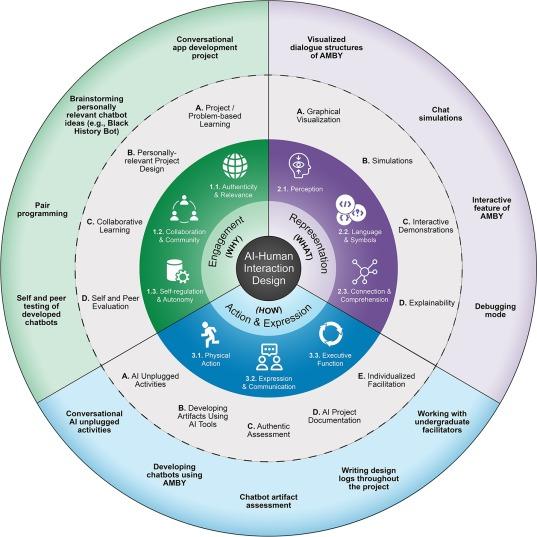
Universal Design for Learning (UDL) is a cornerstone framework for inclusive curriculum design. UDL encourages multiple means of portrayal, engagement, and expression, allowing lessons to meet varied learning needs.
- Provide content in multiple formats: text, images, audio, and video.
- Allow students to demonstrate understanding through various media—written, oral, artistic, or digital.
- Offer flexible approaches to assignments and assessment tasks.
2. Differentiated Instruction
Differentiated instruction tailors teaching methods, content, and assessment to the individual readiness, interests, and learning profiles of students.
- Group students strategically for activities and projects.
- offer tiered lessons with varying complexity.
- Incorporate choice in learning activities to boost engagement.
3. Culturally Responsive Teaching
culturally responsive teaching validates and incorporates students’ cultural references in all aspects of learning.
- Include diverse voices and perspectives in course materials.
- Foster an inclusive environment by acknowledging and celebrating differences.
- Adapt teaching methods to respect cultural norms and communication styles.
4. Accessibility and Assistive Technology
Applying principles of accessibility in education ensures that learners with physical, sensory, or cognitive challenges can participate fully.
- Integrate captioning, screen readers, and accessible documents.
- Provide alternative formats for reading materials.
- Use assistive technologies and adaptive tools where appropriate.
Benefits of Inclusive curriculum Design
Creating an inclusive curriculum not only benefits learners with identified needs but enhances the educational experience for everyone. Here are some key advantages:
- higher student engagement: Students see themselves reflected in the curriculum, motivating learning.
- Improved critical thinking: exposure to diverse perspectives broadens worldviews and analytical skills.
- social cohesion: Fosters empathy, respect, and collaboration among students of different backgrounds.
- Reduced achievement gaps: Targeted supports help close disparities in academic outcomes.
Practical Tips for Implementing Inclusive Curricula
- Audit existing materials: Review textbooks, presentations, and resources for representation and accessibility.
- Engage student voice: Invite feedback and involve students in designing learning activities.
- Leverage community partnerships: Collaborate with cultural, disability, or advocacy groups for authentic input.
- Invest in professional advancement: Train staff on UDL, differentiated instruction, and cultural competence.
- Utilize technology thoughtfully: implement tech that supports varied learning needs—like adaptive assessments and online discussion forums.
- monitor and assess regularly: Use formative assessments to track progress and adapt instruction proactively.
Case Study: Inclusive Science Curriculum in Action
At Martin Luther King Jr. Middle School, educators noticed that English Language Learners (ELLs) and students with learning disabilities were struggling to keep up in science classes.The school implemented these key changes:
- Science lessons offered in multiple languages and provided hands-on lab experiences for visual and kinesthetic learners.
- Modified reading materials with simplified language and graphic supports.
- Inclusion of scientific role models from diverse backgrounds helped students relate to content personally.
After one year, standardized test scores for ELLs and special education students rose by 15%, absenteeism decreased, and overall classroom participation increased.
A Teacher’s Perspective: Small Changes, Big Impact
“By introducing choice boards and flexible seating in my Grade 4 classroom, I noticed immediate improvements in student engagement and confidence. My students felt empowered to showcase their learning in ways that made sense for them—some through art,others through oral presentations,and a few using digital projects.These simple strategies made everyone feel included and valued.”
– Ms. tara Johnson, 4th Grade Teacher
Challenges and Solutions in Inclusive Curriculum Design
While the benefits are clear, inclusive curriculum development presents unique challenges:
-
Limited resources: Schools may lack access to diverse materials or assistive technologies.
Solution: Utilize open educational resources (OER) and community donations; prioritize essential accommodations.
-
Teacher preparedness: Not all educators are trained in inclusive practices.
Solution: Ongoing professional development and support networks are critical.
-
curriculum rigidity: National or state curricula can be inflexible.
Solution: Focus on differentiation within the provided framework and advocate for policy changes.
conclusion: Moving Towards Equitable and Effective Education
Designing inclusive curricula for diverse learners is an investment in the future of education. By applying strategies like Universal Design for Learning, differentiated instruction, and culturally responsive teaching, we can make equitable education a reality for all. Weather you are a teacher, administrator, or curriculum designer, every step taken towards inclusivity helps build a richer and more effective learning community—one that recognizes and celebrates the strengths of every student.
Ready to make your classroom or institution more inclusive? Start small, seek support, and remember: inclusive education benefits everyone.