
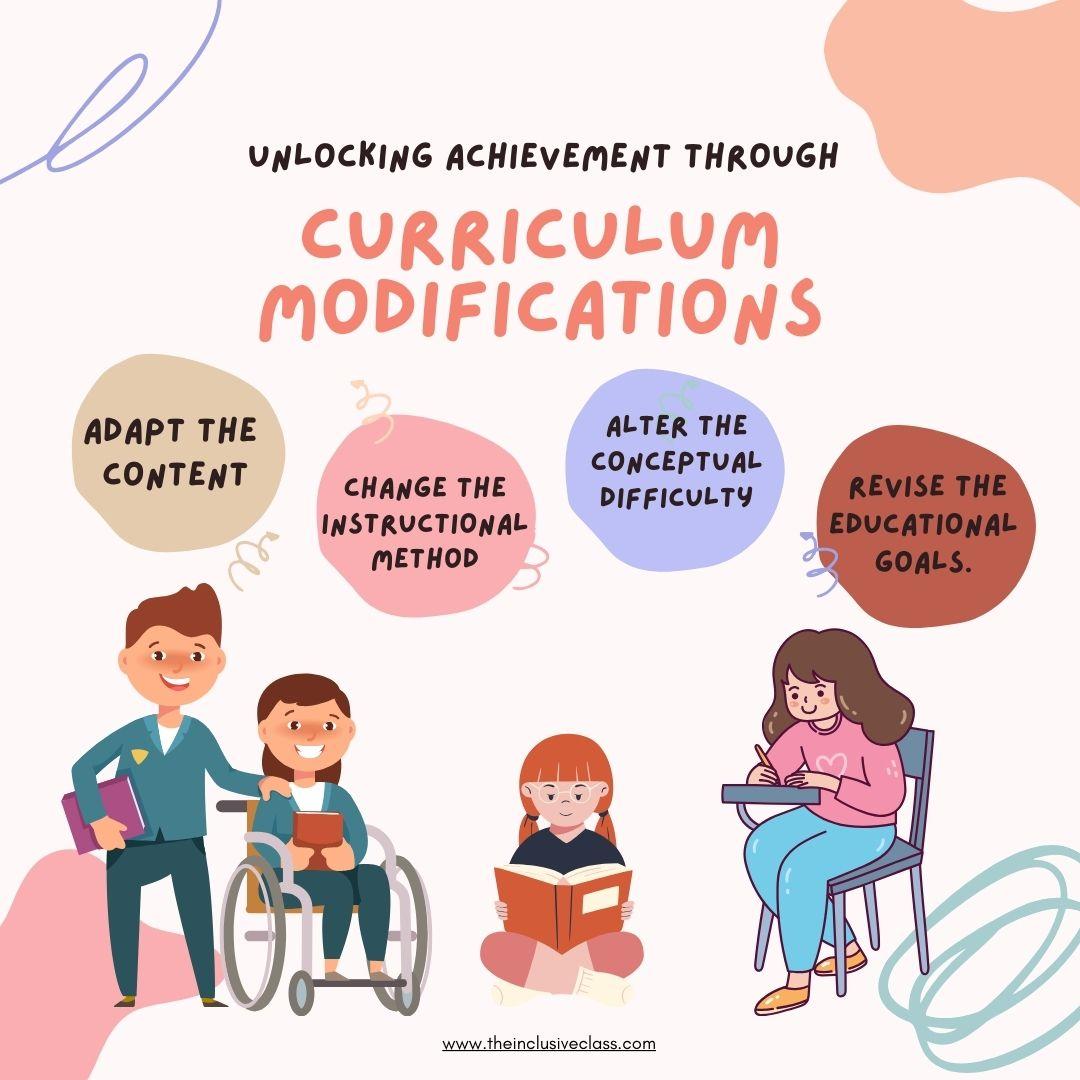
Designing Inclusive Curricula for Diverse Learners: Strategies for Equitable Education
In today’s diverse educational landscape, designing inclusive curricula is crucial to foster equitable education. With classrooms rich in varied learning needs, backgrounds, cultures, and abilities, educators must adopt approaches that ensure every learner can succeed. This thorough guide explores effective strategies for creating inclusive curricula for diverse learners and offers practical tips, real-world examples, and benefits of equitable education.
Understanding Inclusive Curriculum Design
Inclusive curriculum design refers to developing educational programs that address the varied needs, experiences, and interests of all learners. This involves integrating equitable education principles, removing barriers to learning, and providing all students—regardless of ability, culture, language, or background—with relevant and accessible educational opportunities.
- Equity in Education: ensuring every student has access to the resources, support, and learning experiences they need to achieve academic success.
- Diversity: Recognizing and valuing differences among students, including race, ethnicity, language, ability, gender identity, and learning style.
- Inclusion: Creating classroom environments where every learner feels valued and supported.
Why Inclusive Curricula Matter
An inclusive curriculum contributes to student engagement, higher achievement levels, and prepares learners for real-world diversity. Here’s why it matters:
- Reduces achievement gaps among students from different backgrounds.
- Fosters a sense of belonging and well-being for all students.
- Encourages empathy, respect, and understanding of multiple perspectives.
- Prepares students for collaborative and multicultural workplaces.
Principles of Designing Inclusive Curricula
- Universality: Design learning experiences that allow all students to access, participate in, and benefit from the curriculum.
- Flexibility: Employ adaptable teaching methods,assessment styles,and resources.
- Responsiveness: Continuously adjust curricula in response to learner feedback and changing demographics.
- Accessibility: Remove physical, technological, linguistic, and sensory barriers to learning.
Key Strategies for Creating Inclusive Curricula
1. Implement Universal Design for Learning (UDL)
universal design for Learning (UDL) is a research-based framework that guides the advancement of flexible learning environments. By proactively planning for diversity, UDL designs curriculum, assessments, and classroom activities that cater to all learners.
- Offer multiple means of portrayal (visual, auditory, and kinesthetic materials).
- Allow various modes of action and expression (written, verbal, creative).
- Provide diverse ways of engagement to maintain student motivation.
2. culturally Responsive Teaching
Culturally responsive teaching recognizes the importance of including students’ cultural references in all aspects of learning.
- Incorporate texts, examples, and case studies from multiple cultures.
- Encourage students to share their experiences and perspectives.
- Adapt classroom norms to respect various cultural traditions.
3.differentiated Instruction
Differentiated instruction means tailoring teaching environments and practices to create appropriate learning experiences for diverse students.
- Vary content complexity and delivery to match learners’ readiness and interests.
- Use flexible grouping and personalized learning paths.
- Provide scaffolding and extension activities as needed.
4. Incorporate Assistive Technology
Technology can play a pivotal role in removing barriers, supporting students with disabilities, and accommodating individual learning preferences.
- Utilize screen readers, speech-to-text tools, closed captioning, etc.
- Leverage learning management systems (LMS) like WordPress with accessible themes and plugins.
- Provide digital resources in multiple formats (PDF, audio, video).
5. Formative Assessment and Feedback
Frequent, low-stakes formative assessments help identify areas where students need support. Clear, constructive feedback guides student learning and fosters growth.
- Use quizzes, portfolios, peer reviews, and self-assessments.
- Offer flexible assessment options (projects, oral presentations, performances).
- Provide timely and personalized feedback.
6. Foster Social and Emotional Learning (SEL)
Prioritize the social and emotional aspects of learning to promote an inclusive and equitable classroom climate.
- Integrate SEL practices such as mindfulness, empathy, and conflict resolution.
- Maintain open, supportive communication channels.
- Celebrate diversity and create opportunities for community building.
Practical Tips for Inclusive Curriculum design
- Use plain language in instructions and materials to improve comprehension.
- Include visual aids, infographics, and multimedia to cater to various learning styles.
- Solicit regular feedback from students on what works and what doesn’t.
- Collaborate with colleagues and families for insights on student needs.
- Commit to ongoing professional development about diversity and inclusion.
- Ensure all digital resources and websites are WCAG-compliant for accessibility.
Case Study: Inclusive Curriculum in Action
Example: Willowbrook High School transitioned to an inclusive curriculum using UDL principles and culturally responsive content:
- All lesson plans were revised to include diverse histories and voices.
- Teachers provided digital copies of materials, captioned videos, and ensured reading options at different levels.
- Assessments included visual projects, written assignments, and oral histories.
- As a result, graduation rates increased, and achievement gaps between demographic groups narrowed over three years.
firsthand Experience: Teacher Outlook
“As an educator in a bilingual, multi-ability classroom, embracing inclusive curriculum design was transformative. Not only did my students show improved academic outcomes, but our classroom community became more supportive, collaborative, and inspired by each other’s perspectives.”
– Lucia Chen, Secondary School Teacher
Benefits of Equitable and Inclusive Curriculum
- Improved academic performance for all learners.
- Stronger social cohesion and cultural awareness.
- Increased self-confidence and motivation among students.
- Lower dropout rates and higher overall engagement.
Conclusion: toward Equitable Education for All learners
designing inclusive curricula for diverse learners is not just about compliance—its key to building a more equitable, compassionate, and successful educational system.By implementing practical strategies such as Universal Design for Learning, culturally responsive teaching, and differentiated instruction, educators can create environments where every student thrives. Remember, inclusion benefits everyone. With commitment, collaboration, and ongoing adaptation, truly equitable education is within our reach.
Want to Learn More?
Consider professional development workshops on inclusive curriculum design or join online forums for educators to share tips and resources. Together, we can champion diversity, equity, and inclusion in education!