
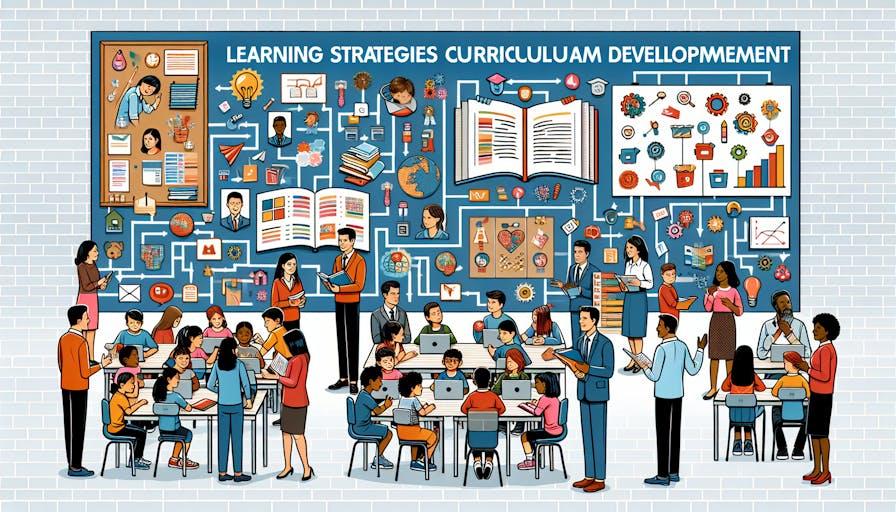
Designing Inclusive Curricula: Strategies for Diverse Learner Success
Inclusive curricula have become the hallmark of modern education, ensuring that every student—regardless of their background, ability, or learning style—receives equitable opportunities to flourish. As schools and higher education institutions strive to foster diversity and success, designing curricula that are accessible, adaptable, and relevant has never been more essential. In this article, we’ll explore actionable strategies for shaping inclusive curricula, examine the benefits, and share practical tips to empower educators and administrators to support diverse learner success.
Why Inclusivity Matters in Curriculum Design
Inclusive curriculum design recognizes that learners come from a variety of cultural,linguistic,and socioeconomic backgrounds—all with distinct needs and perspectives. By embracing inclusivity in education, we cultivate environments where every student engages, connects, and succeeds. this approach not only enhances academic outcomes but also prepares students for functioning in a diverse, interconnected world.
- Promotes equity: Ensures all learners have access to quality education.
- Reduces achievement gaps: Addresses social, cultural, and ability disparities.
- Boosts engagement: Builds classroom relevance and rapport through diverse content.
- Fosters lifelong learning: Equips students with adaptable skills and perspectives.
Key Principles for Designing Inclusive Curricula
To design curricula that genuinely support diverse learners, educators must incorporate foundational principles that address accessibility, representation, and adaptability:
- Universal Design for Learning (UDL): Offers flexible learning pathways, multiple means of engagement, and varied representation to accommodate individual learner needs.
- Culturally Responsive Teaching: Integrates diverse perspectives, experiences, and materials, making the curriculum reflective of the students’ backgrounds.
- Equity-Based Practices: Proactively identifies barriers and responds with differentiated instruction, resources, and assessment methods.
- Accessible Learning Materials: Ensures lesson plans, media, and resources are usable by all abilities—including those with physical, learning, or sensory challenges.
- Collaborative Approach: fosters teamwork among teachers, learners, families, and community partners.
Strategies to Ensure Diverse Learner Success
1. Utilize Differentiated Instruction
Differentiated instruction tailors teaching methods, content, and assessments to cater to what each learner needs.
- Vary lesson formats to include visual, auditory, and kinesthetic elements.
- Offer choices in assignments (e.g.,written reports,podcasts,presentations).
- Group students flexibly by ability, interest, or learning preference.
2. Integrate Technology for Accessibility
Technology transforms the learning surroundings by providing assistive tools and resources that support all learners.
- Use screen readers, captioned videos, and speech-to-text applications.
- Incorporate interactive platforms that allow self-paced learning.
- Leverage digital portfolios to document progress and personalize feedback.
3. Foster Culturally Responsive Content
Ensure that course materials, readings, and projects engage with multifaceted cultural narratives.
- Select texts and case studies from a variety of cultural backgrounds.
- Invite guest speakers to share unique perspectives.
- Encourage students to bring their own cultural experiences into class discussions.
4. Implement Authentic Assessment Methods
Authentic assessments measure learning through real-world tasks and allow learners to demonstrate knowledge in ways that matter to them.
- Project-based learning assignments.
- Portfolios that reflect growth over time.
- Peer reviews and collaborative presentations.
5. Promote collaborative Learning Environments
encourage teamwork and peer support by creating inclusive group activities and fostering a positive classroom culture.
- Facilitate group projects with clear roles and inclusivity guidelines.
- Set up peer mentoring and buddy systems.
- Build classroom agreements that emphasize respect and open communication.
Benefits of Inclusive Curriculum Design for Diverse Learners
Adopting an inclusive curriculum yields tangible advantages for both students and educators:
- Improved academic achievement: Students learn more effectively when content is relatable and accessible.
- Increased motivation: Learners feel valued, leading to higher engagement and participation.
- Better social-emotional outcomes: Inclusive environments nurture empathy, collaboration, and personal growth.
- Reduced dropout rates: Addressing individual needs helps students stay on track and persist through challenges.
- Enhanced teacher satisfaction: Educators observe more meaningful progress and rapport in diverse classrooms.
Practical Tips for Educators and Curriculum Designers
Ready to begin or refine your journey toward designing inclusive curricula? Here are some practical, instantly actionable tips:
- Get to Know Your learners: Conduct surveys or interviews to understand student backgrounds, interests, and needs.
- Audit Curricular Materials: Review resources for bias, representation, and accessibility.
- Use Feedback Loops: Regularly seek input from students and adjust content accordingly.
- Engage in Professional Development: Attend workshops, webinars, and courses on inclusive teaching practices.
- Leverage Community Resources: Partner with families, local organizations, and cultural centers to enrich curriculum content.
- Document and Share Best practices: Collaborate with fellow educators to develop a repository of successful strategies.
Case Studies: Inclusive Curriculum in Action
Elementary School: multisensory Literacy Program
At Northeast Elementary,educators implemented multisensory literacy modules blending tactile,visual,and auditory activities. English language Learners (ELLs) and students with dyslexia reportedly improved reading fluency and comprehension rates by 25% over one school year.
Higher Education: Accessible STEM Labs
A leading university’s inclusive STEM initiative integrated adaptive technologies—such as tactile diagrams, voice-controlled lab equipment, and video tutorials with captions. Diverse cohorts, including students with physical disabilities, achieved higher retention and graduation rates compared to previous years.
Adult Learning: Community-Based Vocational Training
Community colleges partnered with local industries to create accessible training programs for adults from various socioeconomic backgrounds. Courses were provided in multiple languages and included flexible schedules, yielding a 70% job placement rate among graduates.
First-Hand Experiences: Voices from the Field
“Designing an inclusive curriculum transformed our classroom culture.When students saw themselves reflected in assignments, their self-confidence soared. Even reluctant learners took active roles, and our class discussions became richer and more dynamic.”
— Alex Martinez, High School Teacher
“Applying Universal Design for Learning helped me rethink all my lesson plans. Now, every student—no matter their ability—can access the content easily. The increase in engagement and test scores speaks for itself.”
— Priya Singh, College Instructor
Conclusion: Moving Toward Equity and Excellence
Building inclusive curricula is more than a trend—it’s a commitment to transforming education for diverse learner success. by implementing strategic approaches, educators can cultivate classrooms where all students thrive, participate, and achieve their fullest potential. Whether you’re revamping a program or starting from scratch, prioritize universal access, cultural relevance, and adaptable instructional methods. Remember, the path to equity in education begins with an inclusive curriculum design that embraces and uplifts every learner’s unique strengths.
Take the first step today: Evaluate your curriculum, gather feedback, and explore new strategies to make learning inclusive—for every student, every lesson, every day.
Further Reading & Resources
- Universal Design for Learning (CAST)
- Culturally Responsive Teaching Resources
- Edutopia: Inclusive Education Articles