
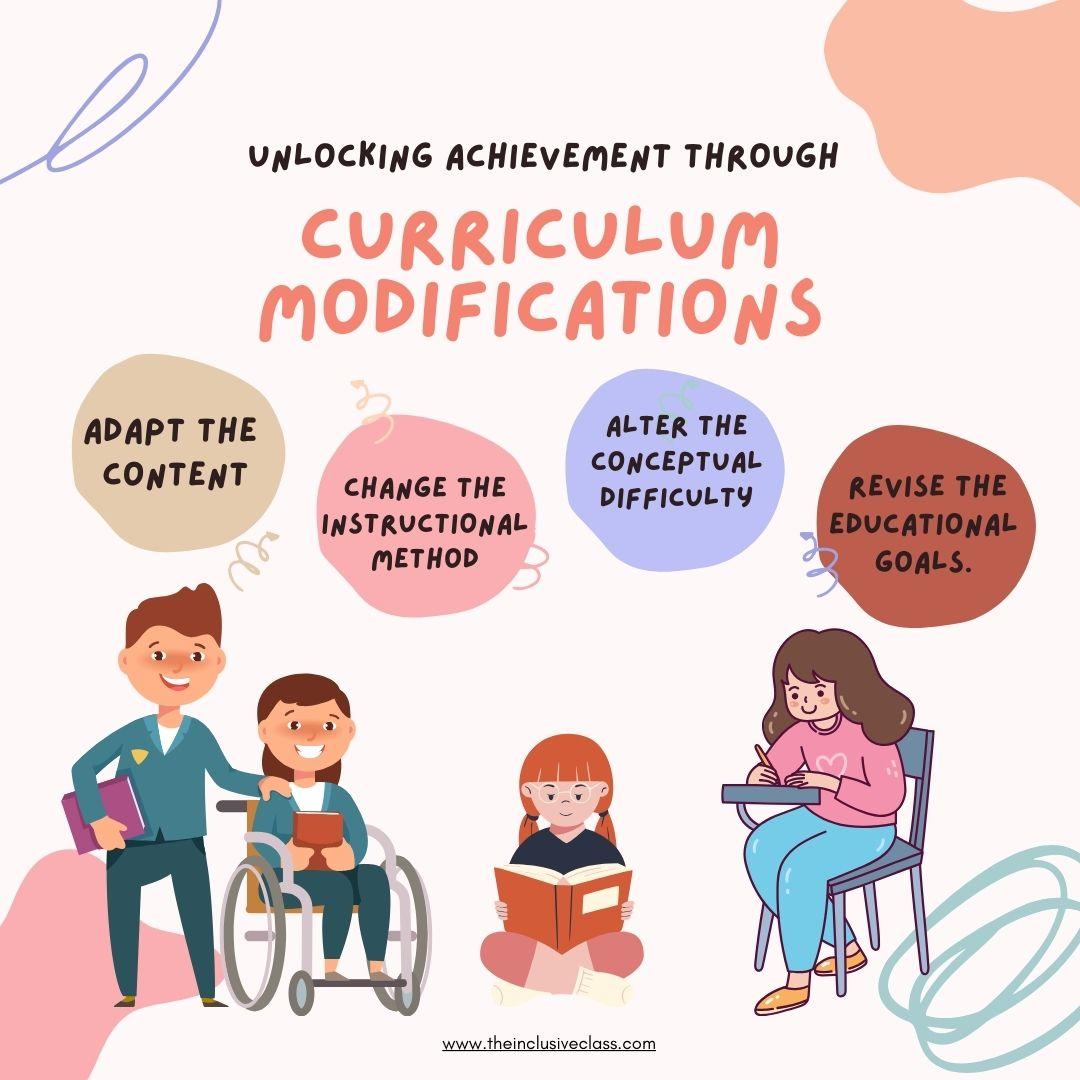
Designing Inclusive Curricula: Strategies for Embracing Diverse Learners in the Classroom
In todayS rapidly evolving educational landscape, designing inclusive curricula has become a central focus for educators and institutions alike. Inclusive classrooms not only recognize students’ unique backgrounds and learning styles but also create environments where every learner feels valued and empowered to succeed. Whether you’re an experienced educator or new to teaching, embracing diverse learners in the classroom is key to fostering equity, engagement, and optimal academic outcomes. This comprehensive guide will explore effective strategies for designing inclusive curricula,practical tips,real-world case studies,and the many benefits of adopting inclusive teaching practices.
What is Inclusive Curriculum Design?
Inclusive curriculum design refers to the intentional planning, development, and implementation of learning experiences that are accessible and engaging for all students, regardless of their cultural, linguistic, socio-economic, or ability differences. This approach emphasizes adapting teaching methods, assessment, content, and classroom interactions to reflect the diverse needs, strengths, and backgrounds of students.
- Accessibility: Ensuring all materials are usable by students with and without disabilities.
- Cultural Responsiveness: Integrating diverse perspectives into course content and activities.
- Flexible Assessment: Allowing multiple ways for students to demonstrate learning.
Benefits of Designing Inclusive Curricula
- Higher Student Engagement: Students who see themselves represented in content are more likely to participate and connect with the material.
- Improved Achievement: Differentiated instruction and support can boost academic performance for all learners.
- Empowered Learners: Inclusive curricula foster confidence, autonomy, and critical thinking skills.
- Reduced Achievement Gaps: Targeted strategies can bridge disparities in educational outcomes.
- Positive Classroom Climate: embracing diversity builds a safe, respectful, and collaborative environment.
Key Strategies for Inclusive Curriculum Design
Below are proven techniques and frameworks that support the development of inclusive curricula for diverse classrooms:
1. Apply Universal Design for Learning (UDL)
Universal Design for Learning (UDL) is a research-based approach that guides educators in creating flexible learning experiences to accommodate all learners. UDL advocates for:
- Multiple Means of Representation: Present information in diverse ways (text,audio,visuals,hands-on activities).
- Multiple Means of Action and Expression: Allow students to communicate and demonstrate understanding in various formats (presentation, project, test, discussion).
- Multiple Means of Engagement: Offer choices in assignments, topics, and learning pathways to motivate and interest students.
2. Integrate Culturally Responsive Pedagogy
Incorporate teaching practices and content that respect and reflect students’ cultural backgrounds and experiences. Strategies include:
- Using diverse authors, artists, and researchers in curriculum materials.
- Connecting lessons to real-life issues relevant to students’ communities.
- Valuing and inviting home languages, stories, and traditions into class discussions.
- Challenging stereotypes and addressing bias through open dialog and critical analysis.
3. Differentiate Instruction
Adjusting content, processes, and products based on individual student needs is at the heart of inclusive curriculum design. Methods for differentiating include:
- Offering varied levels of reading materials and complexity.
- Using flexible grouping, such as peer-teaching or cooperative learning.
- Providing scaffolds, such as visual aids or guided notes, for students who require additional support.
- Personalizing assignments to align with student interests and strengths.
4. Foster Collaborative and Reflective Learning
- Create opportunities for peer-to-peer learning and support.
- Encourage students to reflect on their identities, learning preferences, and sources of motivation.
- Build routines for sharing feedback, celebrating progress, and collaborating on projects.
5. Ensure accessibility and flexible Assessment
- Use accessible digital platforms and materials (close captions, screen-reader pleasant resources).
- Offer a variety of assessment options (portfolios, presentations, quizzes, essays).
- Provide extra time or alternative formats for students with documented needs.
Practical Tips for Designing Inclusive Curricula
- audit Your Existing Curriculum: Identify content or practices that may inadvertently exclude or disadvantage certain learners.
- Seek Student Input: Invite student perspectives on what would help them feel included and supported.
- Collaborate with Colleagues: Share inclusive teaching ideas and resources across grade levels and departments.
- Continue Professional Development: Regularly engage in training focused on equity, cultural competence, and accessibility.
- leverage Technology: Use digital tools to support differentiated learning and broaden access.
- Build Community Partnerships: Connect with local organizations and families to expand learning opportunities and cultural insights.
Case Studies: Inclusive Curriculum in Action
Case Study 1: Multilingual Mathematics
In a diverse urban middle school, a math teacher recognized that many students spoke languages other than English at home. By integrating math problems that included multilingual vocabulary lists and inviting students to solve word problems in both English and their home languages, the teacher increased comprehension and enthusiasm. Students reported feeling more confident and engaged, while achievement scores improved across the board.
Case Study 2: Cultural History Projects
A high school history class redesigned their final project to allow students to explore historical topics connected to their own backgrounds. Students conducted interviews with family members, used primary sources in different languages, and shared multimedia presentations. The project not only deepened understanding of the subject, but also fostered empathy and cultural appreciation among classmates.
First-Hand Perspectives from Educators
Maria Lopez,Special Education Teacher:
“Designing inclusive curricula transformed my teaching. By allowing for choice and flexibility, I saw students who used to struggle become active participants and leaders in the classroom.”
Raj Patel, Elementary School Teacher:
“It’s not always easy, but collaborating with my students—asking what helps them learn best—has brought out the strengths I never knew they had.Inclusion is a journey, and it’s worth every step.”
Conclusion: Moving Toward Truly Inclusive Classrooms
Designing inclusive curricula is an ongoing process rooted in empathy, creativity, and a commitment to equity. By embracing diverse learners in the classroom, educators not only advance academic outcomes but also contribute to a more just, dynamic, and innovative society. Incorporate inclusive curriculum design strategies into your practice, stay curious, and make space for every student to shine.Your classroom can be the starting point for lasting change.
For more resources on inclusive teaching strategies and curriculum design, continue exploring our site or reach out to our education community for support and inspiration.