
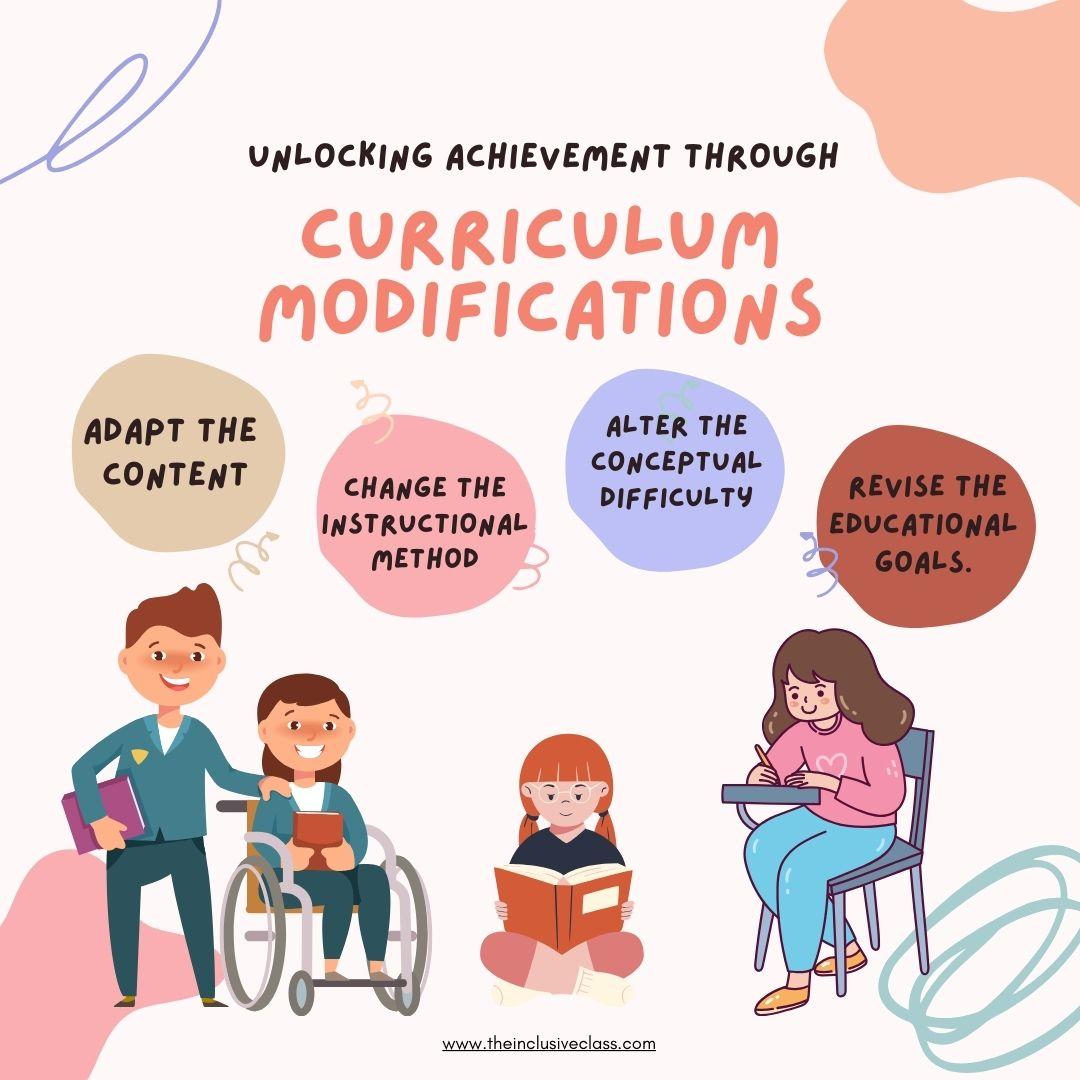
Designing Inclusive Curricula: Strategies for Supporting Diverse Learners
As education evolves in the 21st century, the concept of inclusive curricula has emerged as a cornerstone in fostering equitable learning opportunities for all students. Diverse learners bring rich perspectives, unique needs, and varied experiences into the classroom—from different cultural backgrounds to varied abilities, learning styles, and identities. Designing curricula that support diverse learners is not only a moral imperative but a practical necessity to ensure academic achievement for all. This article explores effective strategies for designing inclusive curricula, benefits, practical tips, real-world case studies, and actionable steps for educators seeking to cultivate an inclusive learning environment.
What Is Inclusive Curriculum Design?
Inclusive curriculum design refers to the purposeful creation and adaptation of educational content, resources, and methods to support the participation and success of all students, nonetheless of their backgrounds or abilities. It ensures that learning is accessible, engaging, and relevant for a wide spectrum of learners, including:
- Students with special educational needs
- English language learners
- Culturally and linguistically diverse students
- Gifted and talented individuals
- Students from marginalized communities
by focusing on diversity, equity, and accessibility, inclusive curricula promote a sense of belonging and foster positive academic and social outcomes.
Benefits of Inclusive Curriculum Design
Adopting an inclusive approach to curriculum design brings tangible benefits to learners, educators, and educational institutions alike. Here are key advantages:
- Equitable Access: All students are provided with resources and opportunities needed to succeed, regardless of ability or background.
- enhanced Engagement: Diverse content and teaching methods hold student interest and motivation.
- Social-Emotional Growth: Learners develop empathy, respect, and collaborative skills through exposure to multiple perspectives.
- Improved Academic Achievement: Students who feel included are more likely to engage, persevere, and achieve positive academic outcomes.
- Reduced Disparities: Inclusive curricula close achievement gaps and level the playing field for underserved populations.
- Compliance With Policy: Many regions require inclusive practices by law, aligning schools with legal standards.
Key Strategies for Designing Inclusive Curricula
Creating an inclusive curriculum requires thoughtful planning and ongoing reflection. Here are proven strategies to support diverse learners effectively:
1. Worldwide Design for Learning (UDL)
- multiple Means of Representation: Present content in various formats, such as text, audio, video, and visuals.
- Multiple Means of Engagement: Offer choices in activities and materials to cater to different interests and motivations.
- Multiple Means of Expression: Allow students to demonstrate understanding in diverse ways—written, verbal, artistic, or digital.
2. Culturally Responsive Teaching
- Inclusive Language and Examples: Ensure that texts, images, and references reflect and respect different cultures and backgrounds.
- Community Collaboration: Involve families and community members to make learning more relevant and meaningful.
- Critical Reflection: Encourage students to analyze bias and consider multiple viewpoints within curriculum topics.
3. differentiated Instruction
- Flexible grouping: Change groups based on students’ readiness levels, interests, or learning profiles.
- Tiered Assignments: Offer varying levels of complexity for tasks, adapted to learners’ needs.
- Personalized Feedback: Provide specific, individualized guidance to help each student progress.
4.Accessibility and Assistive Technology
- Accessible Materials: Use readable fonts, sufficient contrast, and choice text for images.
- Assistive Devices: Offer technology tools such as speech-to-text, audio books, or magnification devices.
- Flexible Environments: arrange classrooms for movement, collaboration, and quiet reflection as needed.
5. Social and Emotional Learning (SEL)
- SEL Integration: Embed social-emotional skills into academic content, fostering resilience and respect.
- Safe Spaces: Create environments were students feel psychologically safe to express themselves.
- restorative Practices: Resolve conflicts and nurture relationships through dialog and empathy.
Practical Tips for Educators
Implementing inclusive curricula is an ongoing process.here are practical steps and tips to make your educational environment more inclusive:
- Conduct Needs Assessments: Use surveys,interviews,and assessments to understand students’ strengths and challenges.
- Set Clear, Flexible Goals: Define learning objectives that are broad enough to accommodate multiple pathways to success.
- Incorporate Student Voice: Allow learners to choose topics, projects, or methods that interest them.
- Review and Revise Content: Regularly check for bias, stereotypes, or exclusionary language/images.
- Professional Progress: Attend workshops or collaborate with specialists on inclusive pedagogical strategies.
- Use Formative assessment: Continuously monitor progress and adjust instruction as needed.
- Partner With Support Staff: Work alongside special educators, counselors, and ESL instructors for holistic support.
Case Studies: Inclusive Curriculum in Action
Case Study 1: UDL in a Middle School Science Classroom
Ms. Johnson,a middle school teacher,reimagined her science curriculum using UDL principles. She provided lecture notes in both written and audio formats, used interactive simulations for experiments, and allowed students to submit projects in video or poster form. Consequently, students with varied learning styles and abilities achieved higher scores and reported greater enjoyment in science class.
case Study 2: Culturally Responsive History Lessons
At Lincoln Elementary, history teachers reviewed their textbook selections and found few references to local immigrants and indigenous groups. Collaborating with community elders, they integrated narratives from underrepresented voices and organized field trips to cultural landmarks. Attendance and engagement improved, especially among students from those backgrounds.
Case Study 3: Assistive Technology for Literacy Support
In an inclusive reading intervention program, educators equipped students diagnosed with dyslexia with tablets that had text-to-speech software. Classroom instructions were projected in larger fonts, and both print and digital books were offered. Reading proficiency rates increased substantially over the course of the year.
first-Hand Experience: Educators’ Reflections
Many teachers have shared the transformative impact of inclusive curricula:
“When we shifted to more flexible assessments and gave students a choice in how to show their understanding, I saw a tremendous change in their confidence. Students who previously struggled were now participating and thriving.” – Maria Reyes, High School English Teacher
“Including stories from all cultures made our classes so much richer. Students felt represented and respected, and we all learned from one another.” – Samuel Adeyemi, social Studies Educator
Overcoming Common Challenges
While designing inclusive curricula brings many rewards, educators might encounter obstacles such as:
- Resource Limitations: Address funding and material gaps with grants, open educational resources, or local partnerships.
- Time Constraints: Integrate inclusivity in small steps—adjust one lesson weekly or work collaboratively.
- Lack of Training: Advocate for staff development and mentorship opportunities.
- Resistance to Change: Share success stories, data, and student feedback to build buy-in among staff and stakeholders.
Conclusion: Building a Future with Inclusive Curricula
Designing inclusive curricula is an ongoing journey requiring commitment, creativity, and collaboration. By incorporating strategies such as Universal Design for Learning,culturally responsive teaching,differentiated instruction,and accessibility tools,educators can foster academic success,social-emotional development,and a sense of belonging for every learner. Inclusive curriculum design not only narrows achievement gaps and boosts engagement, but also prepares students to thrive in diverse workplaces and communities. Whether you’re revising lesson plans, embracing technology, or connecting with families, each step toward inclusivity is a step toward educational excellence.
Are you ready to start designing inclusive curricula? Begin with a small change—review one lesson for accessibility or add a new, diverse perspective to your next assignment. Every action counts toward supporting diverse learners and building an education system where all can succeed.