
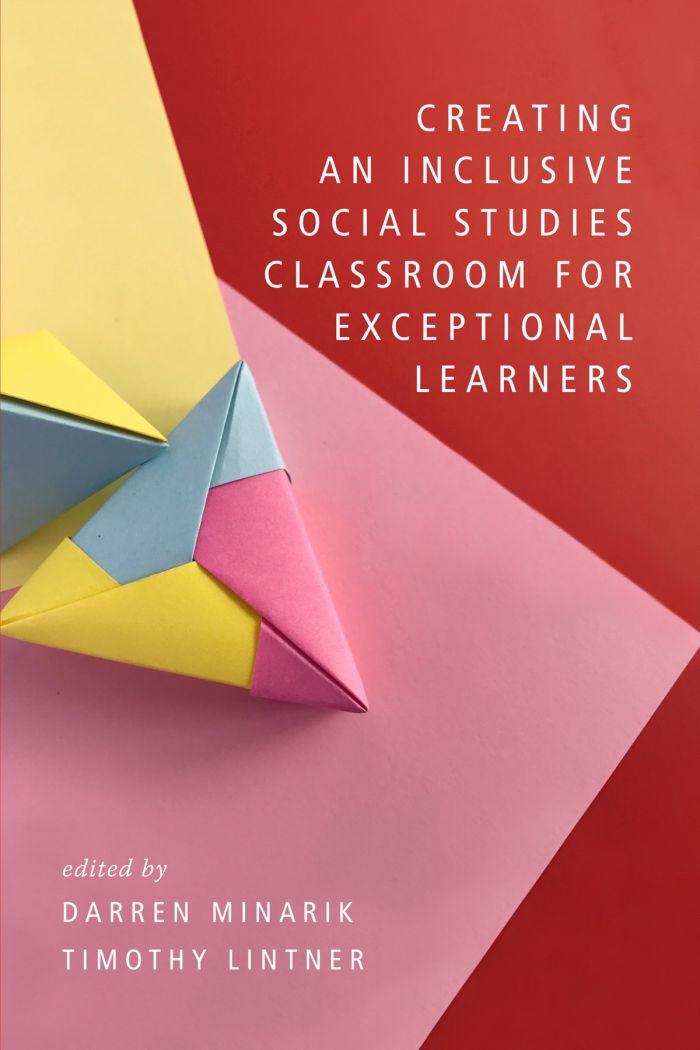
Designing Inclusive Curricula: Strategies for Supporting Diverse Learners in the Classroom
Inclusive curricula are at the heart of modern education, ensuring every student—irrespective of ability, background, or learning style—feels empowered to succeed. In this guide, we delve into practical strategies, real-world examples, and expert tips for creating learning environments that celebrate diversity and foster academic achievement for all learners.
What is Inclusive Curriculum Design?
Inclusive curriculum design refers to the process of developing educational plans, materials, and activities that accommodate the diverse needs of all students. This approach embraces differences such as cultural background, language, learning abilities, socioeconomic status, and special educational needs.An inclusive curriculum not only addresses academic content but also considers accessibility, engagement, and equity.
- Addresses varied learning styles and preferences
- Ensures materials are accessible and representative of all students
- Promotes fairness, respect, and equal opportunities
- Fosters a sense of belonging in the classroom
The Importance of Supporting Diverse Learners
Today’s classrooms are more diverse then ever. Learners bring unique perspectives, experiences, and challenges, making it crucial for educators to adapt curricula accordingly. By supporting diverse learners,educators can:
- Improve academic outcomes for all students
- Reduce achievement gaps and promote equity
- Enhance student engagement,motivation,and self-esteem
- Create a more positive,respectful,and collaborative classroom culture
- Prepare students for an inclusive workforce and society
Failing to address diversity can lead to disengagement,higher dropout rates,and long-term societal inequities. Therefore, designing inclusive curricula is not just best practice—its an educational imperative.
Key Strategies for Designing Inclusive Curricula
To build an inclusive curriculum that supports diverse learners, educators and curriculum developers should consider the following strategies:
1. Apply Worldwide Design for Learning (UDL)
Universal Design for Learning (UDL) is a research-based framework that guides the development of flexible learning environments to accommodate individual learning differences. Core UDL principles include:
- Multiple Means of Depiction: Present content in various formats—text, audio, video, visuals, and interactive media.
- Multiple Means of Action and Expression: Allow students to demonstrate their understanding in different ways—essays, presentations, projects, or artistic creations.
- Multiple Means of engagement: Offer choices that increase student motivation and participation, such as collaborative activities, independent tasks, or real-world problem-solving.
2. Incorporate Differentiated Instruction
Differentiated instruction involves adjusting teaching methods and materials to respond to students’ varying readiness levels, interests, and learning profiles. Practical ways to differentiate include:
- Flexible grouping based on skill, interest, or learning style
- Tiered assignments with varying complexity
- Choice boards or learning menus
- Adjusting pacing for students who need more time or challenge
- Providing scaffolding and targeted support where needed
3.Integrate Culturally Responsive Teaching
A culturally responsive curriculum affirms students’ cultural identities and connects learning to their real-life experiences. Key actions include:
- Selecting diverse authors, perspectives, and case studies
- Encouraging students to share their backgrounds and experiences
- Addressing bias and stereotypes in classroom materials
- Celebrating cultural events and histories relevant to students
- Building a classroom climate of respect and empathy
4.Ensure Accessibility for All Learners
Creating accessible curricula means removing barriers for students with disabilities or special needs. This can involve:
- Using accessible fonts, high-contrast colors, and simple layouts
- Providing choice text for images, captions for videos, and audio descriptions
- Ensuring online learning platforms are compatible with assistive technologies
- Offering printed, digital, and tactile learning resources
- Working with specialists to implement individualized learning plans (IEPs/504 plans)
5. Foster Social and Emotional Learning (SEL)
Supporting social-emotional learning helps foster inclusion by empowering students to manage emotions, set goals, show empathy, and build positive relationships. Incorporate:
- SEL activities into daily classroom routines
- Group work and peer collaboration
- Explicit discussions about diversity,respect,and empathy
- Conflict resolution and mindfulness exercises
Case Study: Inclusive Curriculum in Action
Case study — Lincoln Elementary School: In a 4th grade classroom with students from diverse linguistic and cultural backgrounds—including English learners and students with learning differences—teachers redesigned a science unit using UDL and differentiated instruction:
- Content delivered through bilingual videos,hands-on experiments,and illustrated guides.
- Students chose between group projects or individual reports, allowing for different strengths to shine.
- Peer tutors and digital tools supported students with reading challenges.
- Class discussions encouraged sharing cultural observations related to the science topic.
Result: Participation, confidence, and mastery increased across all student groups, narrowing achievement gaps and building a stronger sense of community.
benefits of Inclusive Curricula
An inclusive curriculum doesn’t just benefit marginalized or struggling students—it uplifts every learner. Key advantages include:
- Equity and Access: all students receive the support they need to reach their potential.
- Higher Engagement: Diverse materials and methods maintain interest and relevance.
- Improved outcomes: Achievement gaps are reduced and more students excel academically.
- Social Cohesion: Students develop empathy, resilience, and cultural awareness.
- Workplace Readiness: Students gain 21st-century skills for a diverse, global economy.
Practical Tips for Educators
Ready to create a more inclusive curriculum? Here are some practical steps educators can take right away:
- audit Existing Materials: Regularly review books, lessons, and activities for representation, accessibility, and bias.
- Seek Student Input: Involve students in curriculum choices and ask for feedback on what helps them learn best.
- Collaborate with Colleagues: Share resources and co-plan with special educators, ELL specialists, and counselors.
- Stay Informed: Engage in ongoing professional development on cultural competency and inclusive teaching practices.
- Leverage Technology: Use edtech tools for differentiation, translation, and accessibility (e.g., text-to-speech, interactive quizzes).
- Celebrate Diversity: Make inclusion visible through classroom displays, lesson themes, and events that honor student backgrounds.
- Be Flexible: Adjust plans when students need extra support, challenge, or a different way to engage.
Conclusion: Committing to Inclusive Education
Designing an inclusive curriculum is not a one-size-fits-all endeavor—it’s a dynamic, ongoing commitment to recognizing and meeting the needs of every learner. By employing strategies like Universal Design for Learning, differentiated instruction, and culturally responsive teaching, educators can foster classrooms where all students thrive.
Ultimately, the goal is to create educational environments that are welcoming, engaging, and empowering for everyone. When we value and support diversity in our curricula, we set the stage for endless possibilities—both in school and beyond. start implementing these strategies today and watch your students flourish!