
Designing Inclusive Curricula: Strategies to Support Diverse Learners in the Classroom
In today’s increasingly diverse educational landscape,designing inclusive curricula is an essential practice for educators seeking to ensure every student has the opportunity to succeed. Classrooms now encompass a wide range of abilities, backgrounds, and experiences, making it vital to create learning environments where all learners are valued and supported. this guide explores the importance of inclusive education, highlights effective strategies to support diverse learners, and provides actionable insights for teachers, administrators, and curriculum designers.
What is Inclusive Curriculum Design?
Inclusive curriculum design refers to the advancement of teaching plans, educational materials, and classroom activities that accommodate the varied learning needs, cultural backgrounds, and abilities of every student. Rather than a one-size-fits-all approach, inclusive teaching strategies recognize and embrace diversity, ensuring everyone can participate meaningfully.
- Cultural Responsiveness: Embracing multicultural perspectives.
- Accessibility: Addressing physical, sensory, and cognitive needs.
- Differentiation: Modifying content, process, or product based on individual learning profiles.
Why is Designing Inclusive Curricula Vital?
Every student arrives with unique strengths and challenges. When educators design curricula with inclusivity in mind, they:
- Enhance student engagement and motivation.
- Reduce achievement gaps among different demographic groups.
- Promote equity and social justice in education.
- foster a sense of belonging and community.
- Prepare all learners for life in a diverse society.
Core Strategies to Support Diverse Learners in the classroom
Implementing inclusive curricula in the classroom may seem challenging,but several research-backed strategies can make a meaningful difference:
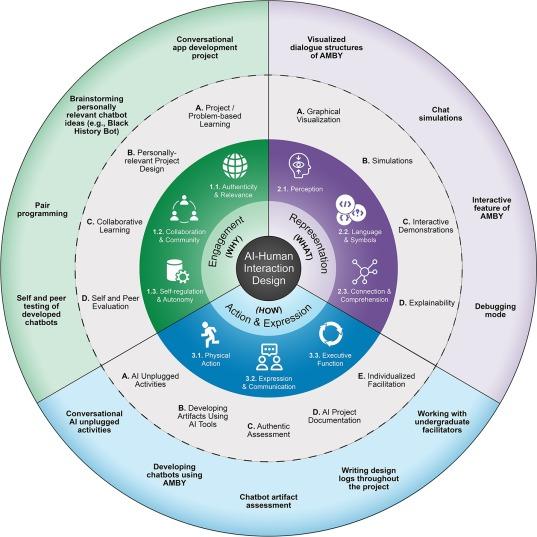
1. Universal Design for Learning (UDL)
UDL is a framework that guides teachers in creating flexible learning environments catering to diverse learning styles and abilities. UDL encourages:
- Multiple Means of Depiction: Presenting facts in different formats (visual, auditory, kinesthetic).
- Multiple Means of Engagement: Offering varied tasks and materials to spark student interest.
- Multiple Means of Expression: Providing choices for students to demonstrate their understanding (presentations,essays,projects,videos).
2. Differentiated Instruction
This approach involves:
- Adapting teaching methods based on students’ readiness, interests, and learning profiles.
- Offering tiered assignments or activities at varying difficulty levels.
- Utilizing small group work and individual projects to personalize learning.
3. Culturally Relevant Pedagogy
Culturally relevant pedagogy connects academic content with students’ backgrounds and experiences:
- Incorporating diverse perspectives and voices in the curriculum.
- Selecting texts, examples, and case studies reflective of student identities.
- Respecting linguistic diversity and promoting multilingualism.
4. Incorporating Assistive Technology
Technological tools can be invaluable for inclusion and accessibility:
- Text-to-speech and speech-to-text apps for students with reading/writing difficulties.
- Interactive educational software that allows for individualized pacing.
- Closed captions and visual aids for students with hearing or vision challenges.
5.Collaborative Learning
Structured group work and peer learning foster social skills and allow students to learn from each other’s strengths:
- Diverse group assignments enhance empathy and understanding.
- Peer tutoring and cooperative projects support varied learning paces.
Practical Tips for Designing Inclusive Lessons
- Know Your Students: Use surveys and informal assessments to learn about students’ interests, cultural backgrounds, and learning preferences.
- Set Clear, Flexible Goals: Define what mastery looks like but provide diverse pathways to achieve it.
- Use Scaffolded Supports: Offer visual organizers, checklists, and step-by-step instructions for complex tasks.
- Foster Safe, Welcoming Environments: Celebrate differences and establish respectful classroom norms.
- Continual Reflection and Feedback: Gather input from students and adapt curricula as needed.
Benefits of Inclusive Curriculum Design
- Higher Academic Achievement: All learners are set up for success, not just those who fit the “mainstream” profile.
- Improved Social-Emotional Wellbeing: Students feel seen, valued, and understood.
- Reduced Behavioral Issues: Engagement increases, while frustration and acting out decline.
- long-term Life Skills: Encourages problem-solving, empathy, and adaptability.
Case Study: Inclusive curriculum in Action
Ms. Lopez noticed her classroom comprised students with different learning abilities, linguistic backgrounds, and interests. She decided to implement UDL by:
- Providing course materials in both English and Spanish.
- Allowing students to choose between written reports, video presentations, or artwork for their final project.
- Inviting students’ families to share science-related traditions from their cultures.
The result? Engagement soared, students collaborated across backgrounds, and achievement gaps shrank. Parent feedback reflected a stronger sense of community and student pride.
First-Hand Experience: voices from Educators
”When we started differentiating assignments and brought in culturally meaningful projects, my students became more confident and involved. it changed the energy in the room for the better.”
— Alex Chen, Middle School Teacher
“Assistive technology helped my students with dyslexia participate and shine. Their classmates became more patient, aware, and supportive as an inevitable result.”
— Priya Singh, Elementary Educator
How to Start Designing Inclusive Curricula
Ready to build a more inclusive classroom? Here’s how to get started:
- Audit Your Current Curriculum: Look for gaps in representation and accessibility.
- Engage in Professional Development: Attend workshops on inclusive pedagogy and attend webinars.
- Collaborate With colleagues & Families: Sharing ideas with stakeholders generates innovative solutions.
- Experiment & Reflect: Small changes can make a lasting impact—don’t be afraid to innovate, then evaluate.
Conclusion
Designing inclusive curricula is not a one-time project but an ongoing commitment to equitable education. By applying strategies like Universal Design for Learning, differentiated instruction, and culturally responsive teaching, educators can create classrooms where all students thrive. Prioritizing the inclusion of diverse learners benefits everyone—fostering academic excellence, mutual respect, and a lifelong love of learning. Start today by taking one small step towards inclusion—your students (and community) will thank you.