
DevOps Engineer in Education Systems: Essential Skills & career Insights
Are you passionate about technology and education? Considering a career as a DevOps Engineer in university, college, or school education technology teams? From creating seamless digital learning environments to maintaining robust IT infrastructure, DevOps Engineers play a vital role in shaping modern education systems. This comprehensive guide will explore core skills, career opportunities, benefits, and practical tips for aspiring DevOps professionals in educational organizations.Let’s dive in!
Understanding the DevOps Engineer Role in Education Technology
DevOps Engineers are the backbone of IT operations in educational institutions. Whether it’s ensuring uninterrupted access to Learning Management Systems (LMS), automating deployment of educational apps, or securing sensitive student data, their work is pivotal to delivering a modern, flexible, and efficient digital learning experience.
In universities, colleges, and schools, the DevOps Engineer’s responsibilities typically revolve around:
- Supporting the integration and deployment of education management platforms
- Enabling continuous delivery and continuous integration (CI/CD) of apps and services
- monitoring system performance and responding to incidents
- Implementing robust security measures
- Working closely with software developers, IT administrators, and academic staff
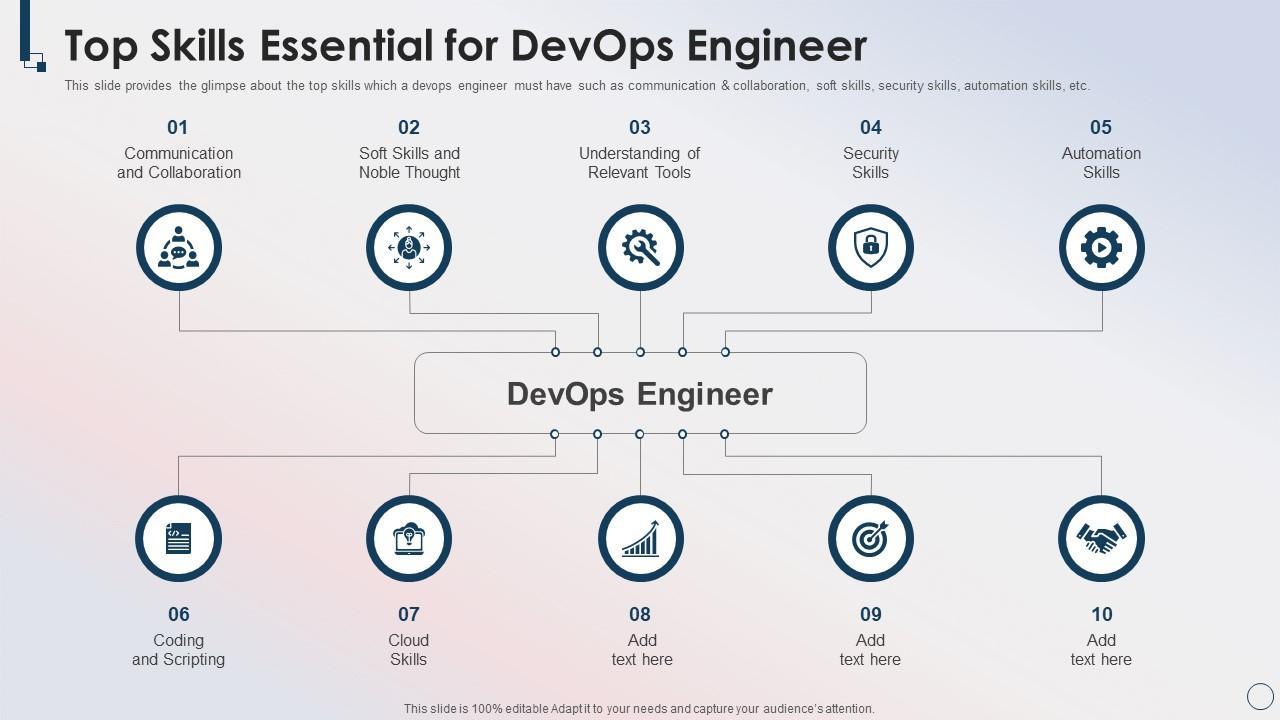
Essential Skills for DevOps Engineers in Education Systems
To thrive as a DevOps Engineer in education technology, you must possess a blend of technical expertise and interpersonal abilities.below are the core skills that universities, colleges, and schools typically seek:
1. proficiency in Cloud Platforms
- cloud Computing (AWS,Azure,Google Cloud): Familiarity with deploying,scaling,and managing cloud infrastructure is often a must.
- Hybrid Environments: Many educational institutions operate in hybrid setups; experience in both on-premise and cloud solutions is beneficial.
2.Automation and scripting
- Scripting Languages: Bash, Python, or PowerShell are fundamental for automating routine tasks.
- Configuration Management: Knowledge of tools like Ansible, Puppet, or Chef to automate infrastructure provisioning.
3. Continuous Integration & Delivery (CI/CD)
- Experience with tools such as Jenkins, GitLab CI, or Github Actions
- Building and optimizing deployment pipelines for education-focused applications
4.Containerization & Orchestration
- Proficiency in Docker and Kubernetes to run and scale containerized applications
- Understanding best practices in container security
5. System monitoring & Incident Response
- implementing monitoring tools (Prometheus, Datadog, ELK Stack)
- Setting up proactive alerts for fast response to outages or performance issues
6. Security & Compliance in Education Technology
- Experience managing user access controls and permissions
- Understanding of data protection laws affecting student and faculty records
- ability to conduct risk assessments and vulnerability scans
7. Collaboration & Communication Skills
- Working effectively with cross-functional teams including developers, support staff, and educational leaders
- Presenting technical concepts in simple, accessible language
Career Opportunities for DevOps Engineers in EduTech
The education sector offers diverse career paths for DevOps specialists across various types of institutions. Here’s a look at where your skills might be in demand:
- Universities and Colleges: Large-scale IT environments with complex academic platforms, research computing, and robust compliance requirements.
- Schools: Supporting digital classrooms, school management software, and secure student facts systems.
- Educational Technology Companies: Building and supporting EdTech solutions used by educators and students worldwide.
Positions available may include:
- DevOps Engineer for university IT departments
- Cloud Operations Specialist in education technology teams
- Site reliability Engineer focusing on academic platforms
- Automation Engineer for K-12 education systems
Benefits of Working as a DevOps Engineer in Education Technology
Pursuing a DevOps career in educational environments offers unique rewards and professional satisfaction. Here are some key benefits:
- Purposeful Impact: Support innovative learning experiences and help students succeed.
- Dynamic Work Environment: Collaborate with diverse teams on projects that matter to the next generation.
- Continuous Learning: Stay updated with the latest in cloud, automation, and EdTech tools.
- Job Stability: Educational institutions frequently enough offer stable employment and growth prospects.
- Competitive Compensation: Universities and colleges increasingly value skilled IT professionals.
Practical Tips for Landing a DevOps Job in education Systems
Ready to start your journey as a DevOps Engineer in education technology? Here are hands-on strategies to boost your job search and readiness:
1. Focus Your Resume on Education Tech Experience
- Highlight any experience with education platforms (LMS, SIS, remote learning tools)
- Quantify your achievements (e.g., “Improved LMS uptime from 95% to 99.9% through automation”)
2. Build a Portfolio of Relevant Projects
- Contribute to open-source EdTech projects or your own demo infrastructure setup
- Showcase scripts, CI/CD pipelines, and security measures for educational use cases
3. stay Informed about Education Technology Trends
- Keep up with latest advancements (cloud migration, AI in learning, mobile-first education)
- Understand how recent trends impact DevOps best practices in schools, colleges, and universities
4.Develop Your Soft Skills
- Practice clear communication with non-technical stakeholders
- Emphasize team collaboration during interviews
5. Obtain Relevant Certifications
- Consider credentials such as AWS Certified devops Engineer,Kubernetes Administrator,or Microsoft Certified: DevOps Engineer Expert
- Look for certifications in IT security,especially those applying to education environments
Common Challenges Faced by DevOps Engineers in Education
Every career path has its unique hurdles. Here are some challenges and insights for succeeding in educational DevOps roles:
- Legacy Systems: Many institutions rely on older infrastructure. Becoming proficient in integrating legacy systems with modern solutions is key.
- Security Concerns: Handling sensitive student data requires diligence and up-to-date knowledge on compliance and cybersecurity.
- Resource Constraints: Educational budgets can be limited. Creative problem-solving and cost-effective solutions are highly valued.
- User Diversity: Supporting users with varying degrees of technical proficiency calls for patience and user-friendly automation.
Why Educational Institutions Need DevOps Engineers
Digital change is accelerating in academia. Universities, colleges, and schools increasingly rely on DevOps expertise to:
- Deliver collaborative and adaptive learning platforms
- Automate administrative tasks and improve efficiency
- Enable secure, remote access to resources for students and staff
- Ensure system uptime during high-demand periods (enrollment, exams, virtual classrooms)
If you’re seeking a meaningful tech career, DevOps in education systems is an engaging path with the chance to make a difference every day.
Conclusion: Charting Your DevOps Career in Education Technology
Launching a career as a DevOps Engineer in universities, colleges, and schools opens doors to exciting challenges and meaningful impact. By mastering essential skills, staying aware of EdTech advancements, and honing your portfolio, you position yourself for success in this rewarding field.Collaboration, adaptability, and a genuine interest in educational advancement will set you apart as a tech leader in academic environments.
Whether you’re just starting out or ready to advance your expertise, DevOps engineering in education systems offers a dynamic career with purpose. Begin your journey today—empowering educators and transforming student experiences for the digital age!