
DevOps engineer in Education Systems: Essential Skills, Roles, and Career Pathways
Are you passionate about bridging technology and education? A rewarding career awaits as a DevOps Engineer in education systems.universities, colleges, and schools are increasingly investing in robust educational technology solutions, and DevOps professionals play a pivotal role in making these systems secure, scalable, and resilient. This article will guide you through the essential skills, responsibilities, benefits, and steps to embark on a triumphant DevOps career in educational institutions.
What Is a DevOps Engineer in Education Systems?
In the world of academic institutions, a DevOps Engineer orchestrates the growth, deployment, and operation of vital educational technology platforms—ranging from Learning Management Systems (LMS) and student details systems to cloud-based collaboration tools. Their mission is to streamline software delivery, enhance system reliability, and foster seamless collaboration between development and IT operations teams.
Roles and Responsibilities of a DevOps Engineer in Education Technology
Within the dynamic setting of universities and schools, a DevOps Engineer is responsible for maintaining an agile and efficient infrastructure that supports educators, students, and administrators.Here’s what the role usually encompasses:
- Automation: Designing and implementing automated processes for software deployment, testing, and monitoring.
- Continuous Integration/Continuous Deployment (CI/CD): Managing pipelines that ensure rapid and reliable delivery of new features and system updates.
- Cloud Infrastructure: Deploying and managing scalable cloud-based solutions using platforms such as AWS, Azure, or Google Cloud—crucial for supporting online learning and remote collaboration.
- Security: Implementing robust security practices to protect sensitive student and faculty data in compliance with education sector regulations (such as FERPA and GDPR).
- Monitoring & Troubleshooting: Using modern monitoring tools to proactively detect performance issues and provide rapid resolutions, ensuring minimal disruption to teaching and learning.
- Collaboration: Bridging communication between software developers, IT support staff, and end-users to foster a culture of continuous betterment.
- Infrastructure as Code (IaC): Utilizing tools like Terraform or Ansible to provision and manage infrastructure programmatically.
- Documentation: Maintaining clear technical documentation,workflows,and runbooks for system operations and incident responses.
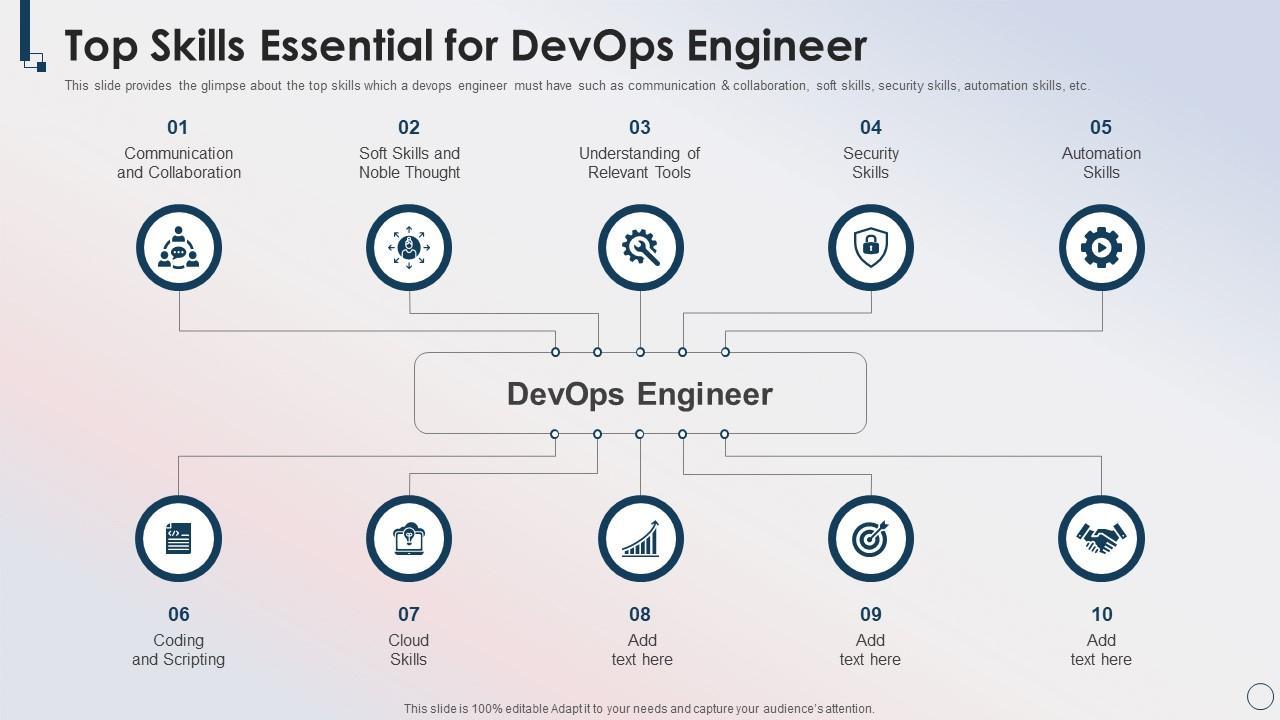
Essential Skills for DevOps Engineers in the Education Sector
if you aspire to join a school, college, or university as a DevOps Engineer, mastering a mix of technical and soft skills is crucial:
Technical Skills
- Programming/Scripting: familiarity with languages such as Python, Bash, or PowerShell for automating tasks and system configuration.
- CI/CD Tools: Hands-on experience with Jenkins, gitlab CI, CircleCI, or similar CI/CD platforms.
- Cloud computing: Proficiency in deploying and managing infrastructure through major cloud providers (AWS,Azure,Google Cloud Platform).
- Containerization & Orchestration: Experience with Docker, Kubernetes, or OpenShift for containerizing and managing applications.
- Operating Systems: Solid understanding of Linux and Windows environments commonly used in educational institutions.
- Infrastructure as Code (IaC): implementing infrastructure with tools like Terraform, Ansible, or cloudformation.
- Monitoring & Logging: Using solutions like Prometheus, Grafana, ELK Stack, or Splunk to monitor systems and analyze logs.
- Version Control: Mastery of Git and collaborating through platforms like GitHub or Bitbucket.
- Networking: Understanding of network protocols, DNS, VPNs, and firewalls.
- Security Best Practices: Submission of encryption, access controls, compliance standards, and vulnerability management.
Soft Skills
- Collaboration: Ability to work cross-functionally with developers, educators, and technology support teams.
- Problem-Solving: Analytical mindset to troubleshoot issues quickly and efficiently.
- Adaptability: Willingness to learn new technologies and adapt to evolving educational requirements.
- communication: clarity in explaining technical processes to non-technical staff and writng user-friendly documentation.
- Attention to Detail: Precision in managing configurations, code, and system changes to prevent downtime.
Career pathways for DevOps Engineers in Education Systems
Education technology offers a wide spectrum of opportunities for DevOps professionals. Here are some common career trajectories in academic environments:
- Entry-Level DevOps Engineer: Focused on provisioning cloud resources, supporting CI/CD setup, scripting, and basic system administration tasks.
- Mid-Level/Experienced DevOps Engineer: Driving infrastructure architecture,advanced automation,system monitoring,and security compliance efforts.
- Lead devops Engineer or DevOps Manager: Overseeing entire DevOps teams, managing large-scale deployments, and collaborating with IT and academic leadership on digital strategy.
- Cloud Operations Engineer: Specializing in cloud service management, cost optimization, and hybrid infrastructure integration for virtual classrooms and remote learning.
- Site Reliability Engineer (SRE): Ensuring that mission-critical applications such as online examination portals and LMS remain available, performant, and secure for all users.
- Solution Architect (Education Technology): Designing innovative solutions to meet evolving educational workflows and digital conversion goals.
These positions often offer room for specialization—as educational institutions continue to expand their digital footprint, opportunities for DevOps experts with a passion for academia continue to grow.
Benefits of Becoming a DevOps Engineer in Education systems
Working in the education sector as a DevOps Engineer comes with unique and meaningful rewards:
- Positive Social Impact: Enable seamless,modern learning experiences that empower students and educators.
- Job Security: Academic institutions prioritize technological stability and data security, ensuring consistent demand for skilled DevOps professionals.
- Work-Life Balance: Many schools and colleges offer flexible schedules and generous leave policies.
- Continuous Learning: Stay engaged with the latest EdTech innovations and contribute to digital transformation in higher education and K-12 schools.
- Collaborative Environment: Work alongside passionate educators, IT professionals, and academic leadership.
Practical Tips for Landing a DevOps Engineer Role in Educational Institutions
Want to launch your career as a DevOps Engineer in education technology? These practical tips can set you on the right path:
- Build a Strong Technical Foundation: master core DevOps tools, cloud platforms, and scripting languages through online courses, certifications, or hands-on projects.
- Pursue Relevant Certifications: Credentials such as AWS Certified DevOps Engineer, Microsoft Certified: Azure DevOps Engineer, or Kubernetes Administrator can boost your resume.
- Gain Experience with EdTech Tools: Familiarize yourself with popular platforms used in education—like Moodle, Blackboard, Canvas, Google Workspace for Education, and Microsoft Teams.
- Demonstrate Security Awareness: Understand data privacy obligations (FERPA, GDPR) and how to secure student/faculty data.
- Build a Portfolio: Showcase your experience by contributing to open-source projects or personal projects simulating common educational scenarios.
- Highlight Collaborative Skills: Emphasize teamwork, clear communication, and documentation in both your CV and interviews.
- Customize Your Applications: Tailor your resume to highlight experiences relevant to the education sector. Mention any previous work (even volunteer or academic projects) that aligns with technology in learning.
- Network with EdTech Professionals: Attend education technology conferences or join professional associations to connect with hiring managers and gain industry insights.
- Prepare for Scenario-Based Interviews: Practice explaining how you would solve real-world problems—such as scaling online exams or ensuring uptime during peak academic periods.
Conclusion
The demand for DevOps engineers in education systems is on the rise as schools, colleges, and universities continue their journey toward digital excellence. As a DevOps professional in this sector, you have the unique opportunity to make a lasting impact by ensuring that learning platforms are secure, scalable, and future-ready. By mastering both technical and collaborative skills, tailoring your expertise to academic environments, and staying engaged with the latest EdTech trends, you can build a fulfilling and meaningful career in education technology. Start shaping the future of learning by taking the next step toward a DevOps role in your favorite institution today!