
DevOps Engineer in Education Systems: Essential Skills, Roles & Career Path
Are you passionate about education technology and eager to build a career as a DevOps Engineer in universities, colleges, or schools? This complete guide will help you understand what the role entails, the skills you need, typical responsibilities, career progression, benefits, and essential tips for landing a DevOps job in education systems.
Introduction: The rise of DevOps in Education Technology
The digital change of educational institutions has accelerated in recent years,with universities,colleges,and schools adopting cloud computing,automation,and scalable IT solutions to enhance learning experiences and streamline operations. At the heart of this transformation is the role of the DevOps engineer, who bridges the gap between advancement and IT operations, ensuring seamless deployment, monitoring, and security of essential education systems.
If you are a tech-savvy professional looking to make a tangible impact in the world of education, working as a DevOps Engineer in education systems might potentially be the ideal career path for you. In this article, you’ll discover everything you need to know to succeed in this exciting and rewarding field.
What Does a DevOps engineer in Education Systems Do?
A DevOps Engineer working in education technology typically collaborates with software developers, system administrators, and IT teams to improve the systems running academic platforms, learning management systems (LMS), student information systems (SIS), and research infrastructure. Their work impacts faculty, students, and staff daily, ensuring reliable, secure, and high-performance digital services.
Core Responsibilities
- Automation: Implementing continuous integration and continuous deployment (CI/CD) pipelines to automate software delivery and testing processes.
- Cloud Operations: Managing cloud resources for e-learning platforms, research databases, and administrative systems.
- Configuration Management: Using tools like ansible,Puppet,or Chef to maintain consistent environments for education applications.
- Monitoring & Troubleshooting: Setting up monitoring solutions (e.g., Prometheus, Nagios) to anticipate issues and ensure system uptime.
- Security & compliance: Implementing robust security practices to protect sensitive student and faculty data and comply with regulations like FERPA or GDPR.
- Collaboration: Working closely with cross-functional teams to accelerate innovation and maintain high-quality education technology services.
Essential Skills for DevOps Engineering in Education Technology
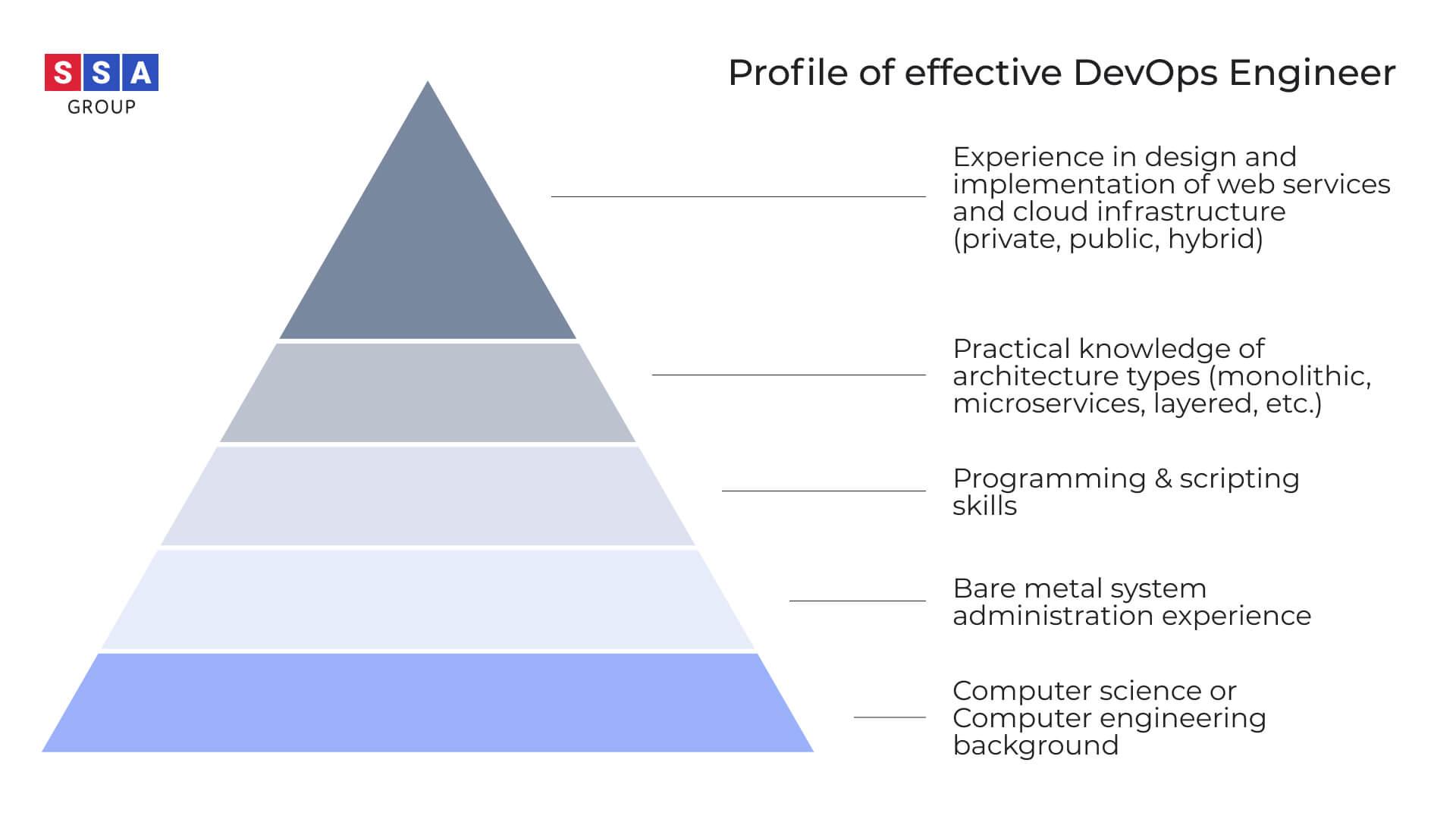
To thrive in the role, building a solid foundation in both technical and soft skills is critical. Let’s explore the expertise that educational institutions seek in their DevOps Engineers:
Technical Skills
- Linux/Unix Management: Most education systems run on Linux backends, so advanced knowledge is essential.
- Scripting & Programming: Expertise in languages like Python, Bash, or PowerShell for automation and integration tasks.
- Cloud Platforms: Experience with AWS,Azure,or Google Cloud Platform for scalable,secure hosting of academic systems.
- Source Control: Proficiency in Git and Version Control for collaborative development workflows.
- CI/CD Tools: Familiarity with Jenkins,GitLab CI,Travis CI,or similar tools for automated build and deployment.
- Containerization & Orchestration: Skills in docker and Kubernetes to manage microservices and distributed applications.
- Monitoring Solutions: Implementing real-time monitoring, alerting, and analytics to ensure optimal system health.
Soft Skills & Domain Knowledge
- Communication: Explaining complex technical issues to non-technical stakeholders (professors, administrators, students).
- Problem Solving: Rapid troubleshooting to minimize downtime and enhance user experiences.
- Collaboration: Teamwork with developers, educators, and IT staff, ensuring alignment with educational goals.
- EduTech Awareness: Understanding education sector-specific technologies, standards, and compliance requirements.
Career Pathways: DevOps Engineer in Higher Education & Schools
A DevOps Engineer in the education sector has a wide range of career opportunities, from entry-level positions to leadership roles. Here’s an overview of the potential trajectories:
typical Job Titles
- Junior DevOps Engineer – Education Technology
- DevOps Specialist – University IT Services
- Cloud Engineer – academic Systems
- Senior DevOps Engineer – College Digital Platforms
- Lead Infrastructure Engineer – Education Technology
- Infrastructure Architect – Learning Management Systems
- Director of DevOps – Education Technology
Career Progression
Many DevOps Engineers begin by supporting or automating smaller components of educational systems (such as LMS or SIS platforms). With experience, you can move into more specialized roles focusing on cloud architecture, security, or leadership positions that shape the technology strategy of entire institutions.
Education & Certifications
- Bachelor’s or Master’s degree in Computer Science, Information Technology, or related field.
- Relevant certifications like AWS Certified DevOps Engineer,Google Professional DevOps Engineer,or Certified Kubernetes Administrator (CKA) can be highly valuable.
- Specialized courses in Education technology and cybersecurity add notable value.
Benefits of Being a DevOps Engineer in the Education Sector
Pursuing a career as a DevOps Engineer in education systems offers distinct advantages:
1. Impactful Work
Your contributions directly enable more effective teaching, research, and learning for thousands of students and educators each day.
2. Stable Career in a Growing Sector
As education institutions escalate their digital transformation efforts, demand for DevOps professionals in education technology is steadily increasing.
3. Possibility to Innovate
Be at the forefront of cloud-based learning platforms, artificial intelligence in education, and pioneering IT solutions.
4. Diverse Projects
Work on a broad array of systems, from virtual labs for research to interactive classroom platforms and secure student data management.
5. Collaborative environment
Enjoy working closely with educators, IT professionals, and academic leaders in a mission-driven setting.
Practical Tips for Landing a DevOps Role in Education Systems
If your aiming to get hired as a DevOps Engineer at a university, college, or school, here are some proven strategies:
1. Build Relevant Experience
- Contribute to open-source projects related to education technology or e-learning platforms.
- Pursue internships or contract roles in academic institutions to build sector-specific expertise.
2. Master In-Demand Tools & Technologies
- Get hands-on experience with popular education LMS like Moodle, Canvas, Blackboard, or custom platforms.
- Sharpen your skills in cloud orchestration, automation tools, and security practices relevant to education data.
3. Highlight Sector Knowledge in Your Resume
- Demonstrate awareness of compliance, accessibility, and data protection in education systems.
- Showcase project achievements that improved academic operations or student engagement through DevOps practices.
4. Pursue Professional Development
- Attend edtech conferences, webinars, or workshops to stay up to date with technology trends.
- Earn certifications in cloud platforms, DevOps, and security aligned with industry preferences.
5. Network Effectively
- Connect with professionals in academic IT through social networks, forums, and alumni associations.
- Seek mentorship from experienced DevOps Engineers in the education sector for career advice and guidance.
Challenges & How to Overcome Them
Working as a devops Engineer in education systems may bring unique challenges,such as:
- Legacy Systems: Many education institutions rely on older infrastructure; skill in migration and modernization is key.
- Data Privacy Requirements: Navigating strict regulations demands rigorous security skills.
- Budget Constraints: Academic settings frequently enough have limited IT budgets, requiring cost-effective solutions.
Overcoming these challenges involves proactive learning, embracing best practices in security and automation, and continuous communication with stakeholders about technological benefits and improvements.
Conclusion: Shaping the Future of Education Technology
As a DevOps Engineer in education systems, you are uniquely positioned to define the future of learning and research at universities, colleges, and schools. This rewarding career blends advanced technology skillsets with a powerful social impact, transforming the way educators and students interact with digital platforms. By mastering essential skills, gaining relevant experience, and staying ahead of industry trends, you can make the most of this prosperous career path in education technology.
If you’re ready to take the next step, start building your portfolio, investing in your skills, and connecting with academic IT professionals. With the right expertise and attitude, you’ll be well on your way to a fulfilling role as a DevOps Engineer in the world of education systems—where your work truly makes a difference.