
DevOps Engineer in Education Systems: Key Responsibilities, Skills, and Career Path
Wiht educational institutions rapidly transitioning to digital platforms, teh demand for skilled professionals in education technology has soared. Among the most critical roles shaping the future of EdTech at universities, colleges, and schools is that of the DevOps Engineer. If you’re a job seeker passionate about technology’s impact on learning and are considering a career as a DevOps Engineer in education systems, this complete guide will provide you with all the facts you need.
Why DevOps Matters in Education Technology
Education technology, frequently enough referred to as EdTech, encompasses the request of IT tools, platforms, and methodologies to enhance teaching and learning. In this landscape, DevOps Engineers play a pivotal role, ensuring that systems are scalable, secure, and optimized for the demanding needs of students, faculty, and administrative staff.
What is DevOps in Education?
DevOps is a set of practices that bridge software advancement (Dev) and IT operations (Ops), aiming to shorten the lifecycle of system development and provide continuous delivery of high-quality software. In educational environments, this means reliably powering learning management systems (LMS), virtual classrooms, eLearning platforms, student portals, and more.
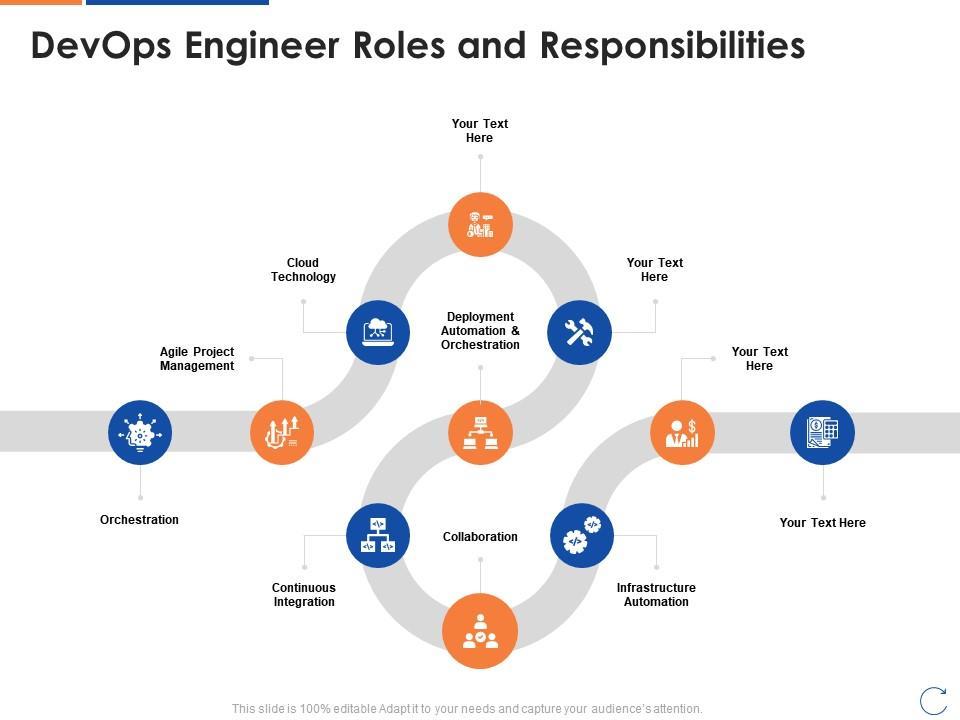
Key Responsibilities of a DevOps Engineer in Education Systems
The daily responsibilities of a DevOps Engineer in universities, colleges, or schools revolve around building, maintaining, and optimizing the digital infrastructure that modern education demands.Here’s what you can typically expect:
- Deployment and Release Management: Automating the deployment of new features,updates,and security patches to platforms like moodle,Blackboard,or custom university portals.
- Cloud Infrastructure Management: Designing and maintaining cloud environments (such as AWS, Azure, or Google Cloud) that host educational applications and databases.
- Continuous Integration and Continuous Deployment (CI/CD): Implementing pipelines that streamline the delivery process, enabling faster updates while minimizing downtime for staff and students.
- Monitoring and Performance Tuning: Proactively monitoring application performance, identifying bottlenecks, and ensuring smooth operation during peak times (exams, registrations, etc.).
- Security and Compliance: Safeguarding sensitive student and faculty data,and ensuring compliance with higher education regulations (like FERPA or GDPR).
- Incident Management and Troubleshooting: Responding quickly to outages or issues, collaborating with IT teams to resolve problems with minimal disruption to learning.
- Collaboration: Working closely with developers, system administrators, and academic staff to align technological solutions with curriculum and institutional goals.
- Automation and Scripting: Automating repetitive tasks to increase efficiency, using tools like ansible, chef, or Puppet.
- Backup and Disaster recovery: ensuring critical educational data is regularly backed up and can be recovered swiftly in case of system failure.
Essential Skills for a devops Engineer in EdTech
Embarking on a DevOps Engineer career in education systems requires a robust skill set combining technical expertise and collaborative abilities. Employers in the education sector often look for candidates proficient in the following areas:
Technical Skills
- Linux/Unix Management: Most education platforms operate on these systems.
- Scripting languages: Experience with Python, Bash, or PowerShell for automation.
- Version Control: Mastery of source code management tools like Git.
- CI/CD tools: Familiarity with Jenkins,Travis CI,or GitHub Actions.
- Cloud Platforms: Experience working with AWS, azure, google Cloud Platform, or OpenStack.
- Configuration Management: Knowledge of tools such as Ansible, Puppet, or Chef.
- Containerization: Using Docker and orchestration platforms like kubernetes to manage applications.
- Monitoring & Logging: Tools like Prometheus, Nagios, Grafana, or ELK Stack.
- Security Best Practices: Understanding of SSL, firewalls, vulnerability scanning, and compliance regulations relevant to education.
Soft Skills
- Problem-Solving: Swift and effective resolution of system issues affecting the learning process.
- Interaction: translating technical information to non-technical stakeholders (teachers, administrators).
- Collaboration: Supporting cross-functional teams to achieve shared educational technology goals.
- Adaptability: Willingness to learn and implement emerging technologies in education.
- Attention to Detail: Ensuring system updates don’t compromise sensitive educational data.
Educational Background and Certifications
To land a DevOps Engineer job in education technology, most institutions look for candidates with a background in computer science, information technology, or a related field. though, practical experience and certifications can be just as crucial:
- Bachelor’s Degree: In Computer Science, information Systems, or Engineering is frequently enough preferred.
- Certifications: Consider obtaining credentials such as AWS Certified DevOps Engineer,Microsoft Certified: Azure DevOps Engineer,Google Professional DevOps Engineer,or Linux Foundation’s Certified kubernetes Administrator.
- Relevant Experience: Hands-on work in cloud environments, automation, and security within education or similar sectors.
Career Path for a devops engineer in Education Systems
The career path for a DevOps Engineer in EdTech is dynamic and filled with growth opportunities. Here’s a typical progression:
- Entry-level: Positions like Junior DevOps Engineer, IT Support Specialist, or Systems Administrator where you gain foundational experience.
- Mid-Level: Transition to DevOps Engineer roles, managing deployments, automation, and cloud environments for educational IT systems.
- Senior/Led DevOps Engineer: Overseeing large-scale projects, mentoring junior staff, and helping to shape technology strategy across multiple departments.
- Specialization: As you grow, you may focus on security (DevSecOps), cloud architecture, or move into managerial positions like DevOps Manager or Chief Technology Officer (CTO) in education-focused organizations.
Because educational institutions are increasingly integrating technology with learning, career trajectories often involve interdisciplinary collaboration with academic leadership and innovation in the delivery of digital learning experiences.
Benefits of Being a DevOps Engineer in Education Technology
Pursuing a DevOps career in education systems comes with unique advantages. Here are some notable benefits:
- Mission-Driven Work: Play a critical role in transforming education, positively impacting students’ lives by enabling seamless digital learning experiences.
- Job Security: As educational institutions continue thier digital transformation, demand for skilled DevOps professionals remains strong.
- Professional Growth: Exposure to a wide range of technologies, from cloud computing to EdTech platforms, promotes continuous skill development.
- Collaboration and innovation: Engage with educators, administrators, and developers on innovative projects.
- Work-Life Balance: Many universities and schools value a balanced work environment compared to other tech sectors.
- Competitive Salaries and Benefits: especially at universities and large education organizations.
Practical Tips to Launch Your DevOps Career in Education Systems
- Tailor Your Resume: Highlight relevant DevOps projects, especially those related to eLearning, LMS migrations, or educational platforms.
- Network with EdTech Professionals: Attend conferences, webinars, or join online communities focused on education technology.
- Demonstrate Impact: In your applications, emphasize how your work improved system availability for students or accelerated digital transformation initiatives.
- Gain Hands-On Experience: Seek internships or volunteer opportunities at colleges or educational nonprofits to build practical skills.
- Stay Current: Keep up with DevOps trends, notably those shaping the EdTech industry, such as AI, cloud-first strategies, and security compliance.
- Develop Soft Skills: Practice explaining technical topics to non-technical audiences, preparing you for the collaborative nature of education environments.
- Pursue Relevant Certifications: Stand out to employers by earning devops and cloud certifications.
Conclusion
As a DevOps engineer in education systems, you’ll be at the forefront of digital innovation—enabling seamless, secure, and scalable environments that support the academic mission of universities, colleges, and schools. The role requires a blend of technical prowess, collaborative spirit, and a genuine passion for making a difference in education. by honing your skills, pursuing relevant certifications, and staying engaged with the EdTech community, you can build a rewarding and impactful career in this dynamic field.
If you’re ready to take the next step as a DevOps Engineer in education technology, now is the perfect time to contribute your expertise to the transformation of learning experiences for students worldwide.