
DevOps Engineer in Education Systems: Key Roles, Skills, and career Insights
As educational institutions increasingly rely on digital platforms to deliver learning experiences and manage operations, the demand for skilled DevOps engineers in education technology has never been higher. If you’re aiming to work in universities, colleges, or schools as a DevOps Engineer, understanding the unique environment, essential skills, and career trajectory is crucial. This thorough guide explores what it takes to thrive in this pivotal tech role within the education sector.
Introduction to DevOps Engineering in Education
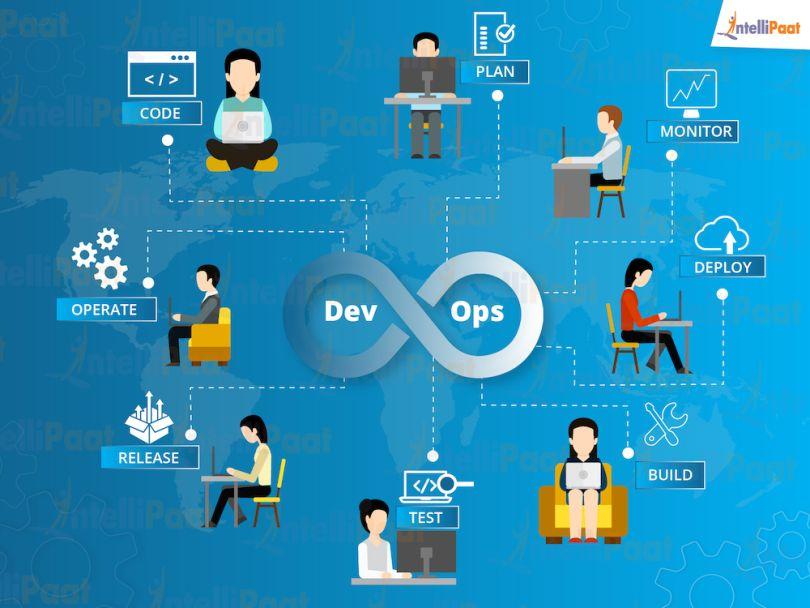
DevOps—short for Progress and Operations—has revolutionized the software development landscape across many industries. in education, where reliable, scalable, and secure digital systems are a necessity, DevOps Engineers bridge the gap between development and IT operations, ensuring seamless deployment, performance, and maintenance of educational technology solutions. Whether supporting learning Management Systems (LMS), student information systems, or research platforms, DevOps professionals play a critical role in modern education.
Key Roles and responsibilities of a DevOps Engineer in Education
DevOps engineers in educational settings are tasked with ensuring that software and infrastructure run smoothly, efficiently, and securely. Their responsibilities often include:
- CI/CD Implementation: Building and maintaining continuous integration and continuous delivery pipelines to automate testing and deployment procedures for educational software.
- Cloud Management: Configuring and managing cloud environments (such as AWS, Azure, or Google Cloud) for hosting educational applications and data.
- Monitoring and Performance Optimization: Setting up monitoring tools to track request performance and user activity, using data to optimize system reliability and speed.
- Security and Compliance: Implementing security best practices to protect learner and faculty data,and ensuring compliance with relevant data protection regulations like FERPA or GDPR.
- Infrastructure as Code (IaC): Utilizing tools like Terraform or Ansible to manage and provision infrastructure as code, reducing manual configuration errors and improving scalability.
- Collaboration with Development and Support teams: Facilitating interaction between software developers, IT staff, and support teams to rapidly address issues and deploy updates.
- Disaster Recovery and Backup: Designing robust backup and recovery systems to safeguard critical educational data.
- Automated Testing and Quality Assurance: Integrating automated testing into development workflows to maintain software quality and reliability.
Essential Skills for DevOps Engineers in Education Technology
To stand out as a candidate for DevOps roles in universities, colleges, or schools, you’ll need both core technical competencies and an understanding of the educational context. The following skills are highly valued:
Technical Skills
- Proficiency in Scripting and Programming: Familiarity with languages such as Python, Bash, or PowerShell.
- Experience with Version Control Systems: expertise in using Git for collaborative development and version management.
- Knowledge of CI/CD Tools: Working experience with Jenkins, GitLab CI, or similar platforms to automate builds and deployments.
- Cloud Platform Management: Hands-on experience with AWS, Azure, or Google Cloud, especially in provisioning and managing cloud resources.
- Containerization and Orchestration: Skills in Docker and orchestration tools like Kubernetes to deploy scalable education software solutions.
- Infrastructure as code: Familiarity with Terraform, Ansible, or Puppet for managing configurations and resources.
- Monitoring and Logging: Proficiency with tools like Prometheus, Grafana, ELK Stack, or Datadog for system monitoring and troubleshooting.
- Database Management: Understanding of SQL and NoSQL databases relevant to education systems.
Soft Skills and Domain-Specific Knowledge
- Collaboration and Communication: Ability to work effectively with educators, administrators, and technical teams.
- Problem-Solving: Analytical skills to troubleshoot complex system issues and optimize performance.
- Adaptability: Comfortable with change and continuous learning in the rapidly evolving EdTech landscape.
- Understanding of Education Technology: Awareness of the platforms and compliance requirements unique to the education sector.
- Attention to Detail: Precision in configuration management and deployment processes.
Benefits of a DevOps Engineering Career in Education
Pursuing a DevOps Engineer role in education comes with unique benefits and opportunities for personal and professional growth:
- Mission-Driven Impact: Contribute to the advancement of education by supporting platforms that empower learners and educators.
- Cutting-Edge Technology: Work with modern tools and frameworks, often at the forefront of digital transformation in the sector.
- Job Security and Demand: The need for robust and scalable EdTech solutions ensures consistent demand for skilled DevOps professionals.
- Stable Work Environment: Universities and schools often offer stable employment, comprehensive benefits, and work-life balance.
- Opportunities for Innovation: Play a key role in developing interactive classrooms, digital campuses, and research initiatives.
career Pathways and Advancement
A role as a devops Engineer in education can open doors to various career paths within EdTech and other industries.Common progression opportunities include:
- Senior DevOps Engineer: Lead larger projects and mentor junior staff.
- DevOps Architect: Design secure, scalable, and resilient infrastructure solutions for large-scale educational needs.
- site Reliability Engineer (SRE): Focus on ensuring high availability and reliability for mission-critical systems.
- Cloud Solutions Architect: Specialize in designing and optimizing cloud-based systems for educational institutions.
- Technical Lead or Engineering Manager: move into leadership positions overseeing EdTech infrastructure teams.
Additionally, DevOps experience in education is highly transferable, allowing for mobility into roles in healthcare, finance, or enterprise technology sectors.
Practical tips for Aspiring DevOps Engineers in Education Technology
If you’re ready to start your journey as a DevOps Engineer in education systems, consider these tips to enhance your prospects:
- Build a Solid Technical Portfolio: Showcase projects involving CI/CD, cloud infrastructure, and educational technologies. Open source contributions are a bonus.
- Understand EdTech Platforms: gain familiarity with popular learning management systems (like Moodle or Canvas) and education compliance standards.
- Network with Education IT Professionals: Attend EdTech meetups, webinars, and conferences to build relationships and stay updated with industry trends.
- Pursue Relevant Certifications: Certifications such as AWS Certified DevOps Engineer, Google Professional DevOps Engineer, or CompTIA Linux+ can boost your credibility.
- Emphasize Soft Skills: Demonstrate collaboration, adaptability, and communication in your resume and interviews.
- Stay Current: Keep up with the latest tools, frameworks, and best practices in both DevOps and education technology.
Preferred Education and Experience
Most universities and schools hiring DevOps Engineers require a bachelorS degree in Computer science, Information Technology, or a related field. However, relevant work experience and technical certifications can sometimes substitute for formal education. Experience working with education-specific software or platforms also provides a notable advantage.
Typical Requirements
- Bachelor’s degree or equivalent work experience
- 2+ years in DevOps, system administration, or related technical roles
- Hands-on experience with relevant cloud and DevOps tools
- Understanding of privacy and security regulations within education
Conclusion
The DevOps Engineer role in education technology is both dynamic and rewarding, offering opportunities to blend cutting-edge technical skills with a mission-driven career. By mastering core DevOps competencies, staying attuned to the unique needs of educational institutions, and continuously developing both your technical and interpersonal skills, you can become an invaluable asset to universities, colleges, or schools. Start building your portfolio, seek out networking opportunities, and invest in continuous learning to launch or advance your devops career in education systems today.
If you’re passionate about technology and education, there’s never been a better time to become a DevOps Engineer in education systems. With strong demand and the chance to make a real difference in how people learn and teach, this is an exciting field full of potential and purpose.