
DevOps Engineer in education Systems: Key Roles, Skills, and Career Path
Introduction
Are you passionate about technology and education? If you’re looking for a rewarding and impactful IT career, consider the role of a DevOps Engineer in education systems. With digital transformation accelerating in universities, colleges, and schools, educational institutions are increasingly dependent on seamless, secure, and scalable technology solutions. DevOps Engineers play a crucial part in ensuring that learning management platforms,student information systems,and e-learning services operate efficiently. In this comprehensive guide, we’ll dive into what it means to be a DevOps engineer within the education sector, highlighting key responsibilities, essential skills, benefits, and practical advice for landing your next job in this exciting field.
What Does a DevOps Engineer Do in Education Systems?
DevOps Engineers in universities, colleges, and schools serve as the bridge between growth and operations teams, ensuring that educational technologies are deployed, updated, and maintained smoothly. Rather than simply keeping the lights on, DevOps professionals innovate automation processes, enhance software reliability, and support the quick delivery of digital services to educators, administrators, and students.
- Automating the deployment and management of e-learning platforms
- Monitoring system performance, security, and uptime
- Streamlining workflows for code updates and educational request releases
- Collaborating with IT teams, software developers, and academic staff
- Implementing continuous integration and continuous delivery (CI/CD) pipelines
- Ensuring compliance with data privacy and security frameworks (e.g., FERPA, GDPR)
- Troubleshooting issues across virtual classrooms, assessment tools, and learning platforms
- Optimizing cloud infrastructure for scalability during peak usage (e.g., enrollment periods, online exams)
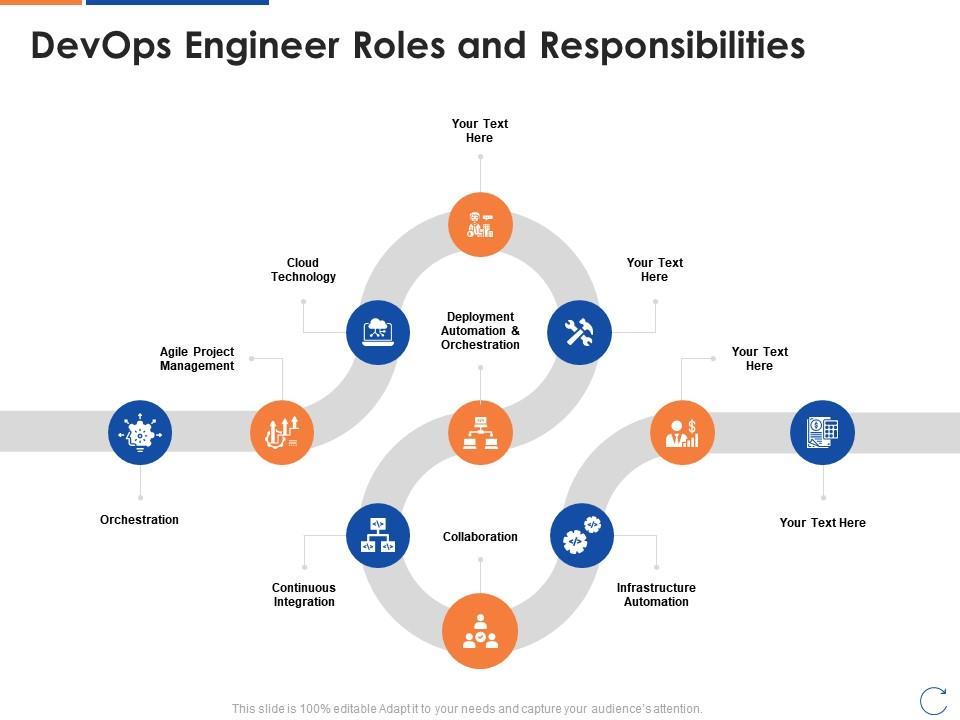
Key Responsibilities of a DevOps Engineer in Education Systems
Responsibilities for DevOps Engineers in education systems can vary depending on the institution’s size and technical scope. Though, typical duties include:
1. Infrastructure Automation
Utilizing Infrastructure as Code (IaC) tools such as Terraform or Ansible, DevOps Engineers automate configuration and provision of resources for educational apps and systems.
2. Continuous Deployment and Integration
DevOps teams design and maintain CI/CD pipelines to automate software builds, testing, and releases, ensuring new features or updates are rolled out efficiently with minimal downtime.
3. system Monitoring and Performance Optimization
Advanced monitoring solutions (like Prometheus, Grafana, or Datadog) are leveraged to track the health and responsiveness of mission-critical systems, identifying issues before they disrupt learning.
4. Security and Compliance
Implementing robust security controls and ensuring educational data is protected from breaches or unauthorized access is a key priority, particularly in an environment that deals with sensitive student information.
5. Technical Support and troubleshooting
Weather responding to outages or helping integrate new learning technologies, DevOps Engineers act as subject-matter experts, providing timely support to IT and academic teams.
essential Skills for a DevOps Engineer in Education Technology
Educational institutions need DevOps professionals who blend technical expertise with an understanding of the specific needs of schools, colleges, and universities. Below are the top skills hiring managers seek:
- Proficiency in Cloud Platforms: Familiarity with AWS,Azure,or Google Cloud to manage remote learning environments and application hosting.
- Automation Tools: Experience with configuration management (Ansible, Puppet, Chef) and container orchestration (Docker, Kubernetes).
- CI/CD Pipeline Management: Ability to set up and optimize automation workflows in platforms such as Jenkins, GitLab CI, or github Actions.
- Programming and Scripting: Knowledge of scripting languages like Bash, Python, or PowerShell to automate repetitive tasks and integrate systems.
- Monitoring & Logging: using monitoring tools for proactive incident management and performance tuning.
- cybersecurity: Understanding of network security, role-based access, and compliance requirements unique to the education sector.
- Collaboration & Dialogue: Ability to explain technical concepts clearly to non-technical staff, and work effectively with diverse teams.
- Problem-Solving mindset: Quick thinking and analytical ability to tackle challenges as they arise.
Career Path: How to Become a DevOps Engineer in Educational Institutions
1. Educational Foundation
Start with a bachelor’s degree in Computer Science, information Technology, or a related field. Many employers also value industry certifications, such as AWS Certified DevOps Engineer, Microsoft Certified: Azure DevOps Engineer, or Docker Certified Associate.
2. Gain Technical Experience
Entry-level roles such as System Administrator, Network Engineer, or IT support within an educational institution provide vital hands-on experience. Contribute to projects that involve learning management systems, student portals, or other educational platforms.
3. Specialize in DevOps Practices
Engage with DevOps tools,learn automation and cloud management,and start working on CI/CD projects. Participate in professional workshops, online courses, and open-source projects to demonstrate your expertise.
4. land Your DevOps Engineer Role
apply for DevOps roles at universities,colleges,or K-12 schools. Customize your resume to highlight skills relevant to educational technology and emphasize any prior experience in academic settings.
5. Advance your Career
With experience, you can progress into Lead DevOps engineer, Systems Architect, or IT Manager roles. Alternatively, you may move into specialized positions focusing on security, cloud strategy, or educational software development.
Benefits of Working as a DevOps Engineer in Education Systems
- Meaningful Impact: Contribute to improved teaching and learning experiences for students and academic staff thru reliable, innovative technology solutions.
- Cutting-edge Technology: Stay at the forefront by implementing the latest cloud, automation, and security tools in a dynamic digital education landscape.
- Work-Life Balance: Many educational institutions offer flexible work arrangements, generous leave policies, and a strong emphasis on employee wellness.
- Continuous Learning: Opportunities abound to learn new skills and gain certifications, often supported by education-focused employers.
- Job Stability: The education sector is less vulnerable to economic downturns, offering long-term job security for skilled DevOps professionals.
Practical Tips for Job seekers
- Tailor Your Resume: Highlight experience with educational software, remote learning platforms, and compliance expertise.
- build a Portfolio: Document relevant projects—especially those involving automation, cloud deployments, or security in education environments.
- Stay Current: Keep up with the evolving needs of digital education and new DevOps technologies by participating in webinars, online forums, and professional communities.
- Network Widely: Attend education technology conferences and engage with IT professionals in academic circles to uncover job opportunities.
- Demonstrate Soft Skills: Outstanding communication and collaboration are crucial.Be ready to share examples of cross-functional teamwork and problem-solving in your interviews.
Conclusion
Becoming a DevOps Engineer in education systems opens doors to a dynamic and fulfilling career—one at the intersection of technology and educational excellence. Whether you’re looking to work at a leading university, progressive college, or forward-thinking school, your expertise in devops can help transform the way learning happens.By mastering the key responsibilities, developing the right skills, and following a clear career path, you’ll play a central role in creating resilient, innovative, and accessible educational environments for years to come.
Ready for your next career move? Start building your DevOps skill set today and join the wave of tech professionals shaping the future of education!