
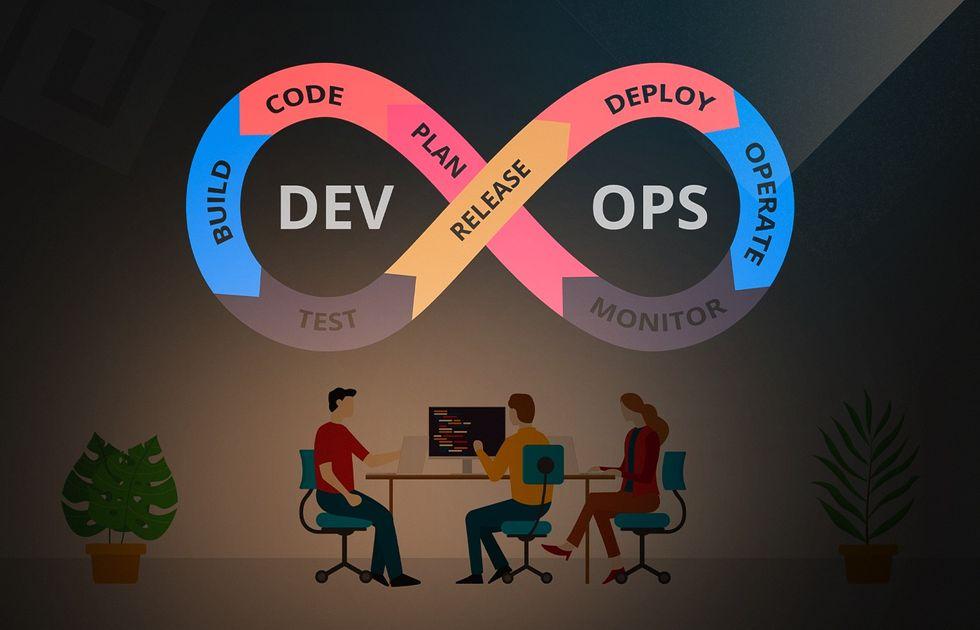
devops Engineer in Education Systems: Key Roles, Skills, and Impact
are you passionate about both technology and learning? A career as a DevOps engineer in education systems might be teh perfect fit for you. As educational institutions rapidly adopt digital platforms and cloud-based infrastructure, the demand for skilled DevOps professionals in universities, colleges, and schools is surging.In this article, we’ll explore what a DevOps Engineer dose in the education sector, the key skills required, the impact they make, and tips to land your dream job in education technology.
Introduction: The Role of DevOps in Education Technology
Modern educational institutions rely on robust IT systems to deliver online learning,manage resources,and analyze student data. DevOps Engineers are key players in ensuring these technologies run efficiently and securely. By streamlining software growth, deployment, and IT operations, they help schools, colleges, and universities provide seamless educational experiences to teachers, students, and administrators alike.
Key Responsibilities of a DevOps Engineer in Education systems
A DevOps Engineer in education technology bridges the gap between development and IT operations, focusing on automation, scalability, and reliability. Here are some of the core responsibilities:
- Automating Deployment Pipelines: Creating continuous integration and continuous deployment (CI/CD) workflows to deliver new features and updates efficiently.
- Cloud Infrastructure Management: Designing and maintaining cloud environments (AWS,Azure,Google Cloud) to support e-learning platforms and data storage.
- Monitoring and Troubleshooting: Keeping educational platforms, learning management systems (LMS), and collaboration tools up and running through proactive monitoring and rapid incident response.
- Security and Compliance: Implementing robust security practices and ensuring compliance with standards such as FERPA,GDPR,or HIPAA to protect sensitive student and faculty data.
- Platform Scalability: Scaling infrastructure to accommodate fluctuating numbers of students or large online events, such as virtual graduations or mass assessments.
- Collaboration: Working closely with developers, network engineers, and educational stakeholders to align technological solutions with teaching and learning needs.
- Configuration Management: Using tools like Ansible, Puppet, or Chef to maintain consistent environments across all learning platforms.
- Disaster Recovery Planning: Developing backup and recovery strategies to ensure educational continuity in the event of hardware failures or cyber-attacks.
Essential Skills and Qualifications for DevOps Engineers in Education
To succeed as a DevOps Engineer in universities, colleges, or schools, candidates must blend technical know-how with an understanding of educational needs. Let’s break down the most important skills and qualifications:
Technical Skills
- Coding & Scripting: Proficiency in Python, Bash, PowerShell, or similar languages for automating tasks.
- Cloud Computing: Deep experience with cloud platforms, including building, deploying, and managing cloud-based educational systems.
- CI/CD Tools: familiarity with Jenkins, GitLab CI, CircleCI, or similar tools for streamlining deployments.
- Infrastructure as Code (IaC): Hands-on knowledge of Terraform, CloudFormation, or ARM Templates to manage infrastructure efficiently.
- Containerization: Working experience with Docker, Kubernetes, or OpenShift for scalable and reliable software deployment.
- Monitoring & Logging: Utilizing Prometheus, Grafana, ELK Stack, or equivalent solutions for system observability.
- Security: Implementing firewall rules, identity and access management (IAM), vulnerability scanning, and data encryption.
Soft Skills
- Collaboration: Ability to work across multidisciplinary teams, including educators and non-technical stakeholders.
- Communication: Explaining technical concepts to non-technical staff and documenting procedures clearly.
- Problem-Solving: Diagnosing and resolving issues efficiently,even under pressure.
- Adaptability: Navigating rapidly changing technologies in the fast-evolving education technology landscape.
Qualifications
- Bachelor’s or master’s degree in Computer Science,Facts Technology,Engineering,or a related field.
- Relevant certifications: AWS Certified DevOps Engineer, Microsoft Certified: DevOps Engineer Expert, Google Professional DevOps Engineer, or similar.
- Experience with educational platforms (such as Moodle,Canvas,Blackboard) is highly beneficial.
The Impact of DevOps Engineers in Education Technology
DevOps Engineers are catalysts for innovation in educational institutions. Their work directly contributes to enhancing teaching, learning, and administrative efficiency.Here’s how their impact is felt across universities, colleges, and schools:
- Enabling Digital Learning: Ensures uninterrupted access to learning management systems and digital content, supporting both remote and classroom-based education.
- Improving Student Experience: Fast, responsive, and reliable platforms provide students and faculty with the tools they need to succeed.
- Cost Efficiency: Automation and intelligent resource management reduce IT costs, allowing more investments in educational initiatives.
- Data Security: Strict security protocols protect personal and academic data, fostering trust in digital education systems.
- Agile Development: Supports rapid deployment of new tools and features, enabling educational institutions to keep pace with emerging trends and pedagogies.
- Disaster Resilience: Well-designed backup and recovery processes ensure minimal disruption during cybersecurity incidents or system failures.
Benefits of Being a DevOps engineer in Education Systems
Choosing to work as a DevOps Engineer in the education sector comes with unique advantages:
- Purpose-Driven Work: Contribute to the future of education and improve learning outcomes for students at all levels.
- Job Security: Growing digital adoption in education means rising demand for DevOps professionals with sector-specific expertise.
- Professional Growth: Exposure to cutting-edge technologies and complex IT environments supports continual learning and skill development.
- Collaborative Culture: Work with passionate educators, IT staff, and administrators in a diverse and inclusive environment.
- Flexible Work Opportunities: Many education institutions support remote or hybrid work arrangements for IT roles.
Practical Tips for Landing a DevOps job in Education Technology
Interested in securing a role as a DevOps Engineer in a university, college, or school IT department? Here are actionable steps to boost your job prospects:
- Build Domain Knowledge: Understand the unique challenges and workflows of education technology, including common learning management systems and regulatory requirements.
- Showcase Relevant Projects: Highlight projects related to educational technology, cloud migrations, or automation in your resume and portfolio.
- Pursue certifications: Obtain DevOps and cloud certifications to validate your skills and catch recruiters’ attention.
- Network in EdTech: Join online forums, local meetups, and professional associations focused on educational technology.
- Stay Current: Regularly update your skills in the latest DevOps tools, programming languages, and security best practices.
- Prepare for Scenario-Based Interviews: Be ready to discuss real-world challenges such as scaling LMS platforms, implementing disaster recovery, or resolving integration issues.
- Demonstrate Soft Skills: Be prepared to communicate complex technical concepts in simple language for educators and non-IT staff.
Conclusion: Shaping the Future of Learning with DevOps
The role of a DevOps Engineer in education systems is both dynamic and deeply fulfilling. By merging IT excellence with the unique needs of schools,colleges,and universities,DevOps professionals are driving digital transformation and empowering the next generation of learners. If you are a job seeker with a passion for technology and education, now is the perfect time to step into this exciting field. Build your skills, explore job openings, and take the frist step on a career path that truly makes a difference.
Embrace the challenge—your work could help shape the digital classrooms of tomorrow.