
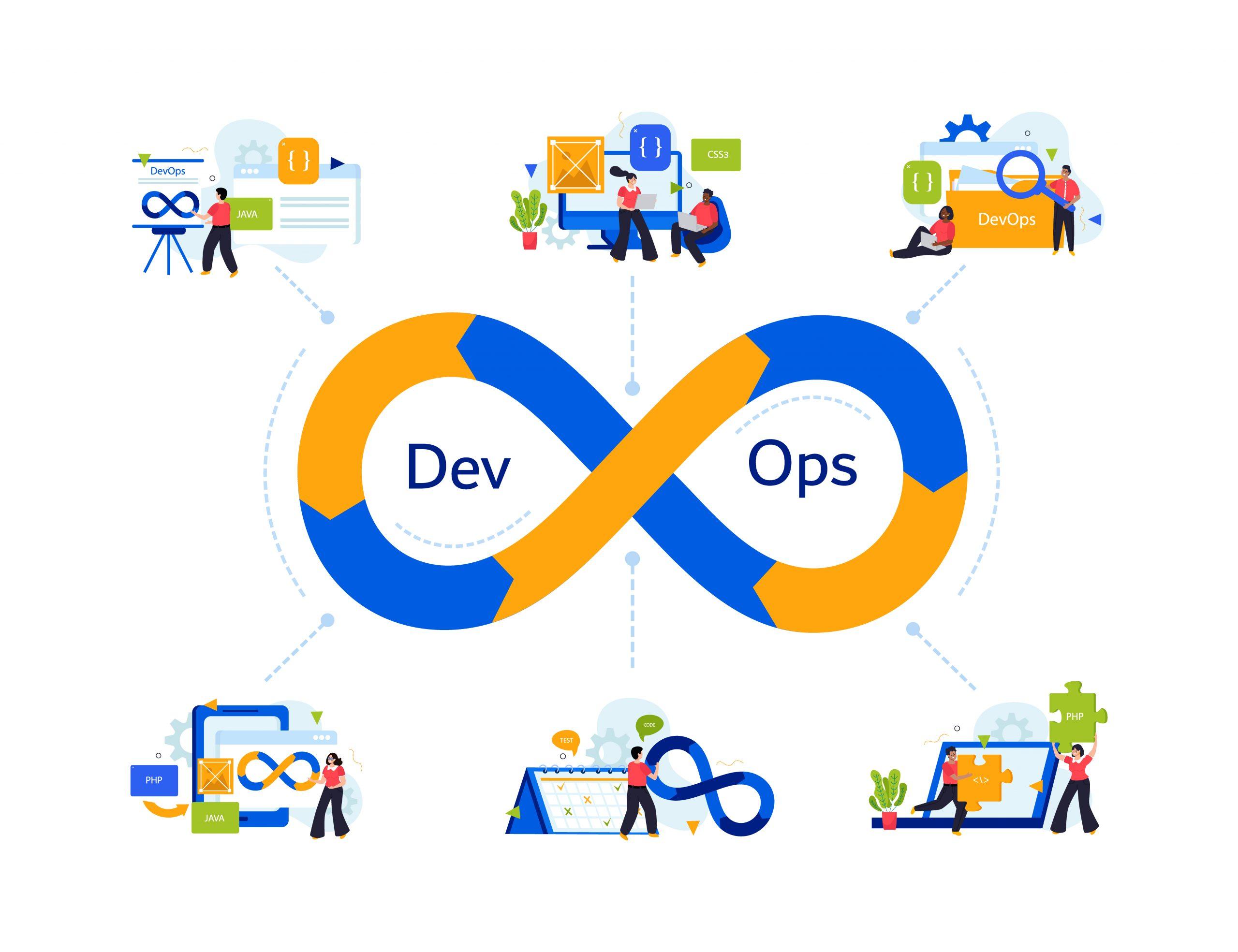
DevOps Engineer in Education Systems: Key Skills and Career Pathways Explained
are you passionate about technology, education, and innovation? Becoming a DevOps Engineer in education systems might be your ideal career path! as universities, colleges, and schools increasingly adopt digital learning platforms and modern software solutions, the demand for skilled DevOps professionals is booming. This comprehensive guide dives deep into the essential skills,career journeys,benefits,and insights you need to seize exciting DevOps roles in educational institutions.
Introduction to the Role: DevOps Engineer in Education Systems
DevOps Engineers bridge the gap between software progress and IT operations in an educational context. They focus on automating, streamlining, and optimizing processes that support digital learning environments, student portals, research management systems, and other critical education technologies. Whether you’re applying to work at a university, community college, or K-12 educational setting, the role of a DevOps Engineer is pivotal in keeping systems reliable, secure, and up to date.
What does a DevOps Engineer Do in Universities, Colleges, or Schools?
In education technology, DevOps Engineers wear many hats. Your day-to-day tasks could include:
- Maintaining and deploying Learning Management Systems (LMS) such as Moodle, Blackboard, or Canvas.
- Managing cloud infrastructure that hosts student details systems, research databases, and collaborative tools.
- Automating software integration and delivery pipelines to support seamless academic operations.
- Monitoring system performance, ensuring security, compliance, and backup solutions.
- Collaborating with IT, teaching staff, and administration to support evolving technology needs.
- Embedding best practices for continuous integration and continuous deployment (CI/CD).
- Troubleshooting incidents and implementing disaster recovery solutions.
The goal is to empower educators and students with reliable, efficient digital tools—making learning smoother and more accessible.
Key Skills Needed for devops Engineers in Education Technology
To thrive as a DevOps Engineer at a school, college, or university, candidates should blend technical expertise with communication, adaptability, and a passion for education. Here’s a closer look at core competencies:
1. Programming and Scripting Abilities
- Proficiency in languages such as Python, Bash, PowerShell, or Ruby.
- Automation skills for repetitive administrative tasks and deployments.
2. Cloud Infrastructure and virtualization
- Hands-on experience with Amazon Web services (AWS), Microsoft Azure, Google Cloud Platform (GCP), or private cloud frameworks.
- Understanding of containerization with Docker and orchestration using Kubernetes.
3. Configuration Management & Deployment Tools
- Experience with tools like Ansible, Puppet, Chef, or Terraform.
- Familiarity with CI/CD platforms such as Jenkins, GitLab CI, or GitHub Actions.
4. System Administration & Security
- Strong Linux/Unix system administration and networking fundamentals.
- Knowledge of firewalls, authentication methods, and data encryption crucial in educational environments where privacy is paramount.
5. Problem-Solving & Communication
- Ability to analyze problems, develop solutions, and communicate clearly with both technical and non-technical audiences.
- Collaborative mindset to work cross-functionally within an educational setting.
career Pathways: How to Become a DevOps Engineer in Education Technology
Interested in landing a devops job in education systems? Here’s a practical roadmap to guide your journey:
1. Educational Background
- bachelor’s degree in Computer Science, Information Technology, Software Engineering, or related fields.
- Relevant certifications such as AWS Certified DevOps Engineer, Azure DevOps Engineer expert, or Kubernetes Administrator offer a competitive edge.
2. Start with IT or Software Engineering Roles
- Many DevOps Engineers transition from roles like systems administrator, network engineer, or software developer.
- Build foundational experience in managing servers,scripting,and troubleshooting.
3. Gain DevOps-Specific Experience
- Work on automation, CI/CD pipelines, and infrastructure-as-code projects—open-source or internal.
- Contribute to education-focused software projects if possible to demonstrate domain relevance.
4. Apply for DevOps Positions at Universities and Schools
- Look for job postings at educational institutions, school districts, or EdTech vendors supporting academic clients.
- Highlight experience with learning management systems and educational technologies on your CV.
5. Continue Learning & Upskilling
- Stay updated with the latest in DevOps tools, cloud technologies, and security trends.
- Participate in professional networks or online communities related to education technology and DevOps.
Benefits of working as a DevOps Engineer in Education
Choosing to work in education technology as a DevOps Engineer brings a wide array of professional and personal rewards:
- Meaningful Impact: Directly contribute to improving digital learning experiences for students and educators.
- Job Stability: Educational institutions value reliability and continuity, offering secure employment opportunities.
- Diverse Tech Stacks: Exposure to a variety of platforms used in academic environments, from legacy systems to cloud-first solutions.
- Work-Life Balance: Many universities and schools promote flexible working hours and generous leave policies.
- Continuous Learning: Access to training resources,conferences,and collaborations with academic experts.
- Making a Difference: Use your technical skills for social good—supporting future generations of learners.
Practical Tips for Landing a DevOps Job in Education Systems
- Customize Your Resume: Showcase projects involving educational, e-learning, or research technologies.
- Develop Soft Skills: Employers in education value empathy, patience, and the ability to explain tech concepts clearly to non-technical staff.
- Showcase Security Expertise: Data privacy and information security are top concerns in schools and universities—demonstrate your mastery of these areas.
- Volunteer or Intern: Contributing to open-source EdTech projects or volunteering in educational IT can set your application apart.
- Network: Connect with IT managers, EdTech coordinators, and DevOps professionals in the education sector at events, webinars, or through professional organizations.
- Stay Proactive: Engage in relevant online communities, attend workshops, and keep your skills sharp with continuous practice.
Future Trends: The Evolving Role of DevOps in Education
The digital conversion sweeping through academia is opening numerous pathways for DevOps Engineers. Expect to see:
- Wider adoption of AI-powered learning management systems and analytics.
- Greater emphasis on cloud-first, scalable infrastructure supporting distance learning.
- Integration of secure collaboration platforms, remote assessment tools, and research data gateways.
- Increasing focus on cybersecurity,compliance,and data privacy in every aspect of education technology.
Staying ahead of these trends ensures continued demand and opportunities for DevOps professionals passionate about education.
Conclusion
Embarking on a career as a DevOps Engineer in education systems is both rewarding and impactful.With the right mix of technical skills, continuous learning, and a dedication to enhancing educational experiences, you can play a critical role in shaping the future of learning technology in universities, colleges, and schools. Whether you’re just starting out or aiming to advance in EdTech, the path is filled with growth, innovation, and the chance to make a difference.
Ready to get started? Begin building your DevOps expertise, connect with the educational technology community, and prepare to embark on a fulfilling journey empowering education through technology!