
DevOps Engineer in Education Systems: Key Skills, Roles, and Career Guide
In the rapidly evolving landscape of education technology, DevOps Engineers are playing a crucial role in transforming how universities, colleges, and schools deliver learning experiences.The demand for skilled DevOps professionals in education systems is at an all-time high as institutions strive to modernize their digital infrastructure, improve reliability, and accelerate the deployment of innovative EdTech solutions. If you’re a job seeker interested in becoming a DevOps engineer in education, this complete career guide will walk you through essential skills, core responsibilities, and strategies for securing your dream role in the educational sector.
Why DevOps in Education Systems Matters
The integration of DevOps practices in education technology has revolutionized the way academic institutions manage and deploy applications. From Learning Management Systems (LMS) to cloud-based classrooms and administrative tools, the need for scalable, reliable, and secure IT solutions has never been greater. DevOps Engineers bridge the gap between development and operations teams, enabling rapid innovation while maintaining system stability—key to delivering a seamless digital learning experience to students and educators alike.
Core Responsibilities of a DevOps Engineer in Schools, Colleges, and Universities
The role of a DevOps Engineer in education is multifaceted, involving both technical and strategic responsibilities. Below are some of the primary duties you can expect in this career path:
- Infrastructure Automation: Automating the provisioning, configuration, and management of IT infrastructure to support educational applications.
- Continuous Integration and Deployment (CI/CD): Setting up pipelines to enable faster, more reliable software releases for education platforms and tools.
- System Monitoring and maintenance: implementing monitoring solutions to ensure uptime and performance of mission-critical systems supporting students and staff.
- Security and Compliance: Ensuring systems meet data privacy standards (like FERPA or GDPR),protecting sensitive student and faculty data.
- Collaboration and Dialog: Working closely with developers,IT staff,educators,and external vendors to ensure smooth project execution.
- Cloud Services Management: Leveraging cloud platforms such as AWS, azure, or Google cloud to provide scalable solutions for distance learning and resource sharing.
- Disaster recovery and Backup: Creating robust backup strategies and recovery plans to minimize downtime in the event of a system failure.
Essential Skills for a DevOps Engineer in Education Technology
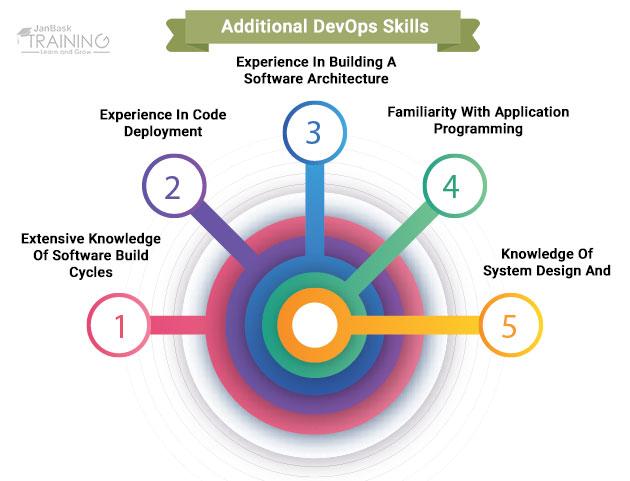
To succeed as a DevOps Engineer in education systems, mastering a blend of technical expertise and soft skills is essential. Here are the key skills valued by universities,colleges,and schools:
Technical Skills
- Configuration Management: Experience with tools like Ansible,puppet,or Chef for managing large-scale systems.
- Infrastructure as Code (IaC): Proficiency in Terraform or CloudFormation for automated infrastructure deployment.
- Containerization: Knowlege of Docker and Kubernetes for developing and orchestrating containerized applications.
- Scripting: Strong skills in Bash, Python, or PowerShell to automate routine tasks.
- Version Control: Familiarity with Git and GitHub or GitLab workflows for team collaboration.
- Monitoring Tools: Hands-on experience with tools like Prometheus,Grafana,Nagios,or Datadog.
- Cloud Computing: Skilled in deploying and managing resources on AWS,Azure,or Google Cloud.
- CI/CD Tools: Practical use of jenkins, travis CI, CircleCI, or GitHub Actions to streamline software delivery.
- Networking and Security: Understanding of firewalls, VPNs, identity management, and security best practices in an educational context.
Soft Skills
- Problem-Solving: quick thinking and analytical abilities for resolving incidents affecting learning platforms.
- Collaboration: Team player capable of working with cross-functional teams, including educators and administrative staff.
- Communication: Able to convey complex technical concepts to non-technical stakeholders.
- Adaptability: Willingness to learn new technologies and adapt to evolving educational needs.
- Project Management: Organizational skills to juggle multiple projects and deadlines efficiently.
Career opportunities and Growth Potential
DevOps Engineers are in high demand across a variety of educational institutions,including K-12 schools,community colleges,private universities,public research universities,and EdTech service providers. Career advancement can lead to roles such as:
- Senior DevOps Engineer
- Site Reliability Engineer (SRE)
- Cloud Solutions Architect
- DevOps Team Lead or Manager
- Head of IT Operations
With the digital change of educational systems accelerating, job security and opportunities for professional development are abundant for those with the right skillset.
Benefits of Becoming a DevOps Engineer in Education Systems
Choosing a DevOps career in the education sector offers unique advantages compared to other industries:
- Purposeful Work: Make a real impact by improving access to quality education and facilitating learning experiences for students and educators.
- Stable and Supportive Surroundings: Educational institutions offer job security and opportunities for continuous learning.
- Cutting-Edge Technologies: Work at the forefront of digital transformation with cloud, AI, and automation in education technology.
- Work-Life Balance: Many universities and colleges provide flexible schedules and generous time-off policies.
- Collaborative culture: Engage with diverse teams,including passionate educators and innovative EdTech specialists.
Practical Tips for Landing a DevOps Engineer Job in Education
Ready to start your journey as a DevOps Engineer in education? Here are some actionable tips to enhance your job search and submission process:
1. Build a Strong project Portfolio
Showcase hands-on experience by contributing to open-source EdTech projects, volunteering at local schools, or creating your own automation solutions. Real-world examples highlight your technical proficiency and commitment to education.
2. Tailor your Resume and Cover Letter
Align your application materials with the specific requirements listed in education sector job postings. Emphasize experience with tools and practices relevant to learning platforms, student facts systems, or cloud-based educational apps.
3.Obtain Industry-Recognized Certifications
- AWS Certified devops Engineer or azure DevOps engineer Expert
- Certified Kubernetes Administrator (CKA)
- HashiCorp Certified: Terraform Associate
- CompTIA Security+
These certifications validate your skills and make your application stand out to employers in academia.
4. Network with Education Technology Professionals
Attend EdTech conferences, webinars, and local meetups. Engage with university IT staff or join online communities to gain insights into institutional needs and hiring trends.
5. Showcase Communication Skills
Be prepared to explain complex DevOps concepts in simple terms during interviews.demonstrating your ability to bridge the gap between technical and non-technical stakeholders is highly valued in education settings.
6. Stay informed on Educational Regulations
Familiarize yourself with compliance standards relevant to education, such as FERPA (Family Educational Rights and Privacy act), COPPA, or GDPR, to highlight your readiness to protect sensitive data.
7. Prepare for Practical Assessments
Many universities include technical assessments in their hiring process. Practice tasks related to cloud deployments, CI/CD setups, or infrastructure automation that mimic real-world scenarios in educational environments.
Sample devops Engineer Career Path in Education
If you’re curious about how a career as a DevOps Engineer in education can progress, here’s a typical roadmap:
- Entry-Level IT or systems Administrator: Gain foundational experience in managing networks, servers, and educational software systems.
- Junior DevOps Engineer: Start working on automation scripts, CI/CD pipelines, and cloud-based education projects under the guidance of senior staff.
- DevOps Engineer: Take ownership of critical systems, lead modernization efforts, and drive digital transformation within schools or universities.
- Senior/Lead DevOps Engineer: Oversee strategy, mentor junior staff, and steer institution-wide technology initiatives.
- Leadership Roles: Potentially move into IT management, EdTech consultancy, or cloud architecture positions.
Conclusion: Your Future as a DevOps Engineer in Education Technology
The role of a DevOps Engineer in education systems is both rewarding and vital, offering the perfect blend of technological innovation and meaningful impact. By equipping yourself with the right technical and soft skills, staying informed about emerging trends, and actively networking within the EdTech community, you can carve out a successful DevOps career in universities, colleges, or schools. Whether you’re passionate about improving digital learning platforms or ensuring the security and reliability of educational systems, your expertise will help shape the future of education technology.
Start building your pathway today and join the next generation of professionals making a difference in education through DevOps!