
DevOps Engineer in Education Systems: Key Skills, Roles, and Career Insights
As education institutions embrace digital conversion, the demand for skilled DevOps Engineers in education technology (EdTech) is rapidly growing. universities, colleges, and schools are leveraging modern cloud-based solutions, automation, and robust IT infrastructure to ensure seamless learning experiences for students and educators alike. If you’re considering a career as a DevOps Engineer in Education Systems, understanding the required skills, key responsibilities, and practical pathways to success is crucial. This complete guide provides actionable insights tailored for job seekers aiming to thrive in this dynamic field.
Why DevOps Engineering Matters in education Technology
The shift towards online learning, digital assessment tools, and cloud-based administrative systems has transformed how educational institutions operate. DevOps Engineers are at the heart of this transformation, ensuring that software progress and IT operations work hand-in-hand to deliver stable, scalable, and secure education platforms. Their expertise accelerates software deployment,improves system reliability,and helps EdTech teams rapidly adapt to changing academic needs.
Key Roles and Responsibilities of a DevOps Engineer in Education Systems
A DevOps Engineer in the education sector bridges the gap between software development and IT infrastructure teams. Typical roles and responsibilities include:
- Collaborating with software developers,system administrators,and academic technology staff to streamline software deployment and updates.
- designing, implementing, and managing automated CI/CD (Continuous Integration/Continuous Delivery) pipelines for rapid and reliable software releases.
- Maintaining the integrity, security, and scalability of cloud-based and on-premise infrastructure (e.g., AWS, Azure, Google Cloud, or private cloud solutions).
- Implementing infrastructure as code (IaC) practices using tools such as Terraform, Ansible, or CloudFormation.
- Monitoring and troubleshooting request performance, optimizing resources to ensure a smooth user experience for students and faculty.
- Establishing proactive system monitoring, alerting, and log management workflows to quickly identify and resolve issues.
- Supporting data privacy and compliance initiatives that are critical for handling student information and research data.
- Advocating for DevOps best practices within the institution, fostering a culture of continuous enhancement, collaboration, and automation.
Essential Skills for a DevOps Engineer in EdTech
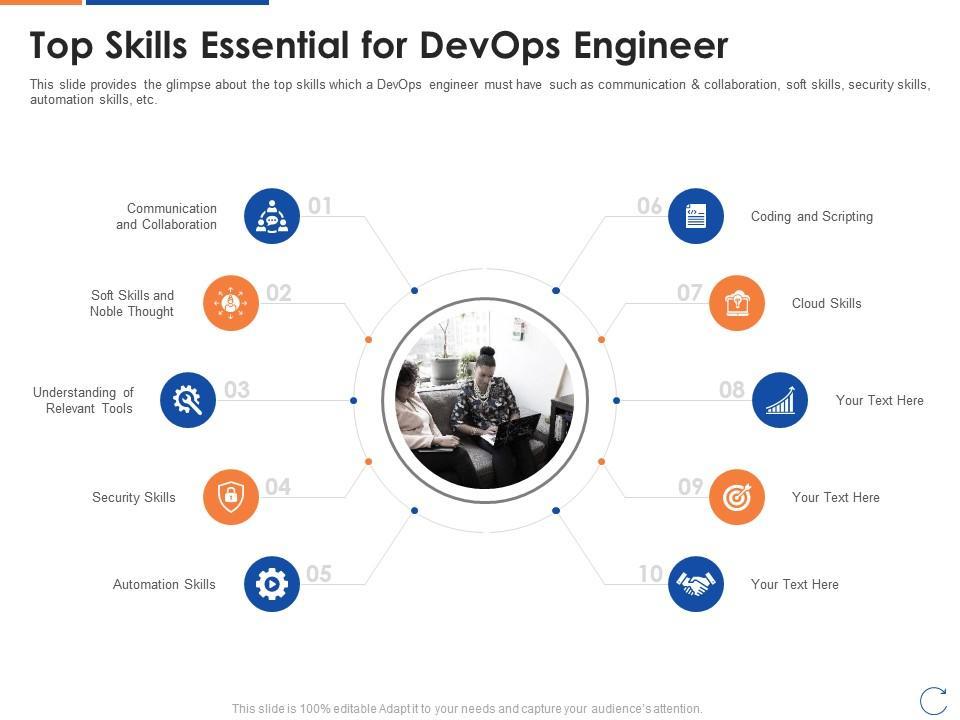
Educational technology environments present unique challenges that require both technical expertise and an understanding of academic needs. To excel as a DevOps Engineer in education systems, job seekers should build the following skillset:
1. Technical Proficiency
- cloud platforms: Proficiency in AWS, Azure, or Google Cloud fundamentals, especially as they relate to education technology solutions.
- configuration Management: Experience with Ansible, Puppet, or chef to automate software deployments and system configurations.
- Scripting Languages: Solid knowledge of Python, Bash, or PowerShell for automating routine tasks and building deployment scripts.
- Containerization: familiarity with Docker and Kubernetes for managing scalable, containerized applications.
- CI/CD Tools: Hands-on experience with Jenkins, GitLab CI, or Travis CI to automate build, test, and deployment workflows.
- Version Control: Mastery of Git workflows in collaborative development environments.
2. Security and Compliance
- Deep understanding of data privacy, particularly regarding FERPA, GDPR, and HIPAA regulations commonly encountered in education.
- Implementing secure infrastructure practices, endpoint protection, and regularly assessing system vulnerabilities.
3. Collaboration and Dialog
- Ability to translate complex technical concepts for non-technical stakeholders such as educators and administrative staff.
- Fostering a DevOps culture through mentorship, training sessions, and collaborative problem-solving.
4. Problem Solving and Adaptability
- Quickly diagnosing and resolving issues affecting learning platforms,development tools,or back-end services.
- Adapting to new technologies and education tools as digital trends evolve.
Benefits of Working as a DevOps Engineer in Education technology
pursuing a career as a DevOps Engineer in EdTech offers numerous advantages,both professionally and personally:
- Meaningful Impact: Directly contribute to the digital transformation of learning environments,enhancing access to education and student success.
- Job Stability: As e-learning and digital classrooms become mainstream, demand for skilled DevOps professionals in education continues to rise.
- Career Growth: Opportunity to advance into senior engineering roles, solutions architecture, or IT leadership within large academic institutions.
- Work-Life Balance: Universities and colleges often provide flexible work arrangements, comprehensive benefits, and generous vacation policies.
- Continuous Learning: Exposure to cutting-edge technologies and collaborative research projects encourages ongoing professional development.
Practical Tips for Job Seekers: Landing a devops Role in Education Systems
If you’re targeting a DevOps engineering career in academic institutions, here are some practical steps to enhance your prospects and stand out to hiring committees:
Refine Your Skills and Certifications
- Gain recognized certifications such as AWS Certified DevOps Engineer, Google Professional DevOps Engineer, or Microsoft Certified: DevOps Engineer Expert.
- Stay updated with leading DevOps tools and practices by participating in online courses and attending relevant webinars or conferences focused on EdTech trends.
Showcase Experience with EdTech Solutions
- Highlight experience with popular Learning Management Systems (LMS) like Moodle, Canvas, or Blackboard.
- Show involvement in projects that support digital assessment, virtual classrooms, or student analytics platforms.
Demonstrate Security and Compliance Knowledge
- Provide examples from your portfolio where you’ve implemented security best practices, managed data for compliance, or responded to incidents involving sensitive information.
Leverage University Career Platforms
- Apply directly to university,college,or school tech job boards,which often list specialized IT and devops roles not found elsewhere.
- Network with IT staff and administrators during campus career fairs or through professional organizations relevant to education technology.
Prepare for Panel Interviews
- University and school hiring processes frequently enough involve collaborative interviews with faculty, IT staff, and human resources. Be ready to communicate technical approaches in relatable, student-centered terms.
- Highlight your commitment to diversity, accessibility, and the broader educational mission—core values in most academic organizations.
Career Pathways and Advancement Opportunities
DevOps Engineers in education technology settings often start as junior or mid-level engineers but can quickly move to more senior positions as they gain specialized expertise.
- Senior DevOps Engineer: Managing larger infrastructure,overseeing devops teams,and designing institution-wide automation strategies.
- Cloud Solutions Architect: Designing comprehensive cloud migration and optimization strategies for academic technology ecosystems.
- IT Operations Manager/Director: Leading technology operations for entire departments or campuses, driving digital transformation across the institution.
- EdTech Product Owner: Overseeing the lifecycle and improvement of technology products tailored for student and faculty use.
Conclusion: Is a DevOps Engineering Job in Education Technology Right for You?
Stepping into the role of a DevOps Engineer in education systems is more then just a technical career move—it’s a chance to drive innovation, support learning, and create environments where technology empowers both educators and students. This career offers the perfect blend of purpose-driven work and evolving technical challenges,making it an ideal choice for passionate IT professionals ready to make a real difference in the academic world.
By honing your devops skillset, staying curious about emerging EdTech tools, and demonstrating your understanding of security, collaboration, and compliance, you’ll set yourself up for career success. The future of education is digital, and your expertise can help shape it.