
DevOps Engineer in Education Systems: Key Skills, Roles, and Career opportunities
Are you passionate about technology and education? The role of a DevOps Engineer in education systems is rapidly growing in demand at universities, colleges, and schools around the world. As educational institutions increasingly rely on sophisticated digital platforms for learning, research, and governance, there is a pressing need for tech professionals who can streamline and secure thes complex systems. In this extensive article, we’ll walk you through everything you need to know about becoming a DevOps Engineer in education technology, covering essential skills, key responsibilities, career pathways, and much more.
Why DevOps Matters in Education Technology
The integration of digital technology in education—commonly referred to as EdTech—is transforming how institutions deliver instruction, manage resources, and support student learning. With online learning platforms, interactive apps, and robust back-end student details systems, the architecture behind education is more complex than ever.
DevOps Engineers play a crucial role in this environment by bridging the gap between software development and IT operations. Their expertise ensures educational platforms are reliable,scalable,and secure,directly impacting the digital learning experience for students,faculty,and administrators.
Key Responsibilities of a DevOps Engineer in educational Settings
The primary function of a DevOps Engineer in universities, colleges, or schools is to oversee the efficient deployment, operation, and maintenance of learning management systems (LMS), cloud-based education platforms, and associated digital services. Here are some of the central roles and responsibilities you can expect:
- Designing and implementing CI/CD (Continuous Integration and Continuous Deployment) pipelines for EdTech applications
- Automating software deployments and infrastructure management using tools like Jenkins,GitLab CI,or GitHub Actions
- Monitoring system performance and ensuring high availability of digital learning platforms
- Collaborating with developers,IT staff,instructional designers,and faculty to deliver robust digital solutions
- Maintaining cloud infrastructure (AWS,Azure,Google Cloud) for web-based education services
- Ensuring submission and data security,including compliance with privacy regulations such as FERPA and GDPR
- Troubleshooting and resolving technical issues affecting students and educators
- Developing and enforcing scripts,infrastructure-as-code,and automation workflows
- Supporting and managing backup,recovery,and disaster recovery strategies specific to educational environments
- Implementing version control best practices and rollback systems for software updates
Essential DevOps Skills for Education Technology
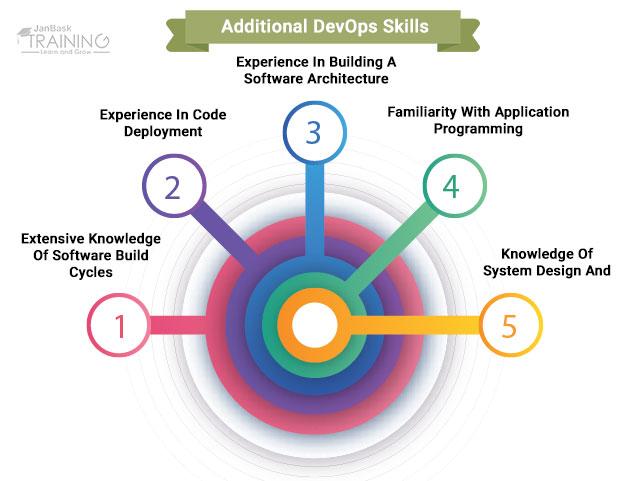
If you aspire to become a triumphant devops Engineer in education systems,a robust set of technical and soft skills is vital. Below are the key competencies universities,colleges,and schools seek:
Technical Skills
- Linux/UNIX System Administration – Managing education platforms often requires experience with Linux environments and shell scripting.
- Configuration Management – Tools like Ansible, Puppet, or Chef are widely used for provisioning and automating server setup.
- Cloud Services – Deep knowledge of AWS, Azure, or Google Cloud services for deploying and scaling educational resources.
- Containers & Orchestration – Familiarity with Docker,Kubernetes,or OpenShift to run scalable EdTech applications.
- Continuous Integration/Continuous Deployment (CI/CD) – Using tools such as Jenkins, Travis CI, CircleCI, and GitHub Actions to streamline releases and updates.
- Infrastructure as Code (IaC) – An understanding of Terraform, CloudFormation, or similar platforms.
- Version Control Systems – Proficiency in Git for managing source code and collaborating across teams.
- Monitoring & Logging – Utilizing monitoring tools (Prometheus, Grafana, ELK Stack) for uptime and performance analysis.
- Database Management – Experience with MySQL, PostgreSQL, MongoDB, or other databases commonly used in online learning platforms.
- Security Best Practices – Awareness of encryption, authentication, authorization, and compliance relevant to educational data.
Soft Skills
- Collaboration – Working effectively with cross-functional teams of developers, IT professionals, and academic staff.
- Problem Solving – Diagnosing and resolving complex issues under time constraints,especially during exams or registration periods.
- Communication – explaining technical concepts to non-technical stakeholders such as faculty and administrators.
- Adaptability – Staying agile and updated in a rapidly evolving technology landscape.
- Attention to Detail – Building reliable and secure solutions that support thousands of users.
Career Opportunities for DevOps Engineers in Education
The increased digitalization of education has created numerous career opportunities for DevOps professionals within academic settings. Below are some common roles and career paths available at universities, colleges, and schools:
- DevOps Engineer, EdTech Department – Works within a university or college’s IT or EdTech departments to build and manage infrastructure for learning tools and research platforms.
- Cloud Infrastructure Engineer – Specializes in designing and maintaining cloud-native learning environments and applications used for distance and online learning.
- Site Reliability Engineer (SRE) – Focuses on system reliability and uptime for mission-critical education platforms.
- Automation Engineer – Implements new tools and processes to automate infrastructure, deployment, or data workflows in K-12 school districts.
- EdTech Consultant – Advises educational institutions on best practices for implementing DevOps in digital classrooms and administrative systems.
With experience, a DevOps Engineer in education can progress to senior or managerial positions such as Head of IT Infrastructure, Director of Educational Technology, or Chief Information Officer (CIO). Some may also transition into related fields like data engineering, cybersecurity, or cloud architecture.
Benefits of Working as a DevOps Engineer in Education Systems
Choosing a career as a DevOps Engineer in education offers unique rewards and professional satisfaction:
- Meaningful Impact – Your work directly supports student success and academic innovation, positively affecting thousands in your community.
- Variety and Challenge – Every day brings new technical challenges, from software upgrades to high-traffic online exams.
- Collaborative Environment – Work closely with passionate educators, administrators, and fellow technology professionals.
- Job Stability – Education is a stable sector with an ongoing need for digital conversion experts.
- Room for Growth – With the rapid adoption of cloud, AI, and data analytics in education, career progression is promising.
- Work-Life Balance – Many academic institutions offer flexible working arrangements and generous time off policies.
Practical tips for Landing a DevOps Job in Education Technology
If you’re ready to pursue a DevOps role in education, consider these actionable steps to improve your chances:
- Earn Relevant Certifications – Consider certifications such as AWS Certified DevOps Engineer, Google Cloud Certified Professional DevOps Engineer, or Azure DevOps Engineer Expert.
- Build a Portfolio – Showcase your experience by creating case studies or repositories that demonstrate your automation, cloud, and CI/CD work.
- Familiarize Yourself with educational platforms – Gain hands-on experience with systems like Moodle, Blackboard, Canvas, or PowerSchool.
- Stay Updated – Follow EdTech trends, new security regulations (like FERPA), and open-source technology advancements.
- Network – Join professional associations, attend EdTech conferences, and participate in online forums or webinars.
- tailor Your Resume – Highlight technical skills and relevant project experience that align with the specific needs of educational institutions.
- Prepare for Interviews – Practice explaining DevOps principles to non-technical interviewers and be ready to discuss security, uptime, and compliance in an educational context.
Conclusion: Your Pathway to a Rewarding DevOps Career in Education
As digital transformation accelerates across all levels of education, the demand for skilled DevOps Engineers in educational systems is on the rise. by combining technical expertise with a passion for empowering educators and learners, you can forge a fulfilling and dynamic career in this high-impact sector. Whether you’re just starting out or advancing your IT career, now is the perfect time to explore the vast opportunities that await within academic institutions—helping to shape the future of learning, one deployment at a time.