
DevOps Engineer in Education Systems: Key Skills, Roles, and Career Path
Introduction
The education sector is rapidly embracing technology to enhance learning experiences and streamline administrative operations. As universities, colleges, and schools deploy complex digital platforms, demand has surged for specialized IT professionals—especially DevOps Engineers. If you’re considering a career as a DevOps Engineer in education technology, this thorough guide will help you understand essential skills, everyday roles, the benefits of the position, practical tips, and potential career progression. Whether you’re new to DevOps or looking to transition into the education sector, read on to discover how you can excel in this dynamic field.
What does a DevOps Engineer in Education Systems Do?
DevOps Engineers serve as the bridge between development (Dev) and IT operations (Ops) within educational institutions. Thier main objective is to automate processes, increase software delivery speed, and ensure high system reliability. In colleges, universities, and schools, DevOps professionals play a pivotal role in deploying, securing, and maintaining learning management systems (LMS), student information systems (SIS), and a wide array of digital classroom tools.
- Managing infrastructure for online learning platforms
- Automating deployment pipelines for educational software
- Ensuring data security and compliance with educational regulations
- Monitoring, troubleshooting, and optimizing system performance
Their contribution directly impacts the effectiveness of digital learning and the efficiency of administrative processes.
Key Skills Required for DevOps Engineers in Education Technology
To thrive as a DevOps Engineer in education systems, a unique combination of technical proficiency and soft skills is essential. Below are the core areas that recruiters in universities, colleges, and schools look for:
Technical Skills
- Cloud Platforms: Experience with AWS, Azure, or Google Cloud, commonly used for hosting education platforms.
- Configuration Management: Tools like Ansible, Chef, or Puppet for automating repetitive tasks.
- CI/CD Pipelines: Proficiency in setting up and managing continuous integration and deployment pipelines using Jenkins, GitLab CI, etc.
- Containerization: Knowledge of Docker and Kubernetes for scalable deployment of educational applications.
- version Control: Advanced Git skills to collaborate with development teams effectively.
- Monitoring and Logging: Using tools like Prometheus, Grafana, Nagios, or ELK Stack to ensure systems remain reliable and secure.
- Scripting and Automation: Strong skills in bash, Python, or PowerShell for process automation.
- Security Best Practices: Familiarity with FERPA, GDPR, or other education-related compliance requirements.
Soft Skills
- Problem-Solving: Ability to quickly identify and resolve issues across development, deployment, and operations stages.
- Collaboration: Working closely with software developers, IT staff, and faculty members.
- Interaction: Explaining technical issues to non-technical stakeholders in simple terms.
- Adaptability: Staying updated on new educational technologies and industry trends.
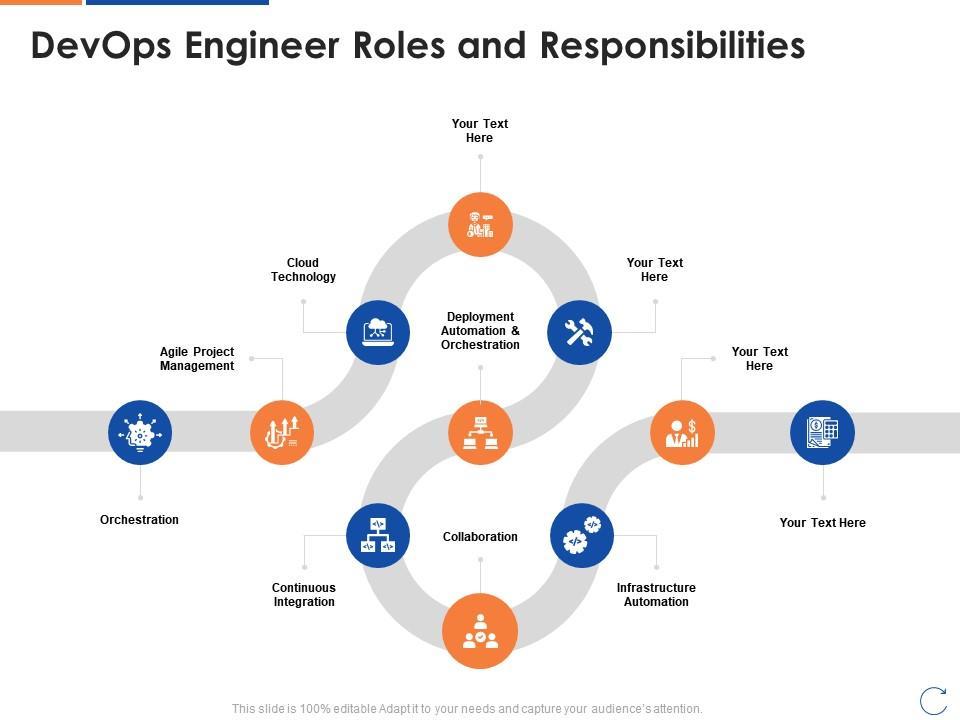
Roles and responsibilities of a DevOps Engineer in Education Systems
A DevOps Engineer’s daily work in universities, colleges, or schools extends beyond customary IT roles. Below is a breakdown of typical responsibilities:
- System Implementation: Deploy and maintain educational applications, platforms, and services.
- Infrastructure Management: Use Infrastructure as Code (IaC) to design and manage cloud-based or on-premise resources efficiently.
- Pipeline Automation: Create and improve build, test, and deployment pipelines for streamlined software delivery.
- Monitoring & Support: Proactively monitor systems, set up alerts, and respond to outages or performance dips.
- security and Compliance: Implement security controls to protect student data and comply with educational standards.
- Disaster recovery: Ensure robust backup and recovery processes for critical educational data and services.
- Continuous betterment: Gather feedback to enhance system architecture and processes continually.
- Documentation & Training: Create clear documentation for IT staff and deliver occasional training to educators or administrators.
The Career Path of a DevOps Engineer in Education Technology
Education technology offers a range of exciting opportunities and a well-defined career trajectory for DevOps professionals. Here’s an overview of a typical path:
- Entry-Level: Start as a Junior DevOps Engineer or IT Systems Administrator, focusing on basic scripting, automation, and platform support.
- Mid-Level: Step into roles such as DevOps Engineer, Infrastructure Engineer, or Site Reliability Engineer (SRE), managing complex education technology ecosystems.
- Senior Roles: Advance toward Senior DevOps Engineer, Cloud Architect, or DevOps Team Lead, handling project management, mentoring, and strategic planning.
- Specializations: Choose to specialize in Security (DevSecOps), Cloud engineering, or Automation, or transition into management or solution architecture roles.
Many educational institutions also support ongoing professional development, so it’s common to pursue additional certifications, attend tech conferences, or enroll in continuing education courses.
Benefits of Being a DevOps Engineer in Education Systems
- Job Security: Growing reliance on digital learning means steady demand for talented DevOps professionals.
- Purposeful Impact: Directly contribute to enhanced learning experiences and more equitable access to education.
- Collaborative Work surroundings: Work alongside educators,IT professionals,and administrators on meaningful projects.
- Professional Growth: Access to challenging projects, emerging technologies, and opportunities for career progression or specialization.
- Work-Life Balance: Many educational institutions offer reasonable work hours and family-friendly benefits.
Practical Tips for Landing a DevOps Engineer Job in Education Technology
- Tailor Your Resume: Highlight experience with education-specific technologies and compliance (such as LMS, SIS, or student data protection).
- Showcase Projects: Include links to code repositories or case studies demonstrating your impact in previous roles.
- Certifications Matter: Obtain certifications such as AWS Certified DevOps Engineer,Azure DevOps Solutions Expert,or Kubernetes Administrator.
- stay Current: Follow trends in EdTech and participate in open-source projects related to learning platforms or digital classrooms.
- Practice Interview Skills: Be prepared to answer scenario-based questions about handling outages, scaling systems, or implementing compliance controls for student data.
- Network with Peers: Join online forums, attend education technology meetups, and connect with professionals working in your target institutions.
Conclusion
The role of a DevOps Engineer in education technology is both challenging and rewarding. You’ll be at the forefront of innovation, ensuring that universities, colleges, and schools deliver seamless digital learning experiences while maintaining high standards for security and reliability. by honing your technical and interpersonal skills, staying informed about education-specific trends, and pursuing professional growth, you can build a fulfilling and impactful career in this vital sector.Now is the perfect time to take the next step and join the growing community of DevOps professionals shaping the future of education.