
DevOps Engineer in Education Systems: Key Skills, Roles, and Career Pathways
Are you passionate about both technology and education? Do you want to play a vital role in improving how schools, colleges, and universities deliver digital learning? Working as a DevOps Engineer in education systems could be the perfect career path for you. This guide will help you understand what the role entails, the essential skills you need, potential career trajectories, and practical tips for thriving in this dynamic field.
Introduction to DevOps in Education Technology
The education sector is undergoing rapid digital transformation, with learning management systems, online assessment tools, and virtual classrooms becoming the new norm. DevOps Engineers act as the bridge between software progress and IT operations, ensuring that technology infrastructure in education is robust, scalable, and secure.
Universities,colleges,and schools increasingly rely on cloud-based applications,smart campus solutions,and AI-powered platforms. A DevOps Engineer in EdTech ensures seamless deployment,reliability,and performance of these systems,directly enhancing the educational experience for students and educators alike.
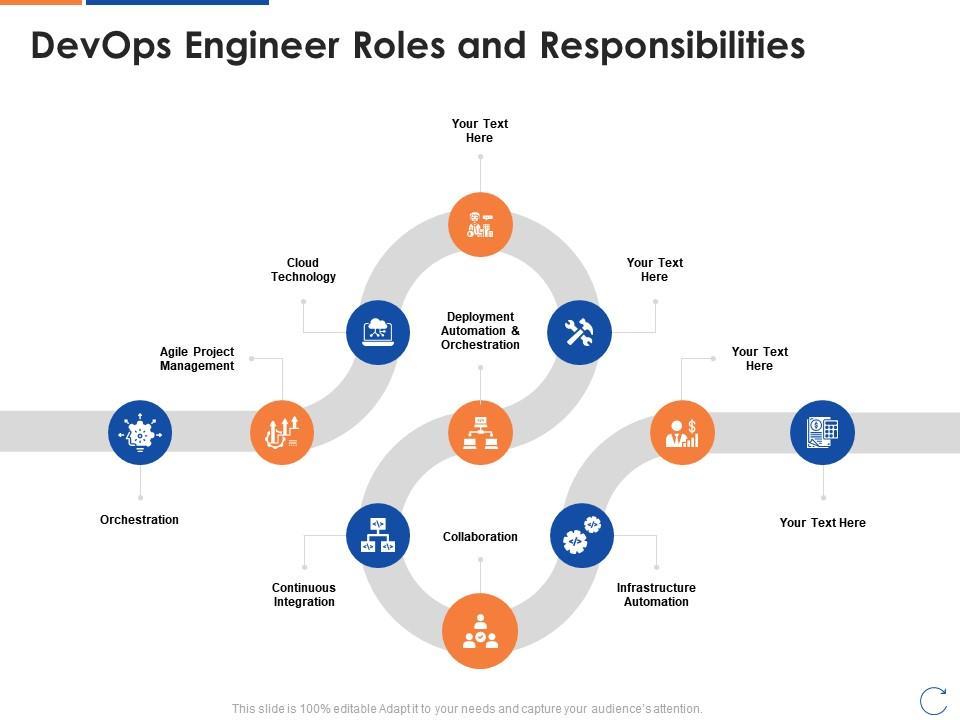
Key Roles and responsibilities of a DevOps Engineer in Education Systems
devops Engineers in the education sector play a multifaceted role, combining technical expertise with a deep understanding of pedagogical needs. Here’s what you can expect from the typical job description:
- infrastructure Management: Design, implement, and manage cloud and on-premises infrastructure to support learning platforms and administrative systems.
- Continuous Integration and Continuous Deployment (CI/CD): Automate software testing and deployment pipelines for seamless updates and rollbacks with minimal downtime.
- Monitoring and Troubleshooting: Set up monitoring tools to ensure reliability, performance, and security of education technology systems. Respond proactively to incidents and outages.
- Security and Compliance: Implement robust security protocols and ensure compliance with data privacy laws (such as FERPA, GDPR) in the handling of student and faculty facts.
- Collaboration: Work closely with software developers, IT support, faculty, and educational administrators to align technical solutions with institutional goals.
- Disaster Recovery: Develop and maintain backup and disaster recovery procedures to safeguard critical educational data.
- Automation: Automate routine tasks to improve agility, efficiency, and scalability of EdTech environments.
- Documentation: Maintain clear documentation for infrastructure, deployment procedures, and troubleshooting guides to aid knowlege transfer and onboarding.
Essential Skills for devops Engineers in Education Systems
To succeed as a DevOps Engineer in educational technology, you’ll need a blend of technical, analytical, and interpersonal skills.Recruiters at universities, colleges, and schools often look for candidates with expertise in the following areas:
Technical Skills
- Cloud Platforms: Proficiency with AWS, Microsoft Azure, or Google Cloud, as most EdTech systems rely on cloud infrastructure.
- Containerization: Experience with Docker, Kubernetes, or similar tools for managing and scaling applications.
- Scripting and Programming: Agreeable coding in Bash, Python, or PowerShell for automation and system integration tasks.
- CI/CD Tools: Familiarity with Jenkins, GitLab CI, CircleCI, or similar platforms for automating deployments.
- Configuration Management: Knowledge of Ansible, Puppet, Chef, or Terraform for provisioning and managing infrastructure as code.
- Monitoring and Logging: Experience with Prometheus, Grafana, ELK stack, or similar monitoring tools.
- Networking and Security: Understanding of VPNs, firewalls, SSL, IAM, and best practices for securing sensitive educational data.
Soft Skills
- Collaboration: Ability to work with cross-functional teams, including developers, educators, and IT staff.
- Problem-Solving: Rapid thinking and innovative troubleshooting skills when technical problems arise.
- Communication: Explaining complex technical concepts in simple terms for non-technical colleagues.
- Adaptability: Willingness to learn new technologies and adapt to evolving educational needs.
Typical Career Pathways for DevOps Engineers in education technology
The career path for a DevOps Engineer in education technology is both rewarding and flexible. Depending on your interests and expertise, you can pursue several trajectories:
- Junior DevOps Engineer: Start by assisting with routine tasks—monitoring, scripting, basic deployments—while learning educational software and compliance requirements.
- DevOps Engineer: Manage infrastructure, automate workflows, and take ownership of CI/CD pipelines for e-learning systems and educational applications.
- Senior DevOps Engineer/Lead: Lead teams, design architecture for large-scale education systems, and drive digital transformation initiatives.
- Site Reliability Engineer (SRE): Focus on system reliability, uptime, and performance for mission-critical education applications.
- DevOps Architect: Oversee infrastructure strategy for multiple campuses or networks of schools, focusing on scalability, security, and innovation in educational delivery.
- Education Technology Consultant: Advise institutions on best practices for deploying and maintaining teaching and learning platforms.
Benefits of Working as a DevOps Engineer in Education Systems
Choosing a career as a DevOps Engineer in EdTech offers unique advantages:
- Purpose-driven Work: Directly contribute to improving access to quality education and enhancing the student learning experience.
- Innovation Opportunities: Work with cutting-edge digital tools and help shape the future of education.
- Job Security: as educational institutions digitize, demand for DevOps professionals in schools, colleges, and universities continues to grow.
- Professional Growth: Ample opportunities for ongoing learning, certifications, and transition to leadership roles within education technology teams.
- work-Life Balance: Many educational institutions offer flexible schedules, generous holidays, and a positive organizational culture.
Practical Tips: How to Land a DevOps Engineer Role in Education systems
If you’re eager to apply for a DevOps Engineer position at a university, college, or school, follow these practical steps to enhance your employability:
- Build a Strong Technical Foundation: Master the core DevOps tools and practices—cloud, automation, containers, CI/CD, and scripting.
- Gain Experience with Educational Technologies: Familiarize yourself with learning management systems (e.g., Moodle, Canvas), student information systems, or classroom collaboration tools.
- Showcase Relevant Projects: Contribute to open-source EdTech platforms or develop your own projects that address educational challenges.
- Highlight Soft Skills: Emphasize your teamwork, adaptability, and communication skills in your resume and interviews.
- Pursue Certifications: Consider cloud (AWS/Azure/GCP), Kubernetes, or DevOps-specific certifications to validate your expertise.
- Understand Compliance and Security: Demonstrate awareness of data privacy laws and security best practices specific to education.
- Network with EdTech Professionals: Attend webinars, join online forums, and participate in local meetups focused on education technology.
- Customize Your applications: Tailor your cover letter and CV for each institution,referencing their specific EdTech stack and digital initiatives.
Future Trends and Opportunities in DevOps for Education Systems
The EdTech landscape is evolving fast, driven by remote learning, adaptive technologies, and artificial intelligence. DevOps Engineers will find opportunities to work on exciting projects such as:
- Automated Assessments: Deploying platforms for instant grading and feedback.
- Personalized Learning: Managing cloud systems that adapt resources and content to each student’s needs.
- Data Analytics: Supporting analytics infrastructure that helps educators track and improve student outcomes.
- Smart Campus Solutions: Integrating IoT devices, mobile apps, and digital IDs for efficient campus management.
As digital education becomes the norm, skilled DevOps Engineers will be crucial in ensuring reliability, security, and scalability—making it an excellent long-term career path.
Conclusion
A DevOps Engineer in education systems holds a key role in transforming modern learning environments. By leveraging your technical skills and passion for innovation,you can directly contribute to the educational success of thousands of students and educators. Whether you’re just starting or ready to advance your career, the field of EdTech offers a rich array of opportunities and the chance to make a meaningful impact. Start building your technical foundation, learn the nuances of educational technologies, and take the first step towards a fulfilling DevOps career in education today!