
DevOps Engineer in Education Systems: Role, Skills, and Career Path Explained
the demand for technology professionals in academia is rising sharply, driven by educational institutions’ rapid digital transformation. Among the most sought-after roles is the DevOps Engineer in Education Systems. If you’re interested in working at universities, colleges, or schools and want to blend your tech skills with a passion for education, this comprehensive guide details what you need to know about this rewarding career path.
What is a DevOps Engineer in Education Technology?
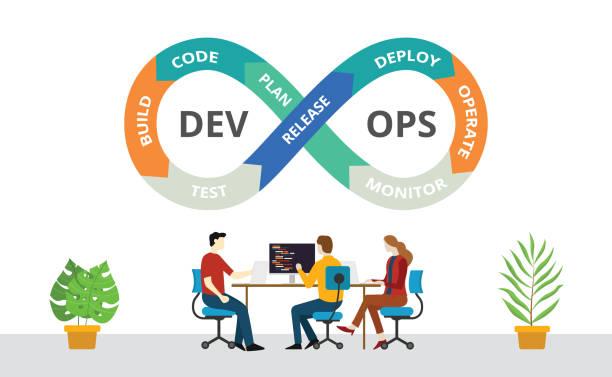
A DevOps Engineer in education technology (EdTech) bridges the gap between software advancement and IT operations. Their mission is to streamline and automate processes, foster a culture of collaboration, and ensure the reliability, security, and scalability of digital learning platforms, student facts systems, and administrative tools. Universities, colleges, and schools rely on DevOps professionals to keep their technology infrastructure robust and adaptable to evolving educational needs.
Key Responsibilities of a DevOps Engineer in educational Institutions
As a DevOps Engineer in an educational setting, your day-to-day activities may include:
- Automation: Building and maintaining CI/CD pipelines for educational applications.
- Infrastructure as Code (IaC): Deploying and managing cloud or on-premise servers using IaC tools.
- System Monitoring & Troubleshooting: Ensuring uptime and quick resolution of issues in learning management systems, grading platforms, and digital libraries.
- Security & Compliance: implementing institution-level security protocols,encryption,and compliance (such as FERPA or GDPR for user data).
- collaboration: Working closely with developers, IT staff, and instructional technologists to deploy new features or fix bugs.
- Continuous Improvement: Proactively optimizing processes and system performance to support seamless digital learning experiences.
- Disaster Recovery & Backups: Creating backup strategies for critical academic data and ensuring business continuity plans are in place.
Essential Skills for DevOps Engineers in EdTech
Excelling as a DevOps Engineer in education technology requires a blend of technical and soft skills:
Technical Skills
- proficiency in Scripting Languages: Bash, Python, or PowerShell.
- CI/CD Tools: Jenkins, GitLab CI, CircleCI, or similar systems.
- Containerization: Experience with Docker and orchestration platforms like Kubernetes.
- Cloud Platforms: Knowledge of AWS, Google Cloud, Microsoft Azure, or hybrid cloud environments prevalent in educational settings.
- Infrastructure as Code: Tools like Terraform, Ansible, or CloudFormation.
- Version control: Git or similar platforms for code and configurations.
- Monitoring & Logging: Using tools like Prometheus, Grafana, ELK Stack, or Splunk.
- Security Best Practices: Applying relevant security and compliance measures for educational data.
Soft Skills
- Problem-solving: innovative approaches to complex IT issues.
- Collaboration: Remarkable teamwork abilities, especially with non-technical staff or educators.
- Dialog: Explaining technical concepts to stakeholders with varying technical backgrounds.
- adaptability: Staying current with emerging EdTech trends and quickly responding to new institutional requirements.
- Attention to Detail: Ensuring system integrity and compliance with sensitive academic data regulations.
Benefits of Being a DevOps Engineer in Education Systems
This role offers unique opportunities tailored to the academic habitat:
- Impactful Work: Empower educators and students by ensuring seamless access to digital resources and learning tools.
- Stability: Academic institutions often offer a more stable work environment compared to the volatile private tech sector.
- Continuous Learning: Opportunities to engage with the latest in cloud, automation, and security while supporting the mission of education.
- Career Progression: Exposure to a broad set of technologies paves the way for leadership roles in IT or operations.
- Work-Life Balance: Many universities and schools offer flexible schedules,ample time off,and professional development incentives.
- Community Enrichment: Contribute to transforming the future of education through digital innovation and accessibility.
Typical Career Path for a DevOps Engineer in EdTech
Your journey as a DevOps professional in education can take several rewarding directions:
- Entry-Level IT/Developer Roles: Start as a system administrator, support analyst, or junior developer at a university or collage IT department.
- DevOps Engineer: Transition into dedicated DevOps positions overseeing CI/CD, infrastructure, and automation for educational platforms.
- Senior DevOps Engineer: Take ownership of major university-wide projects, mentor junior engineers, and influence technology strategy.
- DevOps or IT Manager: Move into leadership, managing teams and setting the technological direction for EdTech infrastructure.
- cloud Architect or Consultant: Specialize in designing and optimizing large-scale educational systems or consulting for multiple institutions.
- Director/CTO of educational Technology: Advance to top executive roles, shaping the digital transformation of the academic sector.
Practical Tips for Landing a DevOps Job in Education Systems
if you aspire to become a DevOps engineer at universities, colleges, or schools, here are actionable steps to boost your candidacy:
- Build a Strong Foundation: Gain solid experience in system administration, programming, or software development. Certifications like AWS Certified DevOps Engineer or Microsoft Certified: DevOps Engineer Expert can set you apart.
- Understand the edtech Landscape: Familiarize yourself with learning management systems (LMS), SISs, and compliance standards like FERPA and GDPR that are crucial in academic environments.
- Showcase Projects: Highlight personal or professional projects involving automation, CI/CD, cloud deployment, or securing academic software.
- Demonstrate Soft Skills: Spotlight your ability to communicate with educators, present technical training, or develop user-pleasant documentation.
- Network in Academia: Attend EdTech conferences, hackathons, or webinars to connect with professionals and stay abreast of job openings and trends.
- Customize Your Resume: Tailor your resume and cover letter for educational institutions. Emphasize experience with relevant technologies and your passion for supporting digital learning.
- Prepare for Interviews: Expect scenario-based questions on automation,troubleshooting,deploying educational applications,and prioritizing security/compliance in academic settings.
Trends and Future Outlook for DevOps in Education technology
With technology’s role in classrooms growing,the future for DevOps Engineers in education systems looks radiant. Key trends shaping the sector include:
- Cloud-frist Initiatives: More institutions are migrating to cloud-based platforms to support scalable, remote learning environments.
- AI and Data Analytics: Integrating AI tools and analytics to personalize learning and track student progress, requiring robust backend support.
- Cybersecurity Emphasis: As data breaches become more frequent, expertise in securing digital assets is increasingly critical.
- Microservices and Automation: Modular, automated solutions are improving system resilience and maintainability.
- Accessibility and Inclusivity: Digital transformation is opening new learning opportunities for all students, driving greater need for skilled DevOps professionals.
Conclusion: Your Path to a Rewarding DevOps Career in academia
Pursuing a career as a DevOps engineer in education technology offers the rare chance to blend technical prowess with a meaningful mission—enhancing the learning experience for students and educators. By focusing on essential DevOps skills, understanding the unique challenges and rewards of academia, and actively engaging with the educational technology sector, you’ll be well-positioned to thrive in this dynamic and impactful profession. Explore the opportunities, invest in continuous learning, and take your first step toward transforming education through technology.