
DevOps Engineer in Education Systems: Role, Skills, and Impact Explained
Are you passionate about technology and eager to make a meaningful impact in the educational sector? If you’re considering a career as a DevOps Engineer in education systems at universities, colleges, or schools, this extensive guide is for you. explore what the role involves, the core skills required, the benefits of working in EdTech, the career outlook, and practical tips for breaking into this dynamic field.
Introduction to DevOps in Education Technology
Education technology (EdTech) is transforming how institutions deliver learning experiences, manage academic resources, and enhance student engagement. Behind the seamless operation of these digital platforms are skilled professionals known as DevOps Engineers. As EdTech solutions evolve to demand higher reliability, scalability, and security, the role of the DevOps Engineer in education systems has become increasingly vital.
What is a DevOps Engineer in Education Systems?
A DevOps Engineer in the context of education technology is responsible for bridging the gap between development and IT operations. These professionals design, deploy, and maintain the infrastructure that powers academic applications, learning management systems (LMS), online assessment tools, and administrative platforms. Their work ensures that faculty, students, and administrators benefit from stable, efficient, and secure digital environments.
Primary Responsibilities
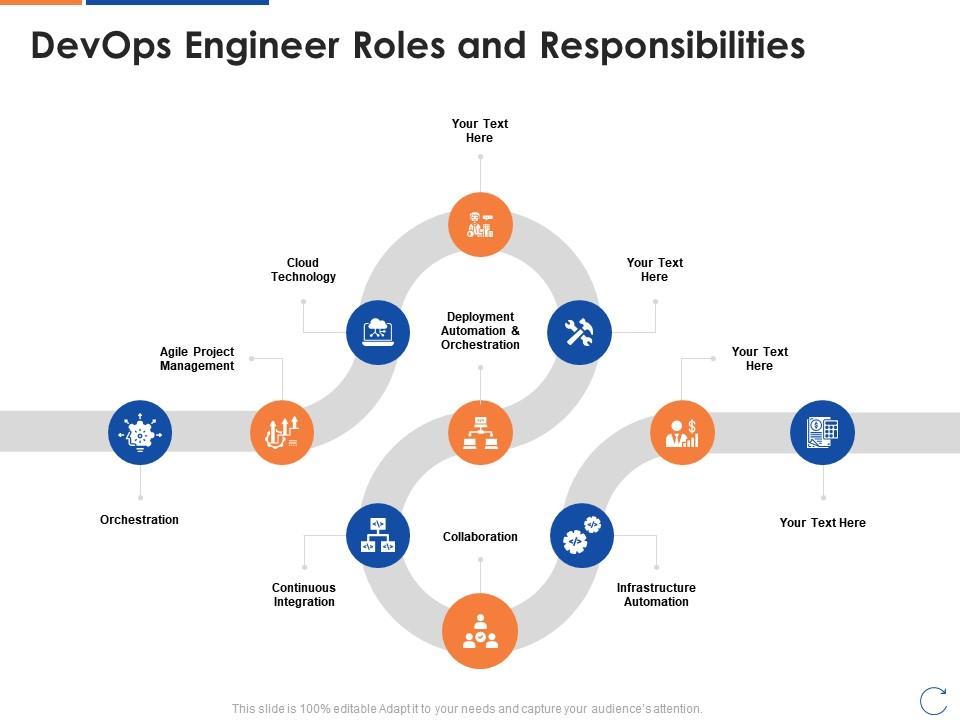
- Automation: Implementing CI/CD pipelines to automate software builds, testing, and deployments for education platforms.
- Cloud Infrastructure: Managing cloud-based or hybrid infrastructure (such as AWS, Azure, or Google Cloud) for scalable and resilient EdTech solutions.
- System Monitoring: Setting up monitoring tools to track system health, performance, and uptime for mission-critical education services.
- Security and Compliance: Enforcing strong security protocols to protect sensitive student and faculty data, while adhering to legal standards like FERPA and GDPR.
- Incident Response: Rapidly identifying and resolving outages, cyber threats, or system failures to minimize learning disruptions.
- Collaboration: Working closely with software developers, IT staff, and academic stakeholders to ensure smooth integration and operation of EdTech applications.
- Resource Optimization: Managing infrastructure costs and optimizing resource allocation for scalability and efficiency.
Essential Skills for a DevOps Engineer in Education Systems
To excel as a DevOps Engineer in universities, colleges, or schools, you need a robust combination of technical and soft skills. Here are the most sought-after competencies for this specialized EdTech role:
Technical Skills
- cloud Computing: Expertise in platforms like AWS,Azure,or Google cloud.
- Automation Tools: Proficiency with Ansible, Chef, Puppet, Jenkins, or similar.
- Containerization: Hands-on experience managing Docker and Kubernetes environments.
- Scripting: Knowledge of Python, Bash, or PowerShell for automating tasks.
- Infrastructure as Code (IaC): Familiarity with Terraform or CloudFormation for scalable infrastructure management.
- Version Control: Experience with Git and collaborative code management.
- Monitoring & Logging: Practical skills with tools like Nagios, Grafana, Prometheus, or ELK stack.
- Security best Practices: Understanding of encryption, access controls, firewalls, and regulatory compliance in education.
Soft Skills
- Collaboration: Bridging gaps between development, operations, and educational users.
- Problem-Solving: Quickly diagnosing and addressing issues in high-pressure academic environments.
- Dialog: Explaining technical concepts to non-technical staff and faculty.
- Adaptability: Keeping up with evolving educational technologies and pedagogical trends.
- Project Management: Efficiently handling simultaneous projects and tasks.
The Impact of DevOps Engineers in Educational Institutions
DevOps Engineers play a crucial role in modernizing campuses and transforming the way educational content is delivered and managed. Here’s how their work makes a measurable difference:
- Improved Learning Experience: High system uptime and seamless software updates ensure that students and faculty can access digital resources without interruption.
- Data Security: Implementation of robust security measures protects sensitive academic and personal facts.
- faster Innovation: streamlined development and deployment pipelines allow for quicker integration of new learning tools and features.
- Cost Efficiency: Optimized resource use leads to budget savings for schools and universities, which can be reallocated to other educational initiatives.
- Scalability: dynamic infrastructure enables institutions to handle spikes in user activity (such as during exams or enrollment periods) without performance degradation.
Benefits of a DevOps Engineer Career in EdTech
Pursuing a DevOps role within education offers numerous professional and personal rewards:
- Meaningful Work: Use your technical skills to directly improve teaching and learning experiences.
- Job Security: As digital conversion in education accelerates,demand for specialized DevOps professionals continues to grow.
- Cutting-Edge Technology: Exposure to the latest cloud, container, and automation technologies.
- Collaborative Habitat: Opportunity to work with diverse teams including educators, software engineers, and IT specialists.
- Continuous Learning: Frequent new challenges, educational advancements, and the need to stay up-to-date in a rapidly evolving field.
How to Get Started as a DevOps Engineer in Education Systems
If you’re interested in a devops career within educational systems, consider the following practical steps:
- Educational background: Most employers prefer a bachelor’s degree in computer science, information technology, or a related field.
- Certifications: Earning certifications like AWS Certified DevOps Engineer, Google Cloud Professional DevOps Engineer, or Certified Kubernetes Administrator can boost your credibility.
- Build a Portfolio: Showcase hands-on projects with automation scripts,cloud deployments,and containerized environments.
- Gain Relevant Experience: Seek internships or entry-level roles in IT operations or software development, ideally within educational organizations.
- Stay Current: Follow EdTech trends and keep learning new tools and technologies relevant to DevOps and education systems.
- Network: Engage with professional groups, attend EdTech conferences, or participate in virtual meetups focused on education technology and devops practices.
Tips for Excelling as a DevOps Engineer in EdTech
- Understand the Academic Calendar: Recognize periods of high activity (e.g., exams, admissions) to anticipate demand spikes and prepare infrastructure accordingly.
- Prioritize Security and Privacy: Always align your deployments and configurations with education-specific compliance needs.
- Communicate Clearly: Be able to explain technical issues and enhancements in ways that are accessible to non-technical educators and administrators.
- Automate Whenever Possible: Use scripts and pipelines to reduce manual workloads, minimize errors, and increase efficiency.
- Document Processes: Maintain thorough documentation so that teams can troubleshoot issues or onboard new staff efficiently.
- Adopt a Student-Centered Mindset: Remember that your ultimate mission is to support the learning journey of students and the teaching capabilities of faculty.
Career Outlook for DevOps Engineers in Education Technology
The future for DevOps Engineers in EdTech is luminous. With ongoing digitalization efforts across universities, colleges, and K-12 schools, the need for experts who can ensure reliable, scalable, and secure technology platforms is only growing.
- The increasing adoption of online courses, virtual classrooms, and data-driven learning environments generates robust demand for DevOps professionals.
- Institutions are investing heavily in modern cloud-based and hybrid systems,creating more opportunities for skilled engineers who can manage these complex infrastructures.
- EdTech startups and academic software vendors also hire DevOps Engineers,offering variety in potential career paths.
Conclusion
Becoming a DevOps Engineer in education systems offers a unique opportunity to blend advanced technical skills with a passion for educational innovation. Whether supporting a university’s learning management system or ensuring the smooth operation of cloud-hosted assessment tools, your expertise will shape the future of learning.If you’re motivated by meaningful work that empowers students and educators—and enjoy working with the latest technology—this is a career path with tremendous impact and excellent prospects.
Start building your skills, stay curious about evolving EdTech trends, and prepare to become a vital part of digital transformation in education.