
DevOps Engineer in Education Systems: Skills, roles, and career Pathways
Are you interested in blending technology with the mission of advancing learning experiences in schools, colleges, or universities? Working as a DevOps Engineer in education systems offers a unique possibility to support digital transformation in the academic sector.In this comprehensive guide, we’ll cover the crucial skills required, diverse roles available, typical responsibilities, and career pathways for aspiring DevOps Engineers in educational settings.Whether you’re a recent graduate, an IT professional, or someone passionate about edtech, this article will help you take the next step toward a rewarding career in education technology.
Why DevOps Roles are Vital in Education Technology
Education institutions are rapidly embracing digital tools—ranging from learning management systems and cloud-based resources to analytics and remote learning platforms. Behind these seamless experiences lies the expertise of DevOps Engineers.Their work ensures that systems are reliable,scalable,and secure to support both educators and students. As universities, colleges, and schools scale up their digital infrastructure, the demand for skilled DevOps professionals continues to grow, making it an excellent career option in edtech.
Role of a DevOps Engineer in School, College, and University Systems
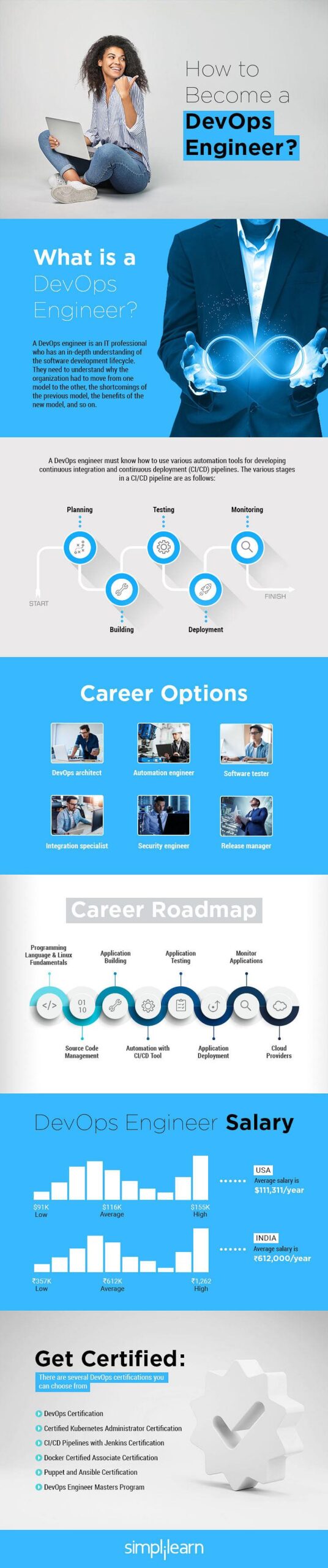
A DevOps Engineer in educational environments acts as a vital bridge between growth and operations teams, facilitating continuous integration and delivery (CI/CD) pipelines for educational software, managing infrastructure, ensuring security, and automating processes.
- Managing cloud-based educational platforms
- Automating deployment of student facts systems (SIS) and learning management systems (LMS)
- Ensuring compliance with data privacy regulations important for educational data
- Monitoring infrastructure for uptime and optimal performance, critical for remote and hybrid learning
- Collaborating with academic IT staff and software developers to tailor solutions to institutional needs
Essential DevOps engineer Skills for Education Technology
Landing a DevOps job in education systems requires a mix of technical and interpersonal skills. Here are the core competencies hiring managers in universities, colleges, and schools look for:
Technical Skills
- Cloud Platforms: Expertise with AWS, Microsoft Azure, Google Cloud tailored for educational deployments
- Infrastructure as Code (IaC): Familiarity with Terraform, Ansible, or similar tools
- CI/CD Pipelines: Experience setting up Jenkins, GitLab CI/CD, or similar automation tools
- Containerization & Orchestration: Working knowledge of Docker and Kubernetes for scalable education applications
- Programming/Scripting: Proficiency in Python, Bash, or PowerShell to automate tasks
- Monitoring & Logging: experience with Prometheus, Grafana, ELK stack to ensure system reliability
- Security Best Practices: Applying security updates, managing role-based access, and ensuring compliance with FERPA, GDPR, or HIPAA as applicable
- version Control: Mastery of Git and collaborative workflows
Soft Skills
- Collaboration: Working effectively with developers, IT admins, educators, and academic leaders
- Analytical Thinking: Troubleshooting issues and improving processes proactively
- Adaptability: Responding to emerging technologies and shifting academic requirements
- Communication: Explaining complex technical concepts to non-technical stakeholders within education settings
- Project Management: Handling concurrent projects with tight academic calendars
Daily Responsibilities of a DevOps Engineer in Education
While specific duties may vary by institution, most devops Engineers in education can expect to:
- Deploy and maintain learning management systems and their integrations (e.g., Moodle, Canvas, Blackboard)
- Automate backups and disaster recovery for critical educational data
- Monitor and optimize system performance, especially during peak periods such as exams/registration
- Implement security controls for student and staff data
- Develop scripts to streamline IT processes unique to education operations
- Respond to incidents and coordinate with IT security teams during breaches or outages
- Participate in planning for new academic technology initiatives
career Pathways for DevOps Engineers in Education Systems
There are multiple routes to becoming a DevOps Engineer in educational institutions, with ample scope for advancement:
- Entry-Level: IT Support, Junior System Administrator, or QA roles focused on edtech environments
- Mid-Level: DevOps Engineer, Systems Analyst, or Site Reliability Engineer working on large-scale academic deployments
- Senior-Level: Senior DevOps Engineer, DevOps Architect, or Head of Cloud Infrastructure for a university or school district
- Leadership: Director of IT, Edtech Strategy Manager, or CTO roles in the education sector
Some professionals also transition into consulting, helping multiple schools or universities modernize their educational technology stacks.
Benefits of Working as a DevOps Engineer in Education Technology
A career as a DevOps engineer in education is both technically stimulating and socially impactful. Here are some of the key benefits:
- Meaningful work: Contribute to solutions that directly support teaching and improve student outcomes
- Job Stability: High demand for digital transformation in education ensures consistent opportunities
- Professional Growth: Exposure to a mix of on-premises and cloud environments, including unique edtech tools
- Collaborative Culture: Work alongside passionate educators and technologists
- Work-Life Balance: Many educational institutions offer flexible schedules and generous leave policies
Practical Tips for Landing a devops Job in Education
Ready to pursue a DevOps career in a school or university? Here’s how you can stand out in your job search:
- Build a Portfolio: Showcase automation scripts, infrastructure-as-code samples, or contributions to an open-source LMS project
- Highlight Education Experience: Any experience supporting academic systems (even as a student assistant) strengthens your submission
- Certifications: Consider AWS Certified DevOps Engineer, Azure DevOps, or CompTIA certifications focused on cloud and security
- Network: Join edtech forums, attend academic technology conferences, or participate in local educational IT groups
- Showcase Soft Skills: emphasize your adaptability and ability to communicate technical information to non-technical users
- Stay Updated: Follow trends in remote learning, digital classrooms, and academic cloud adoption to enhance your relevance
FAQs about DevOps Engineer Careers in Education Systems
- Do universities and colleges require specific edtech experience for DevOps jobs? While direct experience is valuable, strong general DevOps skills with a willingness to learn educational technologies are often sufficient.
- Are these roles mostly remote or on-site? Many institutions offer hybrid or remote options, especially as the growth of online learning.
- What is the typical salary range? Salaries vary widely, but generally range from $70,000 for entry-level positions to over $130,000 for senior or specialized roles, depending on institution size and location.
Conclusion: Your Future as a DevOps Engineer in Education Systems
Becoming a DevOps Engineer in education systems is an exciting and rewarding career move. You’ll empower universities, colleges, and schools to deliver high-quality, technology-driven learning experiences. With the right skills, passion for innovation, and commitment to education’s mission, you can look forward to a dynamic career with plenty of growth opportunities. Start building your technical expertise, engage with the edtech community, and prepare to make a meaningful impact in the world of academic technology.